How to Choose the Best Hepa Air Filter for Your Home?
Choosing the right Hepa Air Filter is crucial for maintaining a healthy home environment. These filters trap airborne particles, ensuring cleaner air. With so many options available, differentiating among them can be challenging.
It's essential to consider specific factors like filter efficiency and room size. Not all HEPA filters are created equal. Some claim to be HEPA, but only a true HEPA Air Filter meets the strict industry standards. Look for certifications to ensure reliability.
Many consumers may overlook maintenance needs as well. Regularly changing your Hepa Air Filter is vital for optimal performance. A dirty filter can cause the system to work harder, leading to inefficiency. Understanding these aspects will guide you in selecting a filter that provides genuine value and contributes to your family's health.
Understanding the Basics of HEPA Air Filters
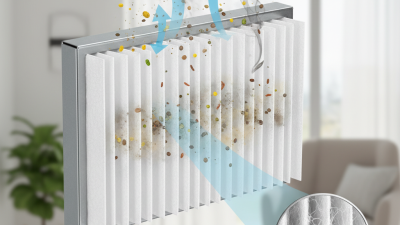
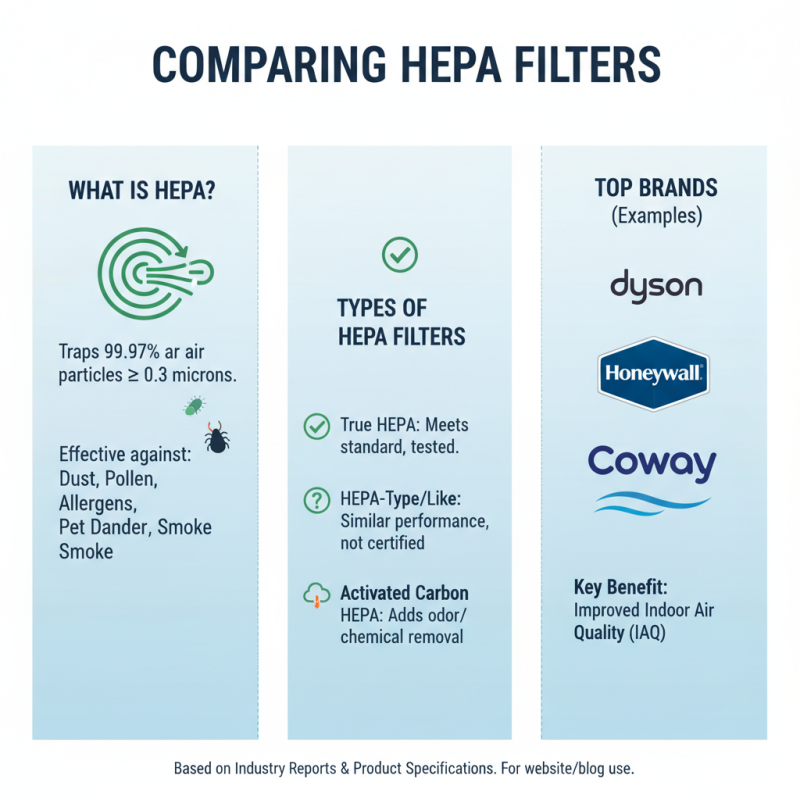
When selecting a HEPA air filter for your home, it's essential to understand its fundamental features. HEPA, or High-Efficiency Particulate Air, filters are designed to trap at least 99.97% of particles that are 0.3 microns in size. This includes dust, pollen, pet dander, and mold spores. Their efficiency makes them ideal for households with allergies or respiratory issues.
Tip: Always check the specifications before purchasing. Look for true HEPA ratings to ensure optimal performance. Not all filters labeled "HEPA" meet the strict standards.
HEPA filters also vary in their lifespan and maintenance requirements. Some filters are washable, while others need replacing regularly. Neglecting maintenance can lead to decreased air quality. For optimal performance, consider changing your filter every three to six months.
Tip: Set a reminder to check your filter status. A clogged filter not only reduces efficiency but can also strain your HVAC system, leading to costly repairs.
Finally, keep in mind that while HEPA filters are effective, they might not address gases and odors. Supplementing air filtration with activated carbon filters can offer broader protection. Assess your home’s specific needs to choose the best combination.
Identifying Your Home's Air Quality Needs
When choosing a HEPA air filter, understanding your home's air quality needs is crucial. Many experts recommend testing indoor air quality. Studies indicate that indoor air can be significantly more polluted than outdoor air. A report by the Environmental Protection Agency (EPA) shows that common indoor pollutants include dust, pet dander, and mold spores. These can lead to health issues over time.
Consider the size and type of your living space. Larger areas require more powerful filters. A study published in the Journal of Clean Air shows that homes with pets need filters capable of trapping finer particles. Dust and allergens can linger in the air, leading to discomfort and health risks. Filters with a Minimum Efficiency Reporting Value (MERV) rating between 11 and 13 are often recommended for better filtration.
Take into account specific concerns such as allergies or respiratory issues. It’s important to choose a filter that matches your needs. Those with severe allergies may benefit from additional purifying technologies, such as UV light or activated carbon. It’s worth noting that despite higher efficiency, some filters may restrict airflow. This could lead to added strain on your HVAC system, resulting in increased energy consumption and potential repairs over time.
How to Choose the Best Hepa Air Filter for Your Home?
This chart illustrates the average effectiveness of different types of air pollutants that HEPA air filters can capture, helping you identify your home's air quality needs.
Factors to Consider When Choosing a HEPA Filter
When selecting a HEPA air filter, there are several important factors to consider. A primary concern is the filter's efficiency. True HEPA filters must capture at least 99.97% of particles that are 0.3 microns in size. This includes allergens like dust mites, pet dander, and pollen, which are prevalent in many households. Research indicates that air quality can drastically improve with high-quality filters, reducing asthma and allergy symptoms by up to 40%, according to the Asthma and Allergy Foundation of America.
Another critical aspect is the size and compatibility of the filter with your HVAC system. Filters come in various sizes, so it's essential to measure your unit accurately. An ill-fitting filter can lead to air leakage and decreased efficiency. Additionally, consider the MERV rating, which measures a filter's ability to capture particles. A MERV rating of 13 or higher is often recommended for residential spaces to ensure optimal air purification.
Lastly, maintenance plays a key role. Regularly changing filters can enhance their performance and longevity. Studies reveal that filters should typically be replaced every three months, especially in homes with pets or smokers. Aging filters can harbor bacteria and mold, which could compromise your air quality. Each of these factors can impact the air you breathe significantly, making informed choices crucial for a healthier home environment.
Comparing Types and Brands of HEPA Filters
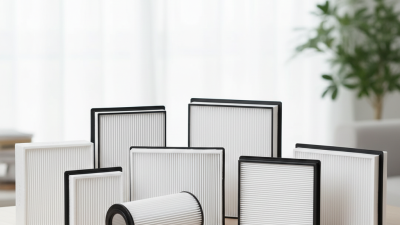
Choosing the right HEPA air filter involves understanding different types and brands. HEPA filters are known for trapping 99.97% of particles that are 0.3 microns or larger. This makes them effective against dust, pollen, and other allergens. According to industry reports, a good filter can significantly improve indoor air quality.
When comparing filters, look at their efficiency ratings and airflow resistance. Some filters have a MERV (Minimum Efficiency Reporting Value) rating of 13 or higher. This indicates they can capture small particles effectively. However, higher MERV ratings can restrict airflow, which may decrease HVAC system efficiency.
Tips: Choose filters suited to your HVAC system's specifications. Regularly replacing filters every three months maximizes performance. Remember, not all filters are created equal. Cheaper filters may not last as long or provide the same level of filtration.
Research shows that while high-quality filters are essential, they can vary in price and durability. The average lifespan of a HEPA filter is around 12 months, but this can depend on usage. Some users find their filters get clogged quickly in dusty environments. Be cautious about assuming all filters are the same; doing your homework pays off.
Installation and Maintenance Tips for HEPA Filters
When installing a HEPA air filter, proper placement is crucial. Choose a location with good airflow. Ideally, it should be in a central area of your home. Avoid corners or spots blocked by furniture. You want maximum efficiency for capturing airborne particles. It’s wise to regularly check the filter's positioning.
Maintenance is just as important. Regularly inspect the filter for dirt and dust buildup. A clogged filter won't work effectively. Depending on usage, replace the filter every six months to a year. Keep a schedule to remind yourself when it’s time for a change. This ensures air quality remains high in your home.
Cleaning the housing can help too. Use a damp cloth to wipe it down monthly. Dust can accumulate in the unit, affecting performance. If you notice changes in air quality or a funny smell, check your filter sooner. Being proactive can save you from more significant headaches later.