Why is Hepa Filter Essential for Clean Air Quality?
Clean air quality is vital for health and well-being. One key player in maintaining this quality is the HEPA filter. According to the Environmental Protection Agency (EPA), indoor air can be up to five times more polluted than outside air. This is alarming, especially considering that people spend about 90% of their time indoors. The HEPA filter effectively traps dust, allergens, and even some bacteria, ensuring the air we breathe is cleaner.
Dr. Emily Johnson, a leading expert in air filtration, emphasizes this importance: "HEPA filters are not just accessories; they are necessities for health-focused environments." This highlights the role HEPA filters play in various settings, including homes, offices, and hospitals. The World Health Organization reports that 4.3 million deaths occur annually due to indoor air pollution. Utilizing HEPA filters can significantly reduce these risks, proving their necessity.
While HEPA filters are effective, they are not a panacea. They require regular maintenance and replacement. Many users underestimate this responsibility, leading to reduced efficiency. To truly benefit from a HEPA filter, one must commit to proper upkeep. This ongoing investment in air quality helps ensure a healthier living space for everyone.
The Role of HEPA Filters in Air Quality Management
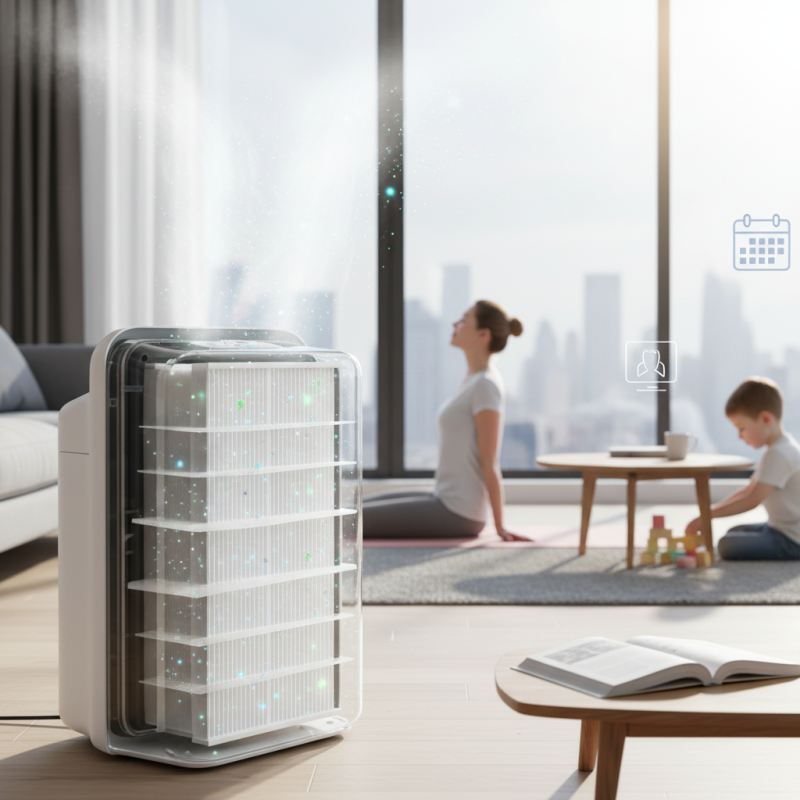
HEPA filters play a crucial role in air quality management. They are designed to trap small particles, including dust, pollen, and smoke. This capability is vital for maintaining clean indoor air. Many people underestimate the impact of air quality on health. Poor air can lead to respiratory issues and allergies. Often, we do not realize how pollutants affect our daily lives.
In homes and offices, HEPA filters can significantly reduce airborne contaminants. They capture at least 99.97% of particles down to 0.3 microns. Yet, many fail to replace them regularly. A dirty filter can release trapped pollutants back into the air. This is a common oversight. Regular maintenance is essential for their effectiveness and reliability.
Moreover, using HEPA filters alone is not enough. It is important to combine them with other air quality measures. Proper ventilation, humidity control, and regular cleaning all contribute to a healthier environment. Many assume one solution will suffice. However, a comprehensive approach is necessary for optimal air quality management. Understanding this complexity can lead us to better health outcomes.
Understanding the Mechanism of HEPA Filters in Pollution Reduction
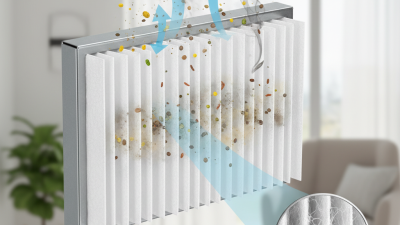
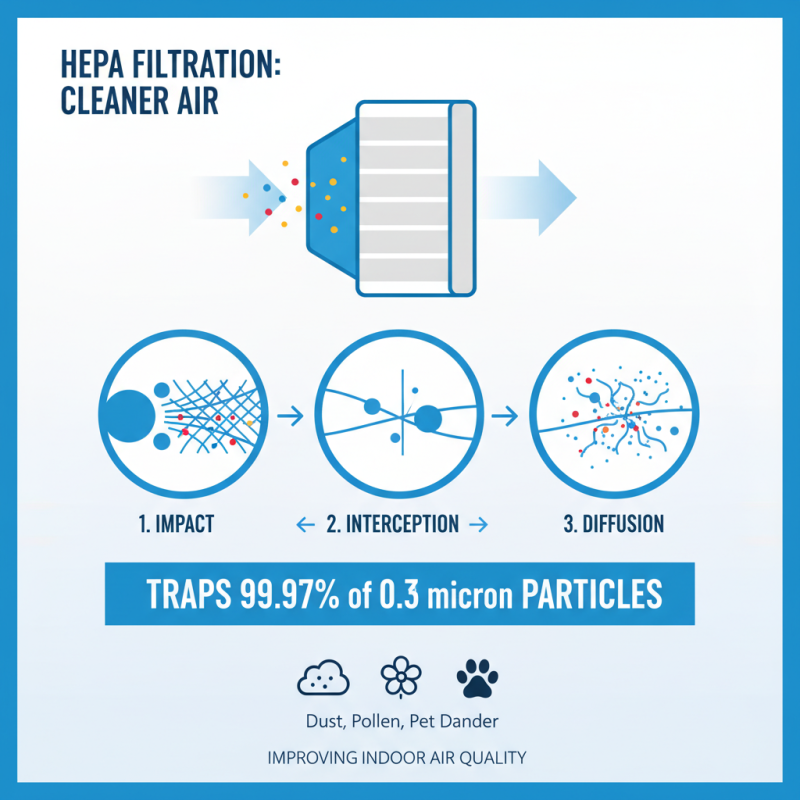
HEPA filters play a crucial role in maintaining air quality. Their design enables them to capture airborne particles effectively. These filters can trap dust, pollen, and pet dander, making indoor environments healthier. A HEPA filter must retain at least 99.97% of particles that are 0.3 microns in diameter. This size range includes many common allergens.
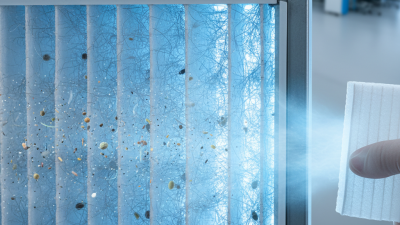
Understanding the mechanism of HEPA filters reveals their importance in pollution reduction. The filters operate using a combination of interception, impaction, and diffusion. Particles are forced through the densely packed fibers, which create a barrier. Smaller particles get caught in the mesh while larger ones collide with fibers and stick to them. This process ensures cleaner air circulation in homes and offices.
However, HEPA filters are not foolproof. They cannot capture gases or odors effectively. This limitation can lead to misconceptions about their overall air quality benefits. Regular maintenance is crucial too. Filters must be changed periodically to maintain efficiency. Neglecting this can hinder performance and reduce air quality instead.
Statistics on Particulate Matter and the Effectiveness of HEPA Filters
Particulate matter (PM) poses a serious threat to air quality. Research indicates that PM can penetrate deep into the respiratory system. Tiny particles, less than 2.5 micrometers in diameter, are particularly harmful. These particulates originate from various sources, including vehicles, industries, and wildfires. The fine nature of PM allows it to linger in the air, affecting health long after being emitted.
HEPA filters have proven effective against this pollution. They capture at least 99.97% of particles of 0.3 micrometers. This efficiency is crucial in indoor settings where air quality often suffers. Studies show that using HEPA filters can significantly reduce airborne contaminants. In homes with these filters, residents report fewer respiratory issues. Data reveals that indoor air pollution can be two to five times higher than outdoor levels. Implementing HEPA filtration can bring a noticeable improvement in air safety.
However, not all air purifiers are created equal. Misleading marketing can lead consumers to choose ineffective solutions. Regular maintenance of HEPA filters is essential for optimal performance. Filters should be changed as recommended to avoid reduced efficiency. It’s important to remain informed and critically evaluate air purification options.
Comparative Analysis of Air Filter Types: HEPA vs. Non-HEPA
When it comes to air quality, understanding different filter types is crucial. HEPA filters are celebrated for their efficiency in capturing tiny particles. They can filter out at least 99.97% of airborne particles as small as 0.3 microns. This includes dust, pollen, and pet dander. In contrast, non-HEPA filters often lack this precision. Many standard filters may only capture larger particles. This limitation can lead to poor air quality in homes and workplaces.
Non-HEPA filters are generally cheaper, but the long-term effects on health may outweigh the initial savings. They might allow the passage of allergens and pollutants, which can irritate respiratory systems. On the other hand, HEPA filters excel in environments requiring cleaner air. In hospitals or laboratories, they are often mandated due to their proven effectiveness.
However, it's worth reflecting on the maintenance of these filters. HEPA filters also have a lifespan. Without proper care or replacement, their efficiency can drop. The accumulation of dust and other particles can hinder airflow, ultimately reducing their effectiveness. Balancing cost, efficiency, and maintenance is important when choosing an air filter. Choosing the right option involves careful consideration of individual needs and environments.
Why is Hepa Filter Essential for Clean Air Quality? - Comparative Analysis of Air Filter Types: HEPA vs. Non-HEPA
| Filter Type |
Particle Removal Efficiency (%) |
Common Uses |
Lifespan (Months) |
Cost ($) |
| HEPA Filter |
99.97% |
Allergy Relief, Medical Facilities |
6-12 |
30-200 |
| Activated Carbon Filter |
Variable (mostly Gases) |
Odor Removal, VOC Control |
3-6 |
20-100 |
| Fiberglass Filter |
5-20% |
Basic Home Filtration |
1-3 |
5-30 |
| Electrostatic Filter |
80-95% |
Home and Commercial Use |
6-12 |
15-50 |
| Non-Woven Filter |
30-60% |
Residential HVAC Systems |
3-9 |
10-40 |
Health Benefits Associated with Enhanced Air Quality through HEPA Filters
HEPA filters play a crucial role in improving indoor air quality. They capture tiny particles, including dust, pollen, and pet dander. This filtration is essential for people with allergies. When air quality improves, so does overall health.
Breathing cleaner air reduces respiratory issues. Asthma attacks may become less frequent. People often report feeling more energized. Enhanced air quality can also promote better sleep. Good sleep is vital for physical and mental health. This isn’t just a theory; studies support these claims.
While HEPA filters are effective, they require regular maintenance. Improper upkeep can hinder their performance. Many assume that air quality will always be good after installation. However, that’s not the case. Periodic filter replacement is necessary. Users must remain proactive to ensure the benefits. Awareness and commitment are key to achieving lasting results.