Why Choose Ceiling Air Filters for Your Space Needs?
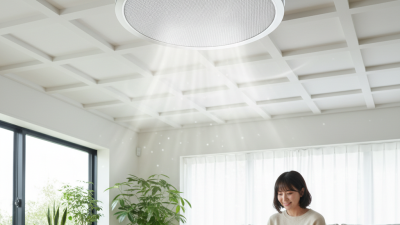
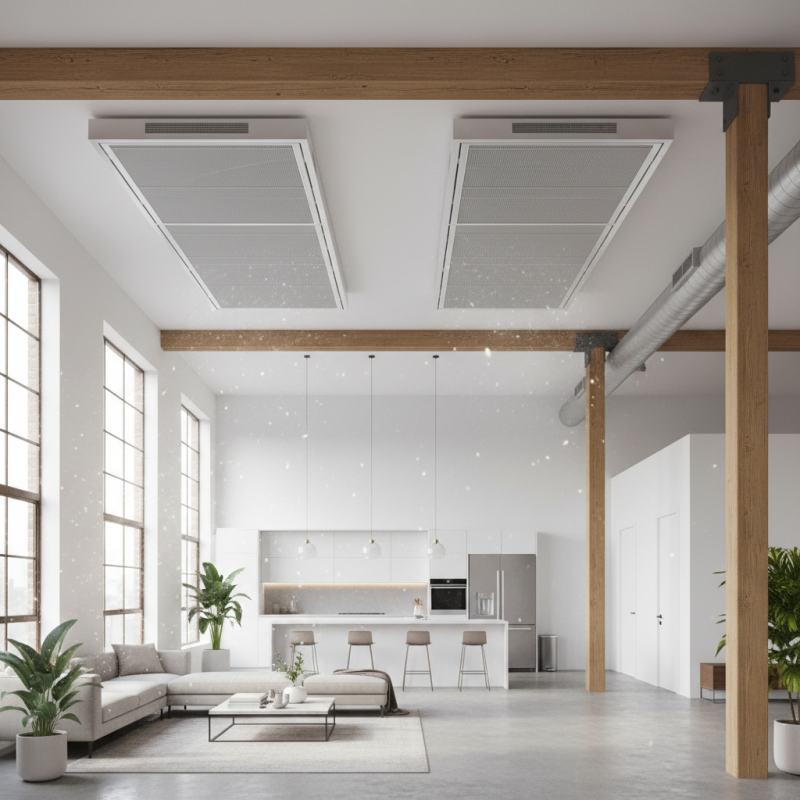
In contemporary spaces, air quality plays a crucial role in comfort and health. A good solution for enhancing indoor air is the Ceiling Air Filter. This innovative product is specifically designed for high ceilings, providing effective filtration without occupying valuable floor space.
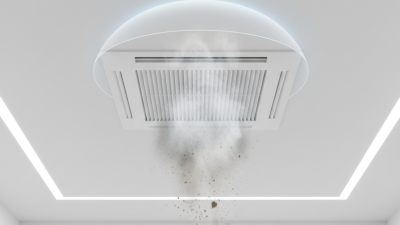
Investing in a Ceiling Air Filter can reduce dust and allergens significantly. Many users report improved air quality after installation. The filter works silently, ensuring a pleasant environment. However, it is essential to choose a filter that fits your specific needs. The market offers various options, each with differing efficiencies and costs.
Reflecting on your choice is wise. Not every Ceiling Air Filter is perfect for every setting. Some may find maintenance challenging, while others experience installation difficulties. We advocate for thorough research and consultation with experts. This ensures you select a reliable option that meets your unique space requirements. Quality air should never be an afterthought.
Benefits of Using Ceiling Air Filters in Various Spaces
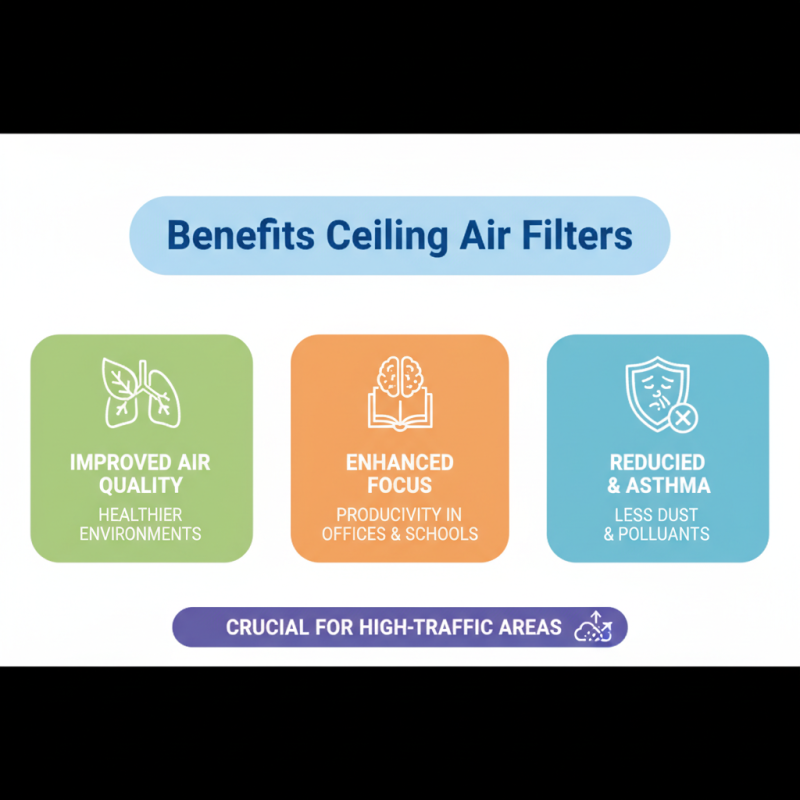
Ceiling air filters offer numerous benefits for various spaces. They improve air quality, making environments healthier. In offices and schools, clean air enhances focus and productivity. Fewer airborne particles can reduce allergies or asthma symptoms. This is especially crucial in high-traffic areas where dust and pollutants accumulate quickly.
Moreover, these filters are discreet. Installed on ceilings, they save wall and floor space. This is ideal for commercial environments like restaurants or shops. Customers may not notice them, but will appreciate the fresh air. The convenience of ceiling installation also means less maintenance disruption.
However, there are challenges. Some users may forget to replace filters regularly. This can lead to reduced efficiency. Additionally, if not properly sized, these filters might not perform as expected. Understanding these dynamics is vital. The ultimate goal is a balance between aesthetics and function in any given space.
Types of Ceiling Air Filters Available for Different Needs
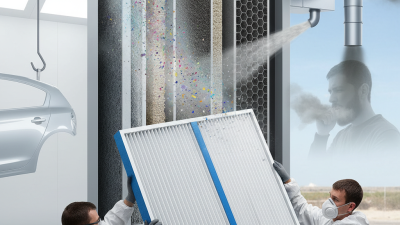
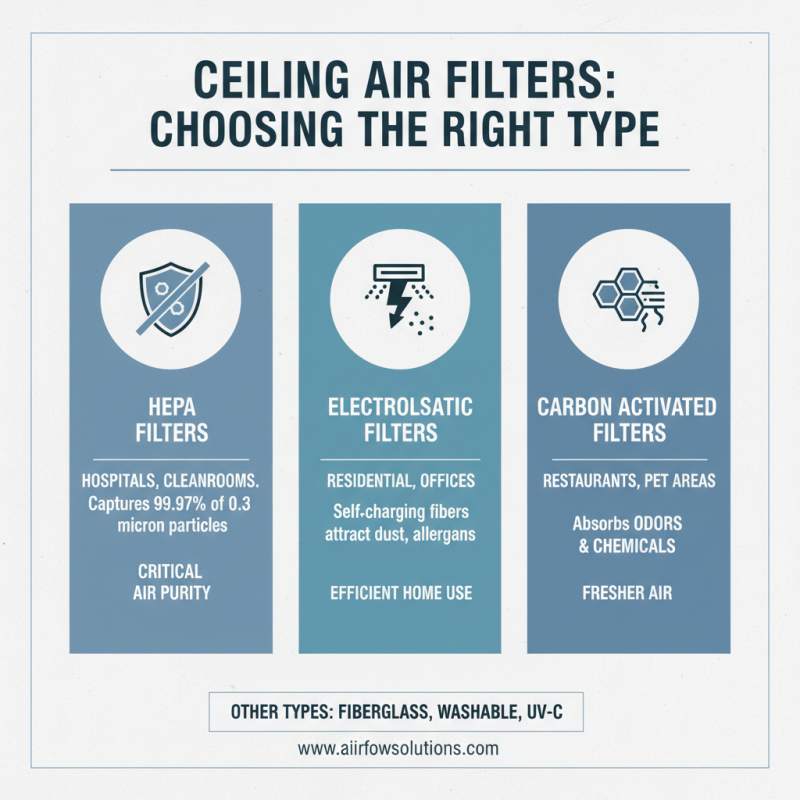
Ceiling air filters come in various types to meet specific needs. These filters cater to different environments, such as residential, commercial, and industrial settings. HEPA filters are popular for their ability to capture 99.97% of particles as small as 0.3 microns. This makes them ideal for hospitals, where clean air is crucial for patient safety. In contrast, electrostatic filters use self-charging fibers to attract dust and allergens, making them efficient for general home use.
Tip: Regular maintenance of ceiling filters can significantly improve air quality. Change filters every three months for optimal performance.
Another option is UV-light filters, which combine air filtration with ultraviolet light to eliminate bacteria and viruses. A 2021 report from the Environmental Protection Agency indicates that indoor air can be up to five times more polluted than outdoor air. This highlights the importance of choosing the right air filter for your space. Keep in mind that oversizing or undersizing filters can hinder their effectiveness and potentially cause airflow issues.
Tip: Consult with an HVAC professional to determine the best filter size for your space.
Different spaces have unique air quality needs. Assessing these needs ensures a safer and healthier environment. Investing in ceiling air filters can create a noticeable difference in air quality.
Installation Considerations for Ceiling Air Filters
When considering ceiling air filters, installation plays a crucial role. These filters are often mounted in ceilings to maximize airflow and minimal obstruction. Proper placement ensures that pollutants are captured effectively. Research indicates that air quality can improve by over 30% with appropriate ceiling filter systems. Yet, incorrect installation can negate these benefits.
One significant consideration is the ceiling height. High ceilings may require specialized mounting brackets. Studies show that for every inch below optimal height, airflow efficiency can drop by 10%. This can lead to uneven air distribution. Additionally, having limited access for maintenance increases the likelihood of filter neglect, which can diminish air quality over time.
Consideration of ductwork is critical too. Ceiling filters often rely on existing duct systems for optimal performance. A detailed inspection of ductwork ensures compatibility and efficiency. Proper sealing and alignment can further lower energy costs by 15%, according to HVAC industry reports. Awareness of these factors helps prevent common installation errors. Reflecting on past projects reveals the importance of thorough planning and the potential consequences of oversight in filter placement.
Why Choose Ceiling Air Filters for Your Space Needs? - Installation Considerations for Ceiling Air Filters
| Feature |
Description |
Benefits |
Considerations |
| Space Efficiency |
Installed on the ceiling, utilizing vertical space. |
Maximizes floor space and reduces clutter. |
Ensure ceiling structure can support installation. |
| Air Quality Improvement |
Filters airborne particulates effectively. |
Enhances indoor air quality for occupants. |
Regular filter replacement is necessary. |
| Aesthetic Integration |
Can blend with ceiling designs. |
Maintains visual appeal of the space. |
Choose designs that suit the environment. |
| Easy Maintenance |
Access for cleaning and filter changes. |
Simplifies upkeep of air quality systems. |
Plan maintenance schedules accordingly. |
| Cost-Effectiveness |
Potentially lower installation costs compared to HVAC systems. |
Saves money on both installation and energy. |
Balance upfront costs with long-term savings. |
Maintenance Tips for Optimal Performance of Ceiling Air Filters
Ceiling air filters play a crucial role in maintaining
indoor air quality. Regular maintenance is essential for optimal performance. According to the
Environmental Protection Agency (EPA), indoor air can be up to
five times more polluted than outdoor air. Therefore, ensuring your ceiling air filters are in top shape
is vital.
Clean the filters every month to prevent dust buildup.
This simple task can significantly improve air circulation. A study by the
American Society of Heating, Refrigerating, and Air-Conditioning Engineers (ASHRAE)
indicates that replacing filters as recommended can lead to a
15% increase in energy efficiency. It’s crucial to follow the manufacturer’s guidelines to avoid
potential issues.
Additionally, check for any signs of damage. A torn or cracked filter can allow contaminants to enter your space.
Remember, maintaining these filters is not just about compliance; it’s
about building a healthier environment. Regular checks
promote confidence in the air quality around you, enhancing comfort and productivity.
Comparative Analysis: Ceiling Air Filters vs. Traditional Air Filters
When evaluating ceiling air filters against traditional models, several factors emerge. Ceiling air filters are designed to optimize air circulation in larger spaces. They tend to cover a wider area, providing more consistent air quality. For settings like offices or public spaces, this can lead to a reduced concentration of allergens and pollutants. The American Society of Heating, Refrigerating and Air-Conditioning Engineers states that proper air filtration can reduce airborne contaminants by over 90%.
Traditional air filters, often mounted in units closer to the ground, might not achieve the same level of coverage. Their localized approach can lead to uneven air quality. Studies show that in spaces with poor air circulation, people face increased respiratory issues. A recent report from the Environmental Protection Agency indicated that poor air filtration can contribute to a 50% increase in allergy symptoms over time.
Moreover, ceiling filters can often be easier to maintain. Regular cleaning is crucial for all air filters, yet traditional units can become clogged more quickly in high-traffic areas. This may lead to inefficiencies and higher energy costs. Acknowledging these factors can guide decisions on air filtration systems, emphasizing the importance of choosing the right solution based on specific space requirements.