How to Choose the Best Hepa Air Filter for Your Home?
Choosing the right HEPA air filter for your home is crucial for maintaining indoor air quality. Dr. Emily Hargrove, an expert in air purification, emphasizes, “A good HEPA air filter can reduce allergens by up to 99%.” With allergies and respiratory issues on the rise, selecting an effective filter is essential.
Many factors influence the effectiveness of HEPA air filters. Not all filters are created equal. Some may advertise high efficiency but lack reliable testing. It's vital to look for genuine HEPA ratings and manufacturer credibility. Filtering capabilities can vary significantly, impacting your home environment.
Consider the size of your space and the specific pollutants you want to combat. If you overlook the filter's specifications, you may waste time and money. With thoughtful research, you can find a filter that meets your needs while enhancing your home’s air quality. High-quality HEPA air filters can make a difference, but the decision must be informed.
Understanding HEPA Filters: What They Are and How They Work
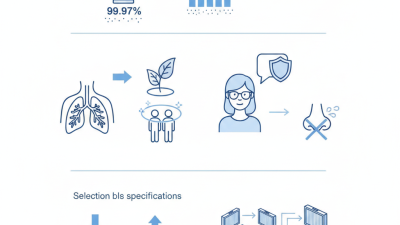
HEPA filters, or High-Efficiency Particulate Air filters, are vital for improving indoor air quality. They can trap 99.97% of particles that are 0.3 microns or larger. This includes dust, pollen, mold spores, and pet dander. Understanding how these filters work helps in choosing the right one for your home.
These filters use a dense web of fibers to capture harmful particles. When air flows through, larger particles get stuck in the fibers. Smaller particles adhere due to a combination of various forces. However, not all HEPA filters are created equal. Some may have lower efficiency ratings or may not meet true HEPA standards. It's essential to check certifications and test results to ensure reliability.
Air filters also need regular maintenance. A clogged filter can lead to reduced airflow and lower efficiency. Consider your home environment. If you have pets or allergies, you might need to replace the filter more often.
Choosing the best HEPA filter requires weighing these factors, making it a task that involves more than just a quick purchase.
Key Factors to Consider When Choosing a HEPA Air Filter
Choosing the right HEPA air filter for your home can be challenging. Start by examining the filter's efficiency rating. True HEPA filters capture 99.97% of particles as small as 0.3 microns. This high level of filtration is essential for those with allergies or respiratory issues. Make sure the filter meets the HEPA standards set by organizations like the EPA.
Consider the filter's size and compatibility with your home system. Not all filters fit every unit. Measure your air filter slot properly before purchasing. Additionally, check the filter's airflow rate. If it restricts airflow too much, it can reduce the effectiveness of your HVAC system. Some filters might struggle under high demand, leading to increased energy costs and reduced indoor air quality.
Finally, evaluate the filter's lifespan. Some filters last longer than others, but replacing them is crucial for maintaining clean air. Regular maintenance is key to ensuring the filter works efficiently. Don't overlook the importance of proper installation, which can impact overall performance. Be mindful of the balance between cost and efficiency; sometimes, a higher initial investment can lead to better long-term outcomes.
Types of HEPA Air Filters Available for Home Use
Choosing the right HEPA air filter for your home involves understanding the types available. HEPA filters come in several variations. Each type has distinct features and benefits.
The most common type is the True HEPA filter. It captures at least 99.97% of particles measuring 0.3 microns. This includes dust, pollen, and pet dander. According to the Environmental Protection Agency (EPA), using these filters can significantly improve indoor air quality. They can reduce allergens, which benefit those with asthma or allergies.
Another option is the HEPA-type filter. While it also claims high efficiency, it might not meet the same rigorous standards. These filters capture fewer particles, potentially allowing some allergens to pass through. Consumers often confuse True HEPA and HEPA-type filters. Thus, it’s essential to check the specifications carefully. Meeting industry standards creates confidence in air quality.
Some units combine HEPA filters with activated carbon filters. This combination targets both particulates and odors. Many users appreciate this added feature, especially in kitchens. However, the combination may lead to increased maintenance needs. Filters can become saturated quickly, especially in areas with high air pollution. Regularly checking conditions is necessary for optimal use.
Home HEPA Air Filters Comparison
This chart compares various types of HEPA air filters available for home use, highlighting their average efficiency in filtering airborne particles. True HEPA filters provide the highest efficiency, followed by HEPA Type, HEPA H13, and Ultra HEPA filters, showcasing the importance of selecting the right filter for optimal air quality in your home.
Evaluating Filter Efficiency and Performance Ratings
When selecting a HEPA air filter, understanding its efficiency and performance ratings is crucial. High-efficiency particulate air (HEPA) filters are designed to capture at least 99.97% of particles that are 0.3 micrometers in diameter. These filters are effective against allergens, dust, and smoke. According to the American Society of Heating, Refrigerating and Air-Conditioning Engineers (ASHRAE), HEPA filters are rated based on their Minimum Efficiency Reporting Value (MERV). A MERV rating of 13 to 16 typically indicates good performance for residential systems.
Tips: Check the MERV rating before choosing a filter. Filters with higher ratings trap smaller particles better. However, they may restrict airflow more than lower-rated filters. This could lead to strain on your HVAC system.
Consider the Air Changes Per Hour (ACH). This metric assesses how often the air in your home is replaced. Ideally, your system should provide 4 to 6 ACH for optimal indoor air quality. Yet, many homes do not meet this level. Ensure your chosen filter fits well with your system to maintain efficiency. Remember, sometimes a higher-rated filter can create undue pressure on older systems, leading to inefficiencies.
Maintenance Tips for Extending the Life of Your HEPA Filter
Maintaining your HEPA filter is crucial for effective air purification. Regular cleaning is one of the simplest ways to extend its life. Vacuum the pre-filter regularly to remove dust and allergens. This can increase airflow and improve efficiency. It's important, however, to avoid using water or detergents, which can damage the filter material.
Changing your HEPA filter on time is essential. Many people forget this step. Ignoring it can lead to decreased performance. Set a reminder to check the filter every few months. If you notice a decline in air quality or increased dust accumulation, it may be time for a replacement.
Storing your HEPA filter correctly also has an impact. Keep it in a cool, dry place. Avoid exposure to high humidity or direct sunlight. These conditions can degrade the filter’s efficiency. Sometimes, we overlook these details in our busy lives. Regular checks and proper care can lead to a healthier home environment.
How to Choose the Best Hepa Air Filter for Your Home? - Maintenance Tips for Extending the Life of Your HEPA Filter
| Filter Type |
MERV Rating |
Filter Lifespan |
Maintenance Tips |
| HEPA Filter |
13-16 |
1-3 years |
Replace every 6-12 months; avoid direct sunlight. |
| Activated Carbon Filter |
11-13 |
6-12 months |
Replace every 6 months; store in a cool place. |
| Pre-Filter |
8-10 |
3-6 months |
Wash or vacuum regularly to prolong life. |
| UV Filter |
N/A |
12-24 months |
Replace bulbs as needed; keep the unit clean. |