How to Choose the Best Industrial Paint Booth Filters?
Choosing the right Industrial Paint Booth Filters can significantly impact your operation. These filters play a crucial role in maintaining air quality and product finish. Selecting the best filters requires understanding your specific needs and the options available.
Numerous types of Industrial Paint Booth Filters exist, each with unique benefits and challenges. For instance, some filters offer high efficiency but may be more costly. Others may save money upfront but lead to increased downtime due to clogs. It's essential to weigh these factors carefully.
Research is vital in this selection process. Many operators underestimate the importance of proper filtration. Poor choices can result in defects and regulatory issues. Engaging with trusted suppliers and learning from their expertise can provide valuable insights. Ultimately, the right Industrial Paint Booth Filters contribute to a smoother workflow and a more efficient operation. Reflecting on past experiences can inform better decisions today.
Understanding the Purpose of Industrial Paint Booth Filters
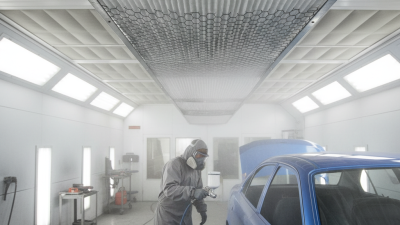
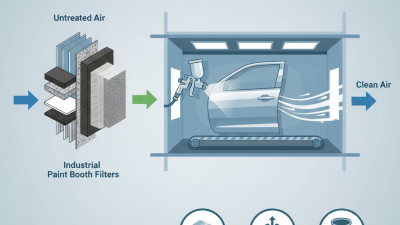
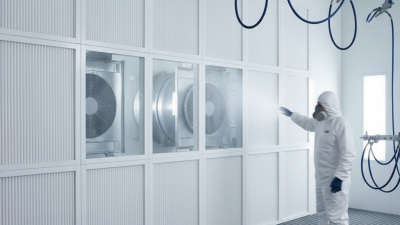
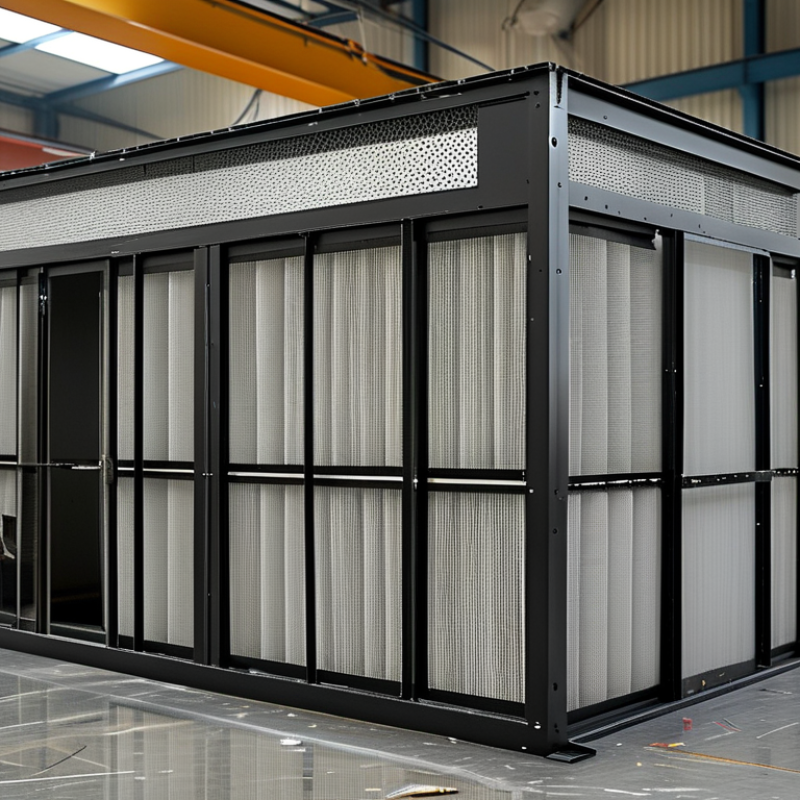
Industrial paint booth filters play a crucial role in maintaining air quality and surface finish. Their primary purpose is to capture airborne particles and contaminants, ensuring a clean environment for painting operations. A well-functioning filter system helps prevent defects like dust or debris in the final paint job. This is essential for achieving high-quality results and client satisfaction.
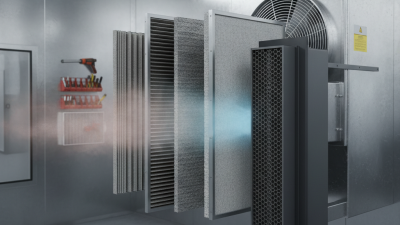
Choosing the right filters requires understanding their types and specifications. There are various filters, including pre-filters, HEPA filters, and activated carbon filters. Each serves a unique purpose in trapping different pollutants. Pre-filters capture larger particles, while HEPA filters are designed for smaller contaminants. It's essential to regularly check and replace filters to maintain optimal performance. Neglecting this can lead to inefficiencies and tarnished outcomes.
Failure to select appropriate filters can result in costly errors. Fine particles can interfere with paint application, leading to a rough finish. It's crucial to evaluate the specific needs of your booth and the materials used. Sometimes, trial and error is needed to find the perfect fit for your operation. This nuanced approach underscores the importance of ongoing evaluation and adaptation in choosing industrial paint booth filters.
Types of Industrial Paint Booth Filters and Their Applications
Choosing the right industrial paint booth filters is crucial for maintaining air quality and ensuring product quality.
There are various types of filters, each with distinct applications. For example, particulate filters capture dust and other airborne particles.
These are essential in environments where cleanliness is a priority.
Another type is activated carbon filters, which absorb volatile organic compounds (VOCs).
According to a report by the Environmental Protection Agency, effective VOC management can reduce air pollution and improve health outcomes for workers.
This is especially relevant in paint booths, where chemical odors and fumes are prevalent.
Tips: Always consider the specific needs of your workspace.
Test different filters to find the best fit for your operations.
Regular maintenance of the filters is essential. Clogged filters can lead to more significant issues and increased costs.
Remember, using the right filter not only improves air quality but also enhances the longevity of equipment.
Lastly, HEPA filters are another vital component.
These filters can trap 99.97% of particles that are 0.3 microns or larger.
While they can be more expensive, their effectiveness in reducing contamination makes them a worthy investment for high-precision tasks.
Ultimately, understanding the types and applications of each filter will lead to better overall performance in your paint booth.
Factors to Consider When Selecting Paint Booth Filters
When selecting paint booth filters, several factors are crucial. Efficiency is a major consideration. Filters should capture particulate matter effectively. This helps maintain air quality and protect workers. A good filter can reduce the risk of exposure to harmful chemicals. However, not all filters are equal.
Another significant factor is the type of paint and solvent used. Different materials generate various levels of VOCs. Some filters are better suited for specific applications. It's vital to match the filter type with your operations. Choosing the wrong filter may lead to increased costs and safety issues over time.
Don't overlook the filter's lifespan and maintenance requirements. Shorter-lived filters may seem less expensive initially. However, they can quickly become costly due to frequent replacements. Achieving the right balance between cost and performance is essential. Investing in quality filters can provide long-term savings and safety.
Factors to Consider When Selecting Paint Booth Filters
Maintenance and Replacement of Industrial Paint Booth Filters
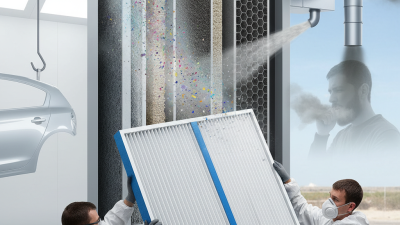
Maintaining industrial paint booth filters is crucial for optimal performance. Dirty filters can reduce airflow and increase the risk of contamination. Studies show that regular replacement can improve booth efficiency by up to 25%. Notably, filters should be assessed weekly. This routine practice allows for early detection of clogging.
Tips: Monitor the pressure differential on gauges. A significant rise often indicates a filter needs changing. Keep a log of replacements. This ensures filters are not neglected over time.
Changing filters may seem tedious. However, neglecting this duty can lead to costly repairs down the line. Make sure to check manufacturer specifications for optimal filter lifespan. Reports suggest that filters should be replaced every 3 to 6 months, depending on usage levels.
Tips: Establish a maintenance schedule. Visual inspections should become part of regular checks. Over time, operators develop instincts about filter health. Encouraging team feedback may uncover hidden inefficiencies. Remember, consistent maintenance can save both time and costs in the long run.
How to Choose the Best Industrial Paint Booth Filters? - Maintenance and Replacement of Industrial Paint Booth Filters
| Filter Type |
Efficiency Rating |
Recommended Maintenance Schedule |
Average Lifespan |
Price Range |
| Paint Arrestor Filters |
95% - 98% |
Every 2-4 weeks |
1-3 months |
$50 - $150 |
| HEPA Filters |
99.97% |
Every 6-12 months |
1-2 years |
$100 - $300 |
| Activated Carbon Filters |
85% - 90% |
Every 3-6 months |
6-12 months |
$75 - $200 |
| Pre-Filters |
70% - 80% |
Monthly |
1-2 months |
$20 - $50 |
Best Practices for Optimizing Filter Performance in Paint Booths
Choosing the right filters for industrial paint booths is crucial for optimal performance. Understanding the specific requirements of your booth is essential. Consider the type of paint used and the ambient conditions. High-efficiency particulate air (HEPA) filters may be necessary for finer particulates. Choosing the wrong type can lead to contamination and poor finish quality.
Regular maintenance and replacement of filters can significantly enhance performance. Keeping a log of filter changes helps track their lifespan. It's important to monitor the pressure drop across the filters. A significant increase may indicate clogging, which reduces airflow. Dirty filters can hinder booth efficiency and create safety hazards.
Training employees on proper filter handling is often overlooked. Untrained personnel may improperly install or replace filters, risking booth integrity. Reflecting on these practices helps identify areas for improvement. Regularly reviewing filter effectiveness ensures that the paint quality meets industry standards. Implementing these best practices will not only prolong the life of filters but also improve overall operational efficiency in paint booths.