Best Tips for Choosing Paint Arrestor Floor Filters?
Choosing the right Paint Arrestor Floor Filter is crucial for maintaining a clean and safe workspace. Many facilities face airborne contaminants, which can lead to health hazards and diminished air quality. Paint Arrestor Floor Filters help capture harmful particles and improve the overall environment, but selecting the right one is often challenging.
Consider factors like filter material and thickness. A higher-quality filter offers better performance but may come at a premium price. You might also want to evaluate the specific needs of your workspace. A dedicated area with heavy paint use may require a different filter than a general-purpose space. Reflection on past experiences can provide insights into what works best.
While it's tempting to rely solely on recommendations or price, take the time to research options. Each Paint Arrestor Floor Filter brand has unique features that could influence efficiency. Understanding your facility’s specific air quality challenges will lead to a more informed decision. This thoughtful approach ensures the selected filter not only meets regulatory standards but also enhances your working environment.
Understanding the Purpose of Paint Arrestor Floor Filters
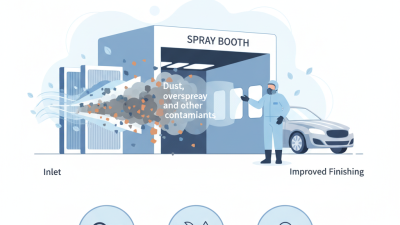
Paint arrestor floor filters play a crucial role in maintaining air quality in painting environments. These filters capture overspray, dust, and other airborne particles. By doing this, they help prevent contamination of both the workspace and the finished product. When selecting these filters, it’s essential to understand their purpose and efficiency in your specific setting.
The effectiveness of paint arrestor filters can significantly influence production quality. A good filter will trap particles without impeding airflow. Consider factors such as filter thickness and material. Some filter types provide better absorption but may need more frequent replacement. Balancing these factors can be complex yet vital for operational efficiency.
Understanding the installation process is just as important. Improperly installed filters can lead to bypass, reducing their effectiveness. Ensure the filters fit snugly within their frames. Regular inspections and maintenance are critical, too. It’s important to check for wear and tear over time. There’s always room for improvement in choosing the right filter. Engaging with industry knowledge can deepen your understanding, ultimately leading to better choices.
Key Features to Consider When Selecting Paint Arrestor Filters
Choosing the right paint arrestor floor filters is crucial for maintaining a clean environment. When selecting these filters, consider several key features that can significantly affect their performance.
First, look at the filtration efficiency. High-efficiency filters can capture small particles effectively. This means less paint overspray and a cleaner workspace. Also, check the denomination of the filter, as it determines its effectiveness. A higher grade usually implies better performance.
Another important feature is the airflow resistance. Filters that are too dense may restrict airflow, leading to inefficiencies in paint application.
Additionally, consider the filter's durability. Some filters may need frequent replacements, which can increase costs. Reflect on the long-term expenses versus short-term savings. Sometimes, opting for a more expensive filter with higher durability can be more cost-effective in the long run.
Lastly, assess the installation process. Filters that are easy to install can save time and frustration. Balancing these features will help you make an informed decision.
Evaluating Filter Materials and Their Impact on Performance
When selecting paint arrestor floor filters, evaluating filter materials is vital. Different materials affect airflow, efficiency, and overall performance. For instance, synthetic media often capture smaller particles more efficiently. Studies show that filters made from polyester can achieve a 95% removal rate for particles as small as 1 micron. This efficiency is crucial for maintaining air quality in paint shops.
Choosing the right filter material is not solely about efficiency. Durability and resistance to tearing also play a key role. Many filters are designed for specific applications, and their lifespan can vary significantly. A report by the National Air Filtration Association indicates that filters with higher dust holding capacities reduce operational costs over time.
Tip: Look for filters with a balance of high efficiency and durability. Ensure they are suitable for your environment. Another tip is to regularly monitor filter performance. Frequent inspections can help identify potential issues early. Remember, the right choice can significantly enhance air quality while minimizing waste.
Performance Comparison of Different Paint Arrestor Floor Filter Materials
Maintenance Tips for Prolonging the Life of Floor Filters
Proper maintenance of paint arrestor floor filters can significantly extend their lifespan. Research indicates that filters with consistent care can last up to 30% longer than those neglected. Regular inspections are crucial. Professionals recommend checking filters weekly for accumulated dust and paint particles. If you notice a drop in airflow, it's a clear sign that your filters need cleaning or replacement.
Another effective strategy is to establish a cleaning schedule. Studies show that cleaning filters every two to four weeks can improve efficiency. Use compressed air or gentle washing methods to remove excess debris without damaging the filter material. While these practices are beneficial, they can be overlooked. Many facilities report extended downtime due to poor filter maintenance. Educating your team on the importance of this can mitigate such issues.
Lastly, consider environmental factors. Humidity and temperature can affect filter performance. Ensuring your workspace is adequately ventilated can help maintain optimal conditions. If filters are regularly exposed to extreme conditions, their effectiveness may diminish. Emphasizing these aspects may require a shift in focus, but it can lead to substantial long-term benefits for both air quality and filtration efficiency.
Common Mistakes to Avoid When Choosing Paint Arrestor Filters
When selecting paint arrestor floor filters, many people make common mistakes that can affect their effectiveness. A frequent oversight is underestimating the filter's efficiency rating. Higher efficiency filters capture more paint particles, reducing unhealthy emissions. It’s essential to check these ratings closely before making a decision.
Another mistake is overlooking the size specifications. Filters that don’t fit properly can allow paint overspray to escape, leading to pollution issues. Ensure the filters match the dimensions of your spray booth. Proper fit prevents unwanted leaks and ensures optimal performance.
Additionally, some users disregard the maintenance requirements of the filters. Neglecting to replace or clean filters can drastically reduce their lifespan. This can result in costly replacements and decreased air quality. Regular checks and maintenance schedules are crucial to keep filters functioning effectively.