2026 How to Choose the Right Commercial Hepa Filter for Your Business?
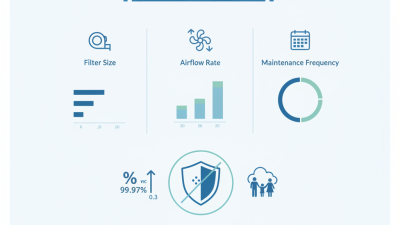
Selecting the right Commercial HEPA Filter for your business is crucial. The air quality you provide can affect employee health and productivity. A quality filter removes harmful particles effectively. Various factors come into play when choosing a filter. These factors include filter efficiency, airflow rate, and size.
When considering a Commercial HEPA Filter, it's vital to understand your specific needs. Not all filters are created equal. Some may not capture fine particles effectively. Regular maintenance is often overlooked but is essential for optimal performance. Without proper upkeep, even the best filters can fall short.
Understanding the technical specifications can be daunting. It’s important to refer to industry standards and reliable sources. Consulting with experts can provide valuable insights. This should not be a rushed decision. The right Commercial HEPA Filter protects your business environment and enhances overall air quality. Make an informed choice that aligns with your business goals.
Understanding the Importance of HEPA Filters in Commercial Settings
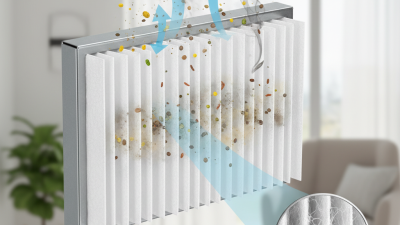
HEPA filters play a crucial role in maintaining air quality in commercial settings. They can capture at least 99.97% of airborne particles that are 0.3 microns in size. This is vital for industries like healthcare, where even the smallest particles can impact patient health. According to the EPA, poor air quality can lead to reduced productivity and increased health issues among employees.
Consider these tips when selecting HEPA filters. First, assess the specific needs of your business. Different industries may have varying requirements based on their unique environments. Secondly, examine the filter's performance data. Look for independent testing results that confirm the filter's efficiency ratings. Also, consider maintenance needs. Filters that are harder to change may lead to neglect, impacting overall effectiveness.
Keep in mind that the cost is not the only factor. A cheaper filter may save money upfront but could compromise air quality. Investing in a reliable HEPA filter can enhance indoor air quality and contribute to a healthier workspace. Ensure you understand the specifications and certifications that illustrate the filter's capabilities. This awareness can greatly improve the decision-making process and potential outcomes for your business environment.
2026 How to Choose the Right Commercial Hepa Filter for Your Business? - Understanding the Importance of HEPA Filters in Commercial Settings
| Filter Type |
Efficiency Rating |
Particle Size Removal (µm) |
Service Life (Months) |
Typical Applications |
| HEPA H13 |
99.95% |
0.1 - 0.2 |
12 - 24 |
Hospitals, Laboratories |
| HEPA H14 |
99.995% |
0.1 - 0.2 |
12 - 24 |
Cleanrooms, Pharmaceuticals |
| ULPA |
99.9995% |
0.1 - 0.2 |
12 - 36 |
Semiconductor, Biotechnology |
| Standard HEPA |
99.97% |
0.3 |
6 - 12 |
Office Buildings, Schools |
Types of HEPA Filters Available for Commercial Use
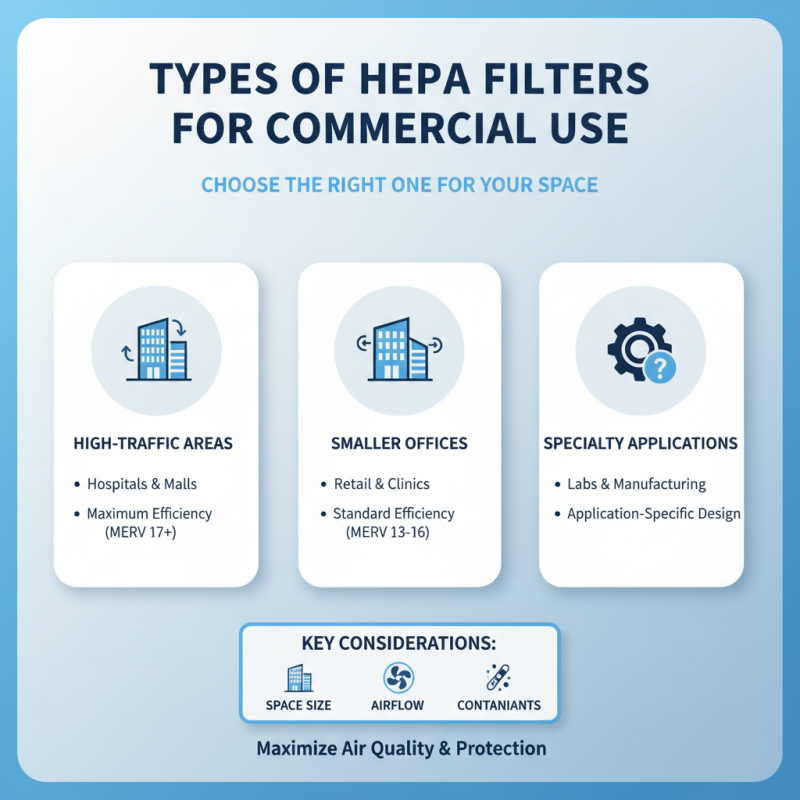
When choosing a HEPA filter for your commercial space, it's crucial to understand the types available. Not all HEPA filters are created equal. They vary in efficiency, design, and application. Some are designed specifically for high-traffic areas, while others are better suited for smaller offices. Consider where the filter will be used to maximize its effectiveness.
One common type is the True HEPA filter. It captures 99.97% of particles as small as 0.3 microns. These filters are ideal for environments where air quality is a top priority, such as hospitals or laboratories. Another option is the HEPA-type filter, which generally has a lower efficiency. These may suit less demanding environments but may not provide the same level of protection.
Tips: When selecting a filter, consider the size of your space. A larger area may require multiple units for optimal air quality. Regular maintenance is also essential. Change your filters on time to avoid reduced efficiency. Ignoring this can lead to air quality deterioration, reflecting poorly on your business. Don't underestimate the importance of professional advice when selecting a filter. Speak with an expert to ensure you make the best choice for your needs.
Factors to Consider When Choosing a HEPA Filter for Your Business
Choosing the right commercial HEPA filter requires a careful evaluation of several factors. Start by assessing the specific needs of your business. Consider the size of your facility and the type of air pollutants typically present. The filter's efficiency rating is crucial. A higher rating means improved air quality, but it may also lead to higher costs.
Another important factor is the filter's lifespan. A filter that needs frequent replacement can affect budget planning. Your team should be trained to monitor the performance regularly. Incorrect usage can lead to poor filtration and safety hazards. Think about maintenance requirements. Some filters need professional servicing. This can add ongoing costs and downtime.
Finally, consider the certifications and standards. Look for filters that meet recognized health standards. This ensures reliability and effectiveness in protecting your workplace. Remember, the wrong choice can lead to unexpected challenges. Reflect on the selection process. Each decision plays a role in creating a safe and healthy environment.
Evaluating the Efficiency and Performance of HEPA Filters
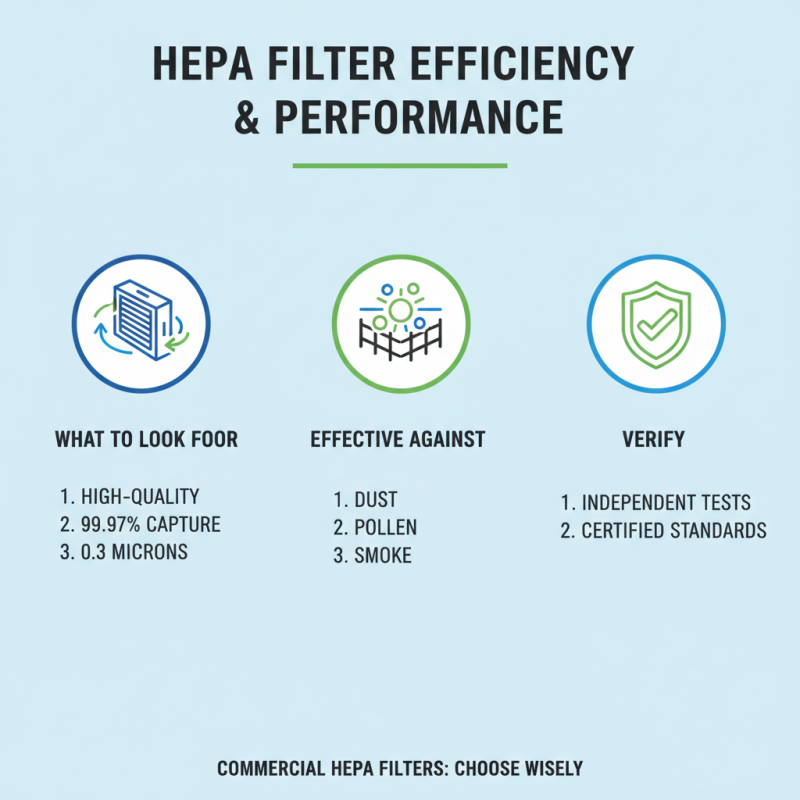
When choosing a commercial HEPA filter, efficiency and performance are crucial. A high-quality HEPA filter captures 99.97% of particles as small as 0.3 microns. This includes dust, pollen, and smoke. Look for independent test results that verify the filter's performance. Not all filters labeled as HEPA meet the same standards.
Consider the air changes per hour (ACH) required for your space. Each environment varies. For instance, hospitals require higher ACH than offices. This impacts the filter you choose. Filters must handle the specific air quality needs of your business. Long-term use can reveal inefficiencies in performance. Frequent replacements may indicate the need for a different filter type.
You should also contemplate the filter's pressure drop. A significant pressure drop can reduce airflow and efficiency. This may lead to extra costs over time. Even the best filters can have drawbacks. Regular maintenance and monitoring are essential. A neglected filter can lead to reduced indoor air quality, negating initial choices. Understanding all these factors will help you make an informed decision.
Maintenance and Replacement Guidelines for Commercial HEPA Filters
When managing a commercial space, the significance of HEPA filters cannot be overlooked. Regular maintenance of these filters is essential for optimal performance. Dirty filters can hinder airflow and defeat their purpose. A clean filter enhances indoor air quality, crucial for employee health and productivity.
Replacing HEPA filters on schedule is imperative. Most filters need replacement every 6 to 12 months, depending on usage. However, some situations may require more frequent changes. Monitor your filter closely if you notice increased dust accumulation or reduced airflow. These signs indicate it's time for a replacement.
Understanding the specific requirements for your environment can improve filtration efficiency. Temporary maintenance issues are common and should be addressed promptly. Sometimes, it's easy to forget the simple act of checking filters regularly. Cultivating a routine can help maintain reliable air quality and ensure compliance with health standards. Failing to do so might lead to unexpected challenges down the line.