What is a Commercial Hepa Filter and How Does it Work?
In the world of air filtration, the term "Commercial Hepa Filter" stands out. Dr. Emily Weaver, a leading expert in air quality technologies, emphasizes, "A Commercial Hepa Filter is essential for achieving optimal indoor air quality." These filters are designed to capture a vast majority of particles, ensuring cleaner air in commercial environments.
Understanding a Commercial Hepa Filter requires exploring its construction and function. These filters contain a dense mat of fibers that attract and trap airborne contaminants. This specific design is crucial for offices, hospitals, and factories where air quality is a priority. However, not all filters labeled as HEPA meet rigorous standards, leading to potential misunderstandings.
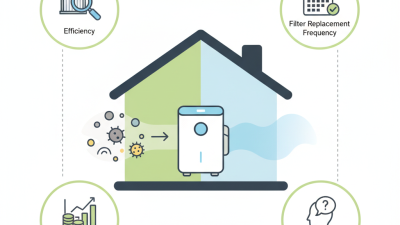
While these filters can significantly enhance air quality, they come with challenges. Regular maintenance, such as timely replacements, is necessary to maintain efficiency. Ignoring this can lead to reduced performance and increased energy costs. It’s vital for businesses to invest time in understanding and managing their air filtration systems effectively.
Definition and Purpose of Commercial HEPA Filters
Commercial HEPA filters are essential tools for maintaining air quality in various environments. These filters are designed to trap airborne particles with great efficiency. They can capture dust, pollen, pet dander, and even some bacteria and viruses. This ability makes them invaluable in settings like hospitals, laboratories, and manufacturing facilities.
The purpose of commercial HEPA filters extends beyond basic air cleaning. They are often employed to meet stringent health standards. In clinics, for instance, a HEPA filter might be crucial for preventing the spread of infections. In industrial settings, it helps maintain product integrity by reducing contamination. However, not all systems using HEPA filters operate optimally. Some may lack regular maintenance, causing them to underperform. Filters can also become clogged, which compromises their effectiveness.
Using commercial HEPA filters requires careful planning. It’s important to select the right filter size and type for the specific application. These filters work best when airflow is balanced. However, there are challenges, such as high energy costs associated with running air systems. Balancing air quality with budget constraints can be complicated. Attention to detail is necessary to ensure filters achieve their intended purpose efficiently.
How Commercial HEPA Filters are Constructed
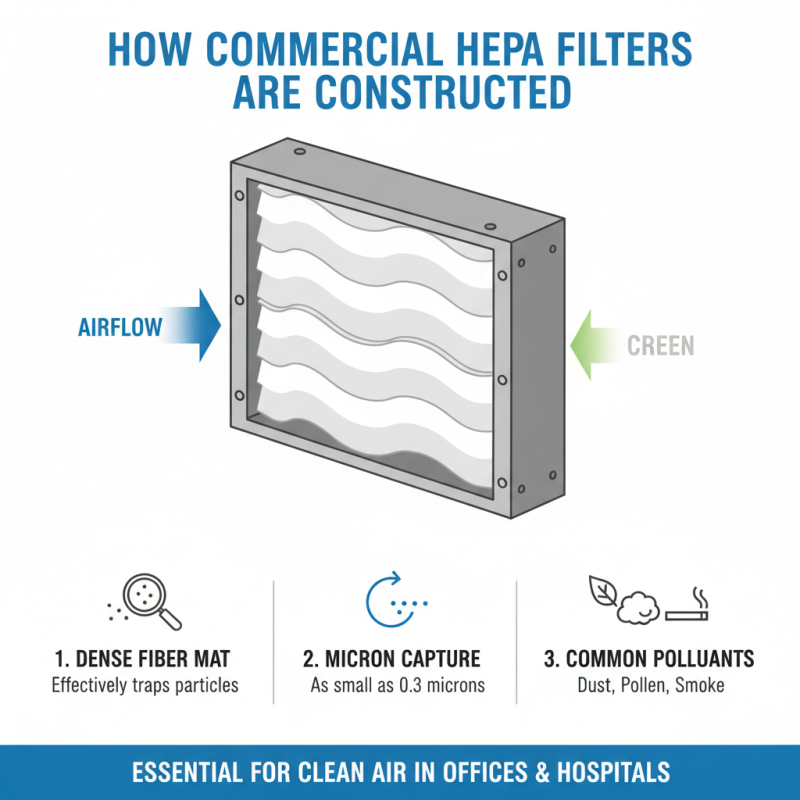
Commercial HEPA filters are essential for maintaining clean air in various environments, including offices and hospitals. Constructed with a dense mat of fibers, these filters effectively trap particles as small as 0.3 microns. This includes dust, pollen, and even tobacco smoke. Each layer in a HEPA filter is crucial, as it enhances particle capture without significantly restricting airflow.
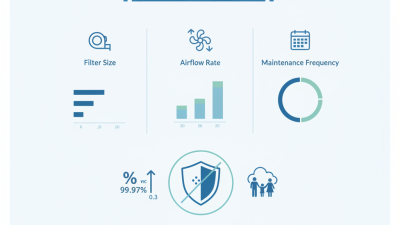
The filter's construction typically involves a fiberglass medium, folded in a way that increases the surface area. This design allows for higher efficiency and lower resistance. According to industry reports, commercial HEPA filters can remove up to 99.97% of airborne particles, making them a reliable option for many businesses.
Tip: Regularly checking and replacing filters can prolong their effectiveness. Filters that are too dirty can decrease air quality. Consider monitoring indoor air quality to determine when a change is necessary.
While these filters perform well, they are not perfect. They cannot eliminate gaseous pollutants. Thus, a comprehensive air quality strategy should accompany their use.
Tip: Combine HEPA filters with other air purification systems for better results. This can help capture a wider range of pollutants in the air.
Mechanism of Action: How HEPA Filters Capture Particles
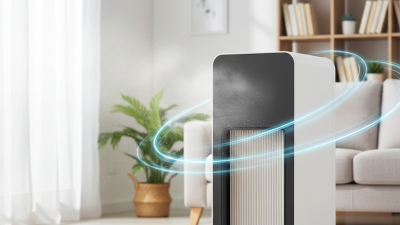
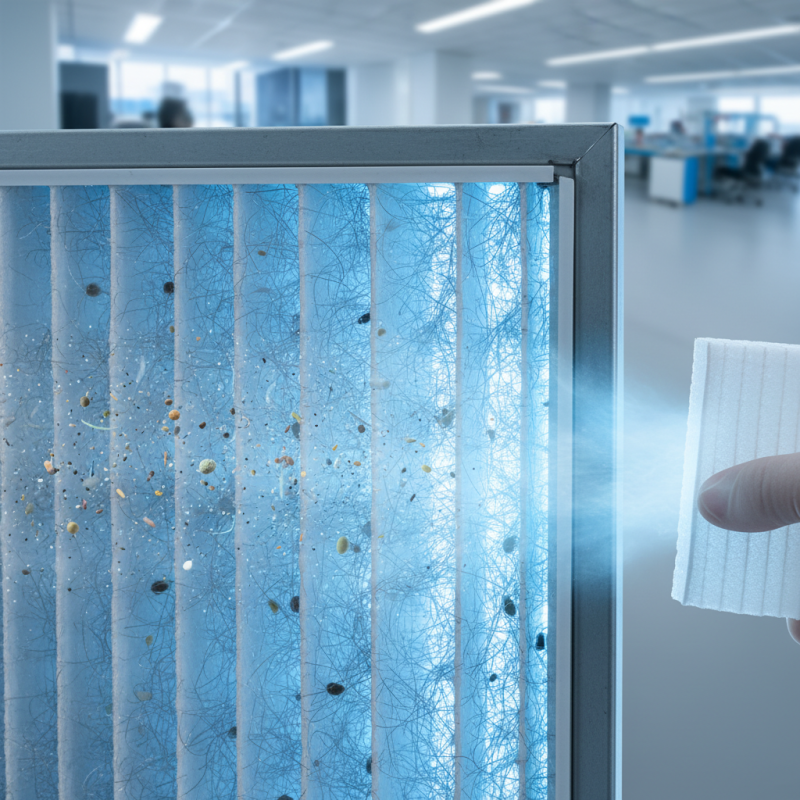
HEPA filters are designed to capture tiny particles from the air. They can trap allergens, dust, pet dander, and smoke. The mechanism behind this filters' effectiveness lies in their construction. A HEPA filter is made of a dense mat of fibers, which create a maze that airborne particles must navigate.
When air passes through a HEPA filter, several processes come into play. Larger particles collide with the fibers and get trapped. Smaller particles face a more complex task. They may follow the air stream while colliding with fibers due to Brownian motion. This erratic movement increases the chances of being captured. The filter's efficiency is impressive: it can capture at least 99.97% of particles larger than 0.3 microns.
However, not all HEPA filters perform equally. The design, materials, and age of the filter play crucial roles. A clogged filter will allow more dust through. Regular maintenance and timely replacement are important. Without these practices, one may not achieve the expected cleanliness. It's vital to understand that HEPA filters, while effective, are just one part of a complete air quality strategy.
Applications of Commercial HEPA Filters in Various Industries
Commercial HEPA filters play a crucial role in various industries. These filters capture tiny particles, including dust, pollen, and bacteria. Hospitals use them for clean air in operating rooms. They reduce infection risks, promoting patient safety.
In the manufacturing sector, HEPA filters prevent contamination. Factories producing electronics or pharmaceuticals need strict air quality control. A small dust particle could ruin products. HEPA filters are essential here, ensuring high standards.
However, maintenance of these filters can be a challenge. They require regular checks and replacements. Neglecting this can lead to reduced efficiency. Many businesses struggle with budget constraints. Finding the balance between cost and quality is essential. This ongoing task needs attention and reflection.
Maintenance and Replacement of HEPA Filters for Optimal Performance
Maintaining HEPA filters is crucial for their efficiency. Regular checks can prevent dust and allergens from accumulating. However, many forget the importance of timely replacement. Not all filters last the same duration. Some need changes every few months, while others may last a year. Dull filters can hinder air quality, leading to potential health issues.
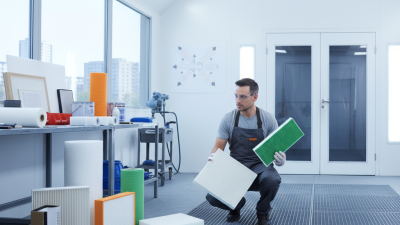
When replacing HEPA filters, ensure you select the right size. A poorly fitting filter won't capture particles effectively. It's also important to clean surrounding areas. Dust buildup around the filter can also affect performance. Some users neglect this step, causing inefficiencies.
Remember to monitor the air quality in your space. If it starts to decline, it may signal a filter issue. Checking for visible dirt or wear can guide you. If the filter appears damaged, it’s time for a change. A proactive approach to maintenance can lead to better air quality.