Best Spray Booth Floor Filter Options for Global Buyers?
Choosing the right Spray Booth Floor Filter is crucial for maintaining air quality in industrial settings. According to a recent report by the Environmental Protection Agency (EPA), effective filtration can reduce airborne contaminants by up to 95%. Ensuring optimal performance of spray booths not only enhances worker safety but also improves the overall quality of the finished products.
Expert in the field, Dr. James Henderson, notes, “Selecting the proper Spray Booth Floor Filter is integral to achieving a clean workspace.” This reflects the industry’s focus on both compliance and efficiency. While many options are available, not all filters provide the necessary durability and effectiveness.
Investing in high-quality Spray Booth Floor Filters can lead to significant cost savings in the long run. However, buyers must remain vigilant and do extensive research. Misjudging filter quality can lead to increased operational costs and inefficiencies. Thus, balancing cost with performance remains an ongoing challenge for global buyers.
Overview of Spray Booth Floor Filters and Their Importance
Spray booth floor filters play a crucial role in maintaining a safe and clean workspace. They capture overspray and particulate matter effectively, preventing contamination of the surroundings. This is particularly important in environments where air quality significantly affects worker health and safety. Selecting the right filter enhances the overall efficiency of the spray booth and prolongs equipment life.
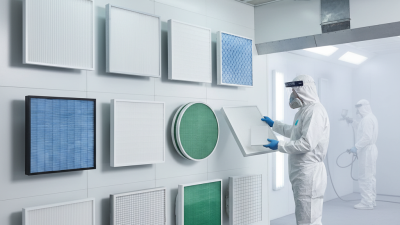
Understanding filter types is essential for making informed choices. Various options exist, from paper to synthetic materials, each with unique advantages. Proper installation and regular maintenance are key. They ensure optimal performance and reduce the risk of costly downtimes. Not all filters fit every booth perfectly, so customization might be necessary.
Sustainability is another aspect to consider. Some filters utilize eco-friendly materials, contributing to overall environmental wellness. Balancing cost with efficiency is challenging. Investing in quality filters may seem expensive upfront but can lead to long-term savings. Ultimately, the choice of spray booth floor filters should reflect both practical needs and a commitment to quality. There’s always room for improvement in how we select and implement these tools. Reflecting on past choices can enhance future decisions in filter management.
Types of Spray Booth Floor Filters Available in the Market
When considering spray booth floor filters, it's essential to explore the types available in the market. These filters play a crucial role in maintaining air quality and reducing volatile organic compound (VOCs) exposure. A recent industry report indicates that about 30% of spray booth-related health issues stem from inadequate filtration systems. This highlights the need for proper selection.
There are several types of spray booth floor filters. Disposable filters are common; they effectively capture particles and are easy to replace. However, they can accumulate waste quickly, necessitating frequent changes. This can be seen as a drawback for businesses aiming to optimize cost efficiency. In contrast, reusable filters are more sustainable. They require regular cleaning, which might be perceived as a hassle but can significantly lower long-term expenses.
Another noteworthy option is the activated carbon filter. These filters excel at removing odors but might not capture all particulate matter. Some users report a mix of satisfaction and frustration with their performance. It's crucial for buyers to weigh the benefits against potential maintenance challenges. Understanding the specific needs of a spray booth operation will guide buyers in choosing the most effective filter type.
Key Features to Consider When Choosing a Floor Filter
When selecting a floor filter for a spray booth, it’s crucial to consider several key features. The filter’s efficiency rating significantly impacts dust and particulate removal. Industry reports indicate that high-efficiency particulate air (HEPA) filters can capture up to 99.97% of particles as small as 0.3 microns. This ensures cleaner air quality, reducing the likelihood of contamination in your workspace.
Another vital factor is the airflow resistance. Some filters are designed to maximize airflow while maintaining high filtering capabilities. In practice, a balance must be struck. Too much resistance could lead to pressure drops, affecting the overall performance of your spray booth. It’s often necessary to test multiple options to find the right balance.
Durability is also essential. Filters should not only perform well initially but also maintain their efficiency over time. Research indicates that filters with longer service lives can provide better overall value. However, users often overlook the environmental implications of replacing filters too frequently. Sustainable practices should be a priority, pushing buyers towards options that offer both performance and longevity. Selecting the right filter can require careful consideration and testing.
Top Brands and Models for Global Buyers to Consider
When selecting the best spray booth floor filters, understanding top brands and models is crucial. Industry reports indicate that filtration performance is key to maintaining air quality in spray booths. According to recent data, over 75% of businesses prioritize filtration efficiency to reduce airborne particulates by at least 95%.
Several models stand out in global markets. HEPA filters are a popular choice for their high efficiency, capturing particles as small as 0.3 microns. Additionally, pre-filtration systems can extend the life of HEPA filters, making them a wise investment. Dust loading rates should also be considered; some systems can handle more material without compromising performance.
Tip: Regular maintenance can enhance filter longevity. Changing filters on a scheduled basis can prevent buildup and inefficiency. Businesses should routinely evaluate their filtration systems to ensure compliance with air quality standards.
While many filters boast remarkable specifications, not every model meets unique operational needs. Some may not perform well in high humidity environments, leading to decreased airflow. Evaluating specific conditions and requirements is essential for optimal performance. Inadequate research may lead to unforeseen expenses. Be diligent in comparing options before making a decision.
Tips for Maintenance and Replacement of Spray Booth Floor Filters
Maintaining spray booth floor filters is crucial for optimal performance. Regular replacement of these filters prevents airflow obstruction. According to industry reports, clean filters can enhance efficiency by up to 30%. This statistic underscores the importance of timely maintenance. Neglecting this can lead to poor paint application and increased waste.
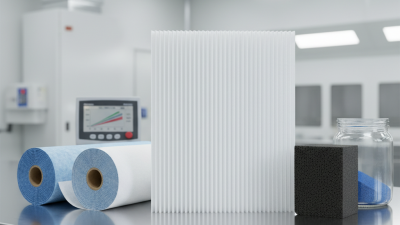
The type of material used in filters plays a significant role. Fiberglass, polyester, and synthetic blends are common. Each type has specific replacement intervals. For example, polyester filters typically need replacement every two to three months, while fiberglass ones may last longer. Monitoring filter saturation is essential. A discolored filter indicates a critical state.
Operators should keep an eye on airflow readings. A drop in airflow can signal a clogged filter. Utilizing pressure gauges can help track this metric effectively. Documenting replacement dates contributes to better inventory management, yet many overlook this. Not maintaining an organized schedule can lead to confusion and inefficiency. Regular checks ensure filters are operating within optimal ranges.