Why Are Spray Booth Exhaust Filters Essential for Your Business?
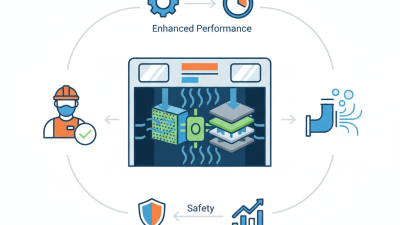
In today's manufacturing landscape, adhering to safety standards is critical. Spray Booth Exhaust Filters play a vital role in maintaining air quality. According to the U.S. Environmental Protection Agency, improper ventilation can elevate levels of volatile organic compounds (VOCs). These compounds can seriously affect health, leading to long-term financial repercussions for businesses.
Moreover, studies show that facilities using high-quality Spray Booth Exhaust Filters experience lower rates of respiratory illnesses among workers. The American Conference of Governmental Industrial Hygienists highlights the importance of clean air for employee productivity. Increased air quality often leads to enhanced focus and job satisfaction among staff members.
However, many businesses underestimate the costs associated with poor filtration systems. Failing to invest in adequate filters can lead to increased cleanup efforts and regulatory fines. It’s essential to evaluate the filter types and their efficiency regularly. Only then can organizations ensure a healthier work environment and compliance with industry regulations.
Importance of Spray Booth Exhaust Filters in Industrial Settings
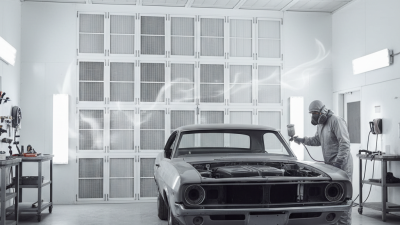
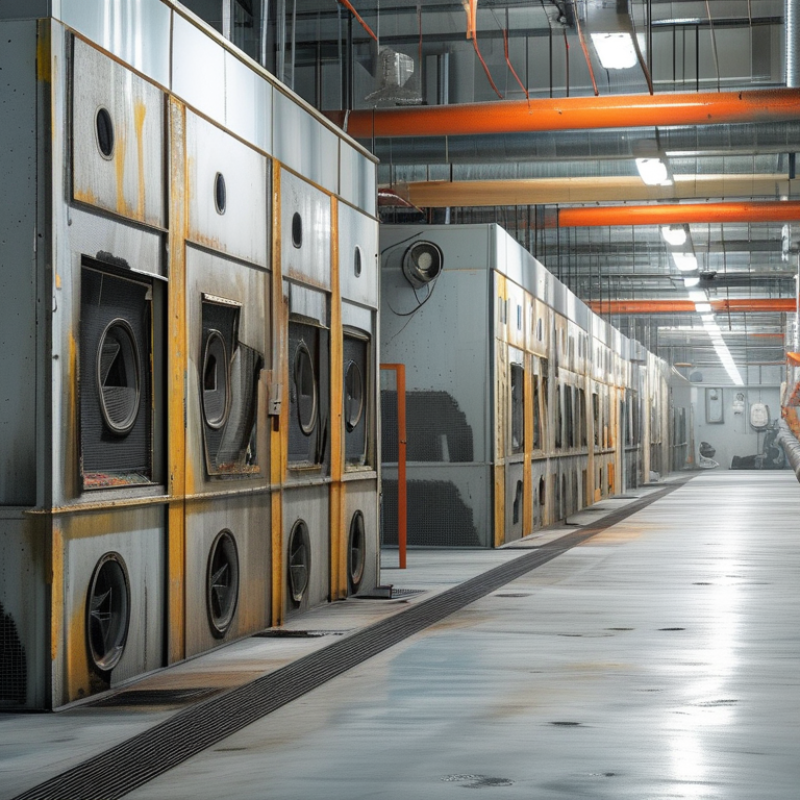
In industrial settings, spray booth exhaust filters play a critical role in maintaining a safe working environment. These filters capture harmful particles and fumes generated during painting processes. By removing volatile organic compounds (VOCs) and other hazardous substances, they significantly reduce air pollution. This protection not only safeguards workers' health but also complies with environmental regulations.
Proper maintenance of these filters is essential. Neglecting them can lead to decreased air quality. Regular checks should be implemented to ensure filters are clean and functional. If filters become clogged, they can worsen airflow, making operations less efficient. Businesses must be proactive in managing filter systems to avoid costly downtimes.
Investing in robust exhaust filters can seem daunting, but it pays off in the long run. They promote better air quality and create a healthier workplace. Nonetheless, challenges exist, like choosing the right type of filter and understanding maintenance schedules. Decision-making can feel overwhelming, but guidance is available to help navigate these complexities.
Types of Spray Booth Exhaust Filters Used in Various Industries
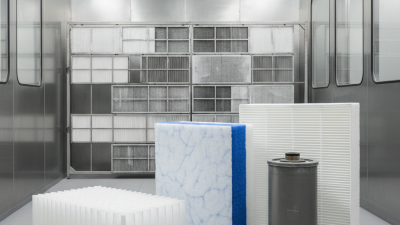
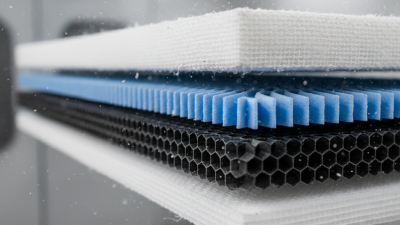
In many industries, spray booth exhaust filters play a crucial role in maintaining air quality and safety. Different sectors use various types of filters to meet specific needs. For example, automotive and aerospace industries often rely on HEPA filters. These filters capture tiny particles, ensuring clean air for workers and a safe environment.
Paint and coating industries benefit from polyester and polypropylene filters. These are designed to handle heavy paint overspray. They prevent contamination and ensure that coated products meet quality standards. Choosing the right filter is key. It directly impacts both operational efficiency and the health of employees.
Tip: Regularly inspect and replace filters as needed. Maintaining optimal performance can save costs in the long run.
Moreover, woodworking industries often utilize electrostatic filters. These filters attract and trap wood dust effectively. They help to keep the workspace free from hazardous particles. However, these filters require careful maintenance and periodic cleaning to stay effective.
Tip: Keep a maintenance schedule for your filters. It helps in avoiding unexpected downtime.
Understanding the specific requirements of your industry can guide you in selecting the most suitable spray booth exhaust filter. Consider both the nature of materials used and the volume of air processed. Each choice has implications for health, safety, and efficiency.
Benefits of Using Spray Booth Exhaust Filters for Health and Safety
Spray booth exhaust filters play a critical role in maintaining a safe working environment. When using spray equipment, harmful vapors and particles are released into the air. These contaminants can pose serious health risks to employees. Effective exhaust filters capture these pollutants, ensuring cleaner air and reducing exposure.
Using high-quality spray booth exhaust filters can significantly improve air quality. Workers breathe easier, leading to better concentration and productivity. Clean air also reduces the risk of respiratory issues and allergies, which are common in industrial settings. Yet, filters require regular maintenance and replacement. Neglecting them can lead to inefficiency and increased health risks.
Employers must invest in proper filtration systems. The cost of filters is minimal compared to the potential health expenses from poor air quality. Regular inspections are beneficial. Employees should be trained on the importance of filtration systems. Inadequate filtration reflects poorly on a business’s commitment to safety and well-being.
Impact of Spray Booth Exhaust Filters on Workplace Health and Safety
Maintenance Best Practices for Spray Booth Exhaust Filters
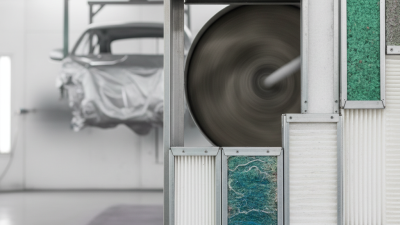
Proper maintenance of spray booth exhaust filters is crucial for ensuring a safe and efficient work environment. Regularly check filters for signs of damage or clogging. A visual inspection helps identify build-up that can hinder airflow. Clogged filters can lead to poor air quality and reduced equipment performance. Keep a maintenance log to track filter changes and inspections.
Cleaning or replacing filters on a scheduled basis is essential. Follow the manufacturer’s guidelines for timing, but also consider workload variations. More frequent changes may be necessary during peak seasons. Consider investing in an air quality monitor. This device can provide real-time feedback about the effectiveness of existing filters. Remember, neglecting filter maintenance can lead to costly repairs and potential downtime.
While best practices exist, every business's needs differ. Analyze your specific workflow to establish an effective maintenance routine. Engage employees in the process; their insights can reveal overlooked issues. Regular training sessions can reinforce the importance of filter care. A culture of accountability can drive better outcomes in emission control. Reflect on current practices to identify areas for improvement.
Regulatory Standards and Compliance for Exhaust Filter Usage
When operating a spray booth, understanding regulatory standards is crucial. Exhaust filters play a pivotal role in meeting these standards. They help control emissions of volatile organic compounds (VOCs) and other harmful pollutants. Compliance with local regulations is not optional. It safeguards public health and the environment.
Employing the proper exhaust filters can enhance air quality. Many businesses underestimate their importance. Though filters may seem trivial, they hold significant weight in regulatory compliance. Neglecting regular maintenance can lead to inefficient filtration. This can result in costly fines and legal repercussions.
To ensure compliance, consult local guidelines. Regularly inspect and replace filters as needed. Document all maintenance to maintain accountability. Reflecting on your practices can foster improvement. Ensure your business remains compliant with evolving standards.
Why Are Spray Booth Exhaust Filters Essential for Your Business? - Regulatory Standards and Compliance for Exhaust Filter Usage
| Dimension |
Data |
| Filter Type |
HEPA and Activated Carbon |
| Average Lifespan |
6-12 Months |
| Compliance Standards |
EPA, OSHA, NFPA |
| Common Applications |
Automotive, Woodworking, Aerospace |
| Typical Installation Cost |
$1,000 - $5,000 |
| Maintenance Frequency |
Every 3-6 Months |
| Environmental Impact |
Reduces Airborne Particulates and VOCs |