What Are the Best Paint Spray Booth Filters for Your Needs?
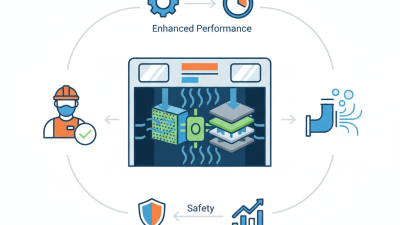
Choosing the right Paint Spray Booth Filters is crucial for any painting operation. These filters impact air quality and ensure a safe working environment. Selecting the best filters requires consideration of various factors, including filter type, efficiency, and application.
Different types of Paint Spray Booth Filters serve distinct purposes. Some filters capture large particles, while others target finer contaminants. Understanding these differences is vital for achieving optimal performance. Efficiency ratings provide insight into a filter’s capability. A more efficient filter may capture more pollutants, enhancing safety in the booth.
Many users overlook the importance of regular filter replacement. Old or clogged filters decrease airflow and increase contamination risks. This can lead to reduced productivity and inadequate protection. Therefore, regularly evaluating your filter choice is essential. Your specific painting needs should guide your selection of Paint Spray Booth Filters for an effective setup.
Understanding the Functionality of Paint Spray Booth Filters
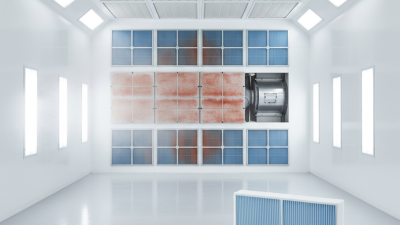
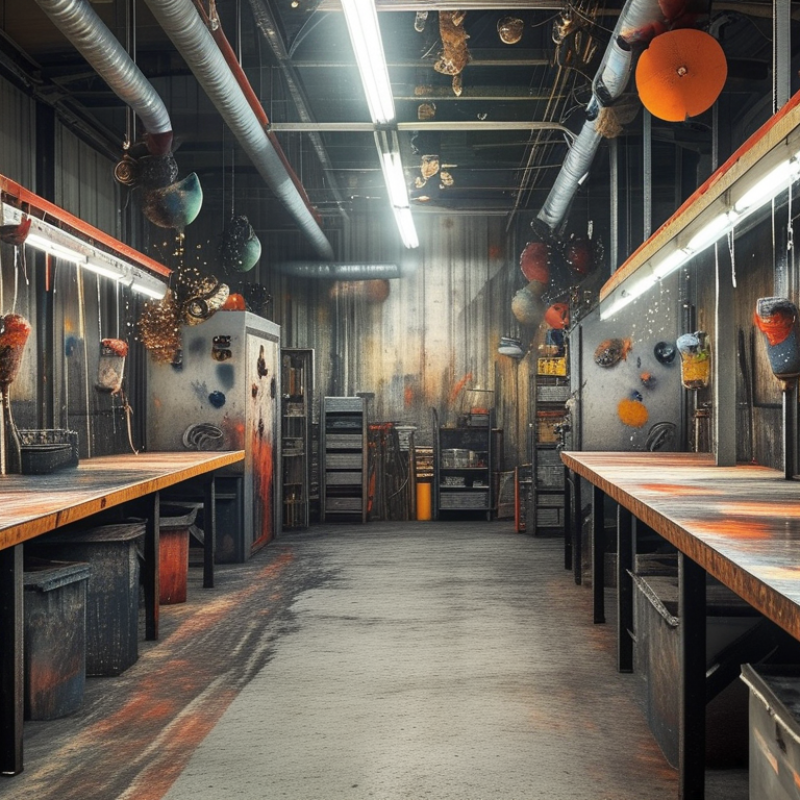
Paint spray booth filters play a critical role in maintaining air quality during paint application. These filters trap harmful particles, preventing them from entering the atmosphere. In industries, exposure to volatile organic compounds (VOCs) can exceed safety limits if proper filtration isn’t used. For instance, data shows that a well-implemented filtration system can reduce VOC emissions by up to 90%. This highlights the importance of selecting suitable filters for specific needs.
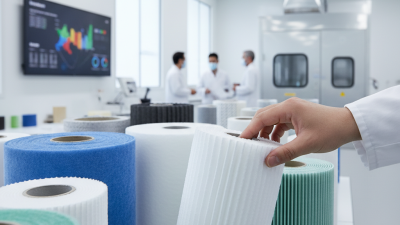
Different types of filters serve distinct functions. Pre-filters capture larger particles like dust and debris, while HEPA filters remove microscopic contaminants. Each filter has a lifespan, often ranging from several weeks to months. Performance can decline if they are not regularly checked or replaced. It’s vital to assess how environmental factors, such as humidity and temperature, affect filter efficiency. Ignoring these aspects might lead to increased maintenance costs and reduced safety for workers.
Choosing the right filter depends on the specific requirements of your operation. For high-volume production environments, a more robust filtration solution is essential. However, organizations sometimes overlook proper analysis of their filter needs, resulting in inadequate air quality control. Research indicates that 30% of facilities do not invest in regular evaluations of their filtration systems. Such oversight could lead to compliance issues and higher health risks for personnel.
Types of Paint Spray Booth Filters Available in the Market
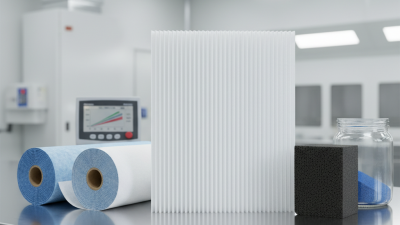
When choosing paint spray booth filters, options vary widely. Some common types include pre-filters, HEPA filters, and activated carbon filters. Pre-filters capture larger particles, helping prolong the life of more expensive filters. HEPA filters can remove up to 99.97% of airborne particles down to 0.3 microns. This makes them essential in maintaining air quality in spray booths. According to industry reports, proper ventilation and filtration can reduce airborne contaminants by 95%, significantly enhancing safety.
Activated carbon filters play a critical role in removing volatile organic compounds (VOCs). VOCs are harmful and can cause health issues. Reports show that using activated carbon can reduce VOC levels significantly, improving worker safety. However, selecting the right filter should be based on the specific chemicals used in the spray booth. Not all filters work effectively for every material. Many professionals find that a combination of filters yields the best results.
Maintenance is another important factor. Filters should be checked regularly for saturation levels. A clogged filter can lead to inefficiencies and safety risks. Research indicates that neglecting filter maintenance can decrease air quality by up to 40%. Therefore, having a systematic maintenance plan is essential for optimal performance. Not all businesses prioritize this, which can lead to serious consequences over time.
Factors to Consider When Choosing Paint Spray Booth Filters
Choosing the right paint spray booth filters is crucial for maintaining air quality and ensuring a safe working environment. One significant factor to consider is the filter's efficiency rating. Filters are often rated by their Minimum Efficiency Reporting Value (MERV). A MERV rating of 8-11 is generally acceptable for most spray booths. Higher ratings may capture finer particles but could restrict airflow if not properly matched to the booth's system.
Another factor to consider is the type of filter material. Synthetic filters typically handle higher volumes of paint and solvents better than fiberglass. This can result in longer filter life and improved performance. Additionally, filters must be changed regularly to avoid reduced efficiency. It is recommended to monitor pressure drop across the filter. A significant increase indicates the need for replacement.
Tips: Always calibrate the monitoring system to your specific booth type. Frequent inspections can help identify early signs of filter clogging. Don’t ignore smaller particles; they can impact air quality over time. Consider conducting periodic air quality tests in your booth. This can provide insights into filter performance and potential hazards.
Maintenance Tips for Prolonging the Life of Spray Booth Filters
Maintaining your spray booth filters is crucial for optimal performance. Regular checks help identify wear and tear early. Clean filters can improve air quality and enhance finish quality in your projects.
To prolong filter life, schedule regular maintenance. Check your filters weekly. Remove dust and debris gently. If the filters are visibly dirty, they need replacement sooner rather than later.
Tip: Monitor airflow closely. Reduced airflow indicates clogged filters. Replace them immediately to avoid costly downtimes. Another tip is to keep the booth clean. A tidy environment can minimize filter load and enhance efficiency.
What Are the Best Paint Spray Booth Filters for Your Needs? - Maintenance Tips for Prolonging the Life of Spray Booth Filters
| Filter Type |
Efficiency Rating |
Recommended Use |
Lifespan (Months) |
Maintenance Tips |
| Polyester Filter |
95% |
General Paint Booth Use |
6-12 |
Clean regularly, replace when dirty. |
| HEPA Filter |
99.97% |
Fine Particle Capture |
12-18 |
Check for damage and replace as needed. |
| Activated Carbon Filter |
85% |
Odor Control |
3-6 |
Monitor odor levels and replace regularly. |
| Pleated Filter |
90% |
Dust and Debris Capture |
6-12 |
Inspect for clogging and replace when necessary. |
Comparing Cost-Effectiveness of Different Paint Booth Filter Options
When choosing paint spray booth filters, cost-effectiveness can significantly impact operational budgets. A recent industry report indicated that opting for high-efficiency filters can reduce replacement frequency by up to 30%, thus lowering long-term expenses. These filters capture more particles, leading to cleaner air and improved finish quality. Regular filters, while cheaper upfront, may lead to higher maintenance costs and increased downtime.
In terms of initial investment, a study found that standard fiberglass filters can cost around $0.50 to $1.00 each. Conversely, high-efficiency particulate air (HEPA) filters average $5 to $20 each. Yet, the long-term savings from reduced waste and prolonging equipment life often favor the higher initial expenditure. The challenge lies in calculating the precise cost over time. Companies often overlook hidden costs, which can include employee health impacts from poor air quality.
Furthermore, the lifespan of filters varies widely. Some filters may last only a few days, compounding costs. In contrast, premium options can last several months. Evaluating the total cost of ownership should be a priority. Assessing filter choice purely on price may mask the true financial picture. Engaging with field experts helps in making informed decisions based on experience and data.