What is Spray Booth Filter Material and Its Importance in Use?
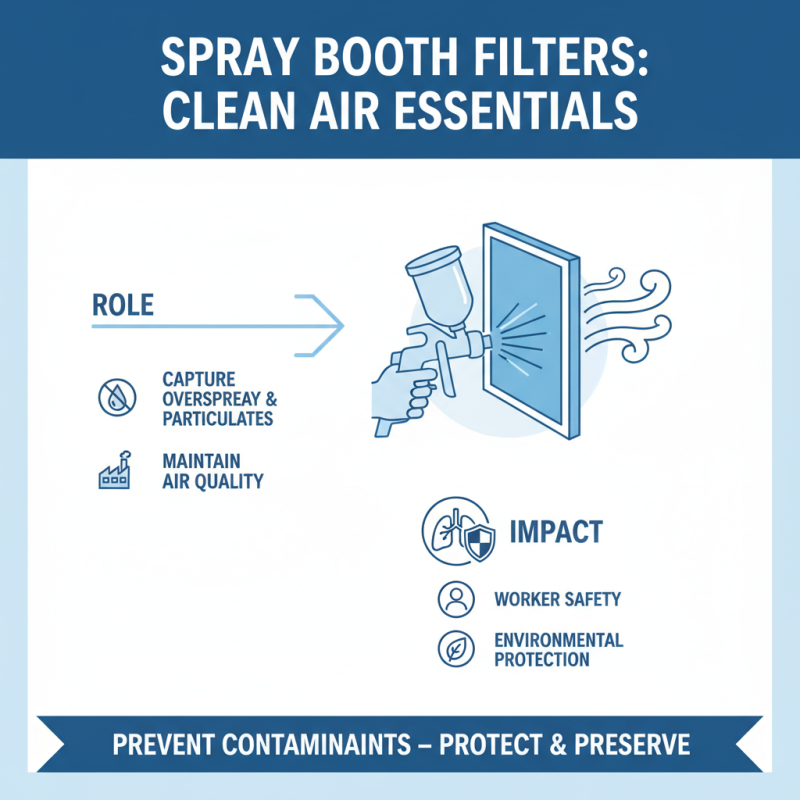
In the world of manufacturing and automotive refinishing, the importance of Spray Booth Filter Material cannot be overstated. These materials play a crucial role in maintaining air quality and ensuring compliance with industry regulations. According to a report by the Environmental Protection Agency (EPA), improper air filtration can lead to hazardous exposure, affecting both workers and the environment.
Spray booths rely on high-quality filtering solutions to capture overspray and prevent contamination of both the air and surrounding surfaces. Research indicates that effective filters can reduce volatile organic compounds (VOCs) by up to 90%. This statistic highlights the need for reliable Spray Booth Filter Material in any environment where paint and solvents are utilized.
However, not all filter materials are created equal. Some have limited lifespan and capacity, leading to inefficiencies. Regular monitoring and replacement are essential for optimal performance. Manufacturers must reflect on their choices and invest in filters that not only meet industry standards but also enhance sustainability. The right Spray Booth Filter Material is, therefore, a vital component in advancing both safety and operational efficiency within this critical sector.

What is Spray Booth Filter Material?
Spray booth filter material plays a crucial role in maintaining clean air quality in manufacturing settings. This material is designed to capture overspray and particulate matter generated during painting or coating processes. The effectiveness of these filters directly impacts the safety of workers and the environment. By trapping harmful substances, they prevent contaminants from being released into the air. This principle underlines their importance.
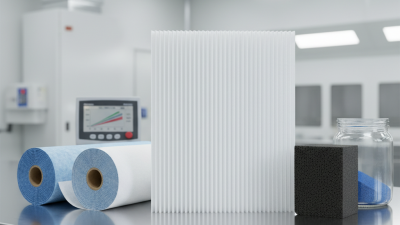
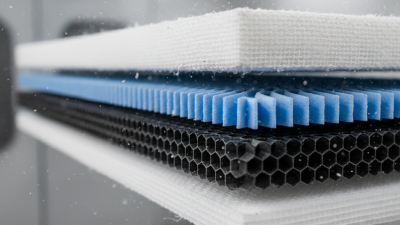
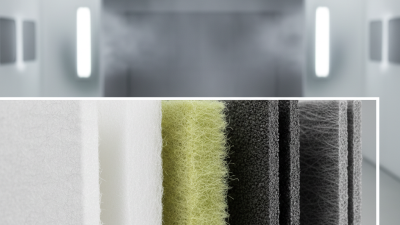
Different types of filter materials exist, each with unique properties. Some are made from synthetic fibers, while others utilize natural materials. The choice of filter often depends on the specific requirements of the spray booth. Filters must be regularly checked for efficiency. Over time, they can become clogged, leading to poor airflow and increased airborne pollutants. It's essential to monitor and replace filters promptly to ensure optimal performance.
Despite their importance, many facilities overlook the significance of quality filters. Some operators may think any filter will suffice. Ignoring this aspect can result in larger issues, such as health risks and increased maintenance costs. A more informed approach can enhance safety and operational efficiency, highlighting the need for continual education in filter material usage.
Types of Spray Booth Filter Materials Available
Spray booth filter materials are crucial for maintaining air quality in industrial settings. Several types are used, each serving distinct purposes. Common options include paint arrestor filters, which capture overspray and particulate matter. They help keep the workspace clean and reduce air pollution.
Another type is the electrostatic filter, which uses an electrical charge to attract particles. This method can be more effective at trapping smaller contaminants. Additionally, some filters are designed for specific paints or coatings, enhancing their efficacy. No single filter fits all scenarios; the choice depends on the application.
Users must also consider the filter's longevity. Filters clog over time, impacting performance. Regular inspection and replacement are necessary. Inadequate maintenance can lead to compromised air quality. Choosing the right filter involves understanding both the material and the specific needs of the spray booth.
How Spray Booth Filters Work in Air Filtration
Spray booth filters play a crucial role in air filtration within various industries. These filters work by trapping harmful particles, vapors, and overspray from paints used in the spray painting process. According to a report by the American Coatings Association, proper filtration can reduce pollution levels by up to 70%. This highlights the importance of maintaining clean air quality.
Filter materials typically include fiberglass or synthetic media designed to capture airborne contaminants efficiently. When air passes through these filters, smaller particles are trapped while clean air is allowed to flow through. This process minimizes the risk of worker exposure to hazardous substances. Data from the U.S. Occupational Safety and Health Administration indicates that effective air filtration can lower respiratory issues related to paint fumes by 50%.
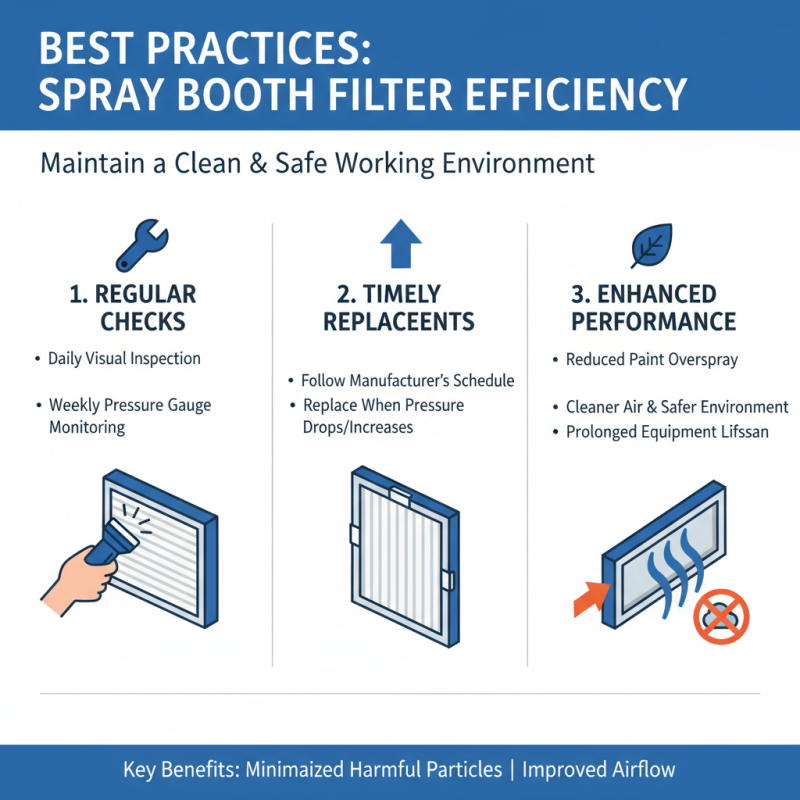
Tips: Regularly check and replace filters to maintain optimal performance. Always monitor the pressure drop across filters to catch issues before they escalate. Underestimating filter maintenance can lead to increased costs and reduced safety.
Sustainability is also a concern. Many filters are made from non-biodegradable materials. Industries are now exploring alternatives that are eco-friendly and efficient. Investing in innovative filtering solutions can mitigate environmental impact while ensuring air quality standards are met. An honest review of current practices can reveal potential areas for improvement.
Importance of Spray Booth Filter Material in Air Filtration
Importance of Spray Booth Filters in Maintaining Air Quality
Spray booth filters play a crucial role in ensuring air quality within industrial environments. These filters are designed to capture paint overspray, dust, and harmful particles. A study by the American Industrial Hygiene Association indicates that effective air filtration can reduce airborne contaminants by up to 95%. This significant reduction is essential for worker safety and compliance with environmental regulations.
The importance of maintaining high air quality cannot be overstated. Poor air quality can lead to respiratory issues and other health concerns among workers. According to the U.S. Environmental Protection Agency, indoor air can be up to five times more polluted than outdoor air. Regularly replacing spray booth filters is vital for maintaining a clean and safe environment. However, many facilities overlook this maintenance task, which can compromise air quality and increase the risk of hazardous exposure.
Improper filtration can also lead to operational inefficiencies. For instance, a clogged filter can cause a decrease in airflow, resulting in uneven spray application. This not only affects product quality but also increases waste and operational costs. Industry reports suggest that businesses can lose up to 20% in productivity due to inadequate filtration systems. To safeguard both employee health and the quality of the finished product, investing in proper spray booth filter systems is essential.
What is Spray Booth Filter Material and Its Importance in Use?
| Filter Material Type |
Efficiency (%) |
Lifespan (hours) |
Application |
Environmental Impact |
| Fiberglass |
90 |
1500 |
Automotive Paint |
Low |
| Polyester |
85 |
1000 |
Industrial Coatings |
Medium |
| Activated Carbon |
95 |
500 |
Odor Control |
High |
| HEPA |
99.97 |
2000 |
Fine Particulate Matter |
Low |
| Electrostatic |
98 |
1200 |
Dust and Paint Overspray |
Medium |