What is Spray Booth Paint Filter and How Does It Work?
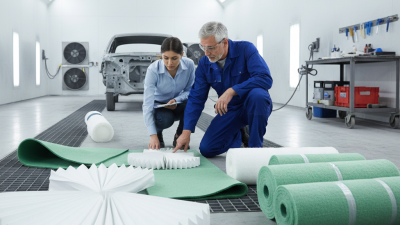
In the world of automotive painting, the "Spray Booth Paint Filter" plays a crucial role. Renowned industry expert, John Anderson, once stated, "A quality paint filter is essential for delivering the best finish." This highlights the importance of filters in maintaining the integrity of painted surfaces.
Spray booth paint filters capture overspray and particulate matter, ensuring a clean environment. Without these filters, contaminants can mar the final product. The effectiveness of a spray booth filter directly impacts the quality of the paint job. High-quality filters minimize defects and improve paint adhesion.
However, choosing the right filter can be challenging. There are different types and specifications to consider. Many professionals overlook the significance of regular maintenance. Filters must be replaced to prevent inefficiency. Relying on one type of filter may not suit all applications. Understanding the various options is essential. Investing in proper filters ensures not just quality, but also safety in the workspace.
What Is a Spray Booth Paint Filter?
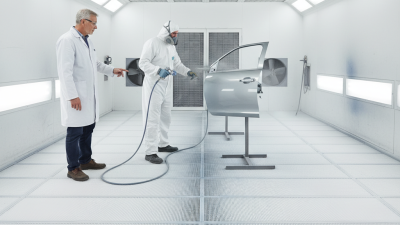
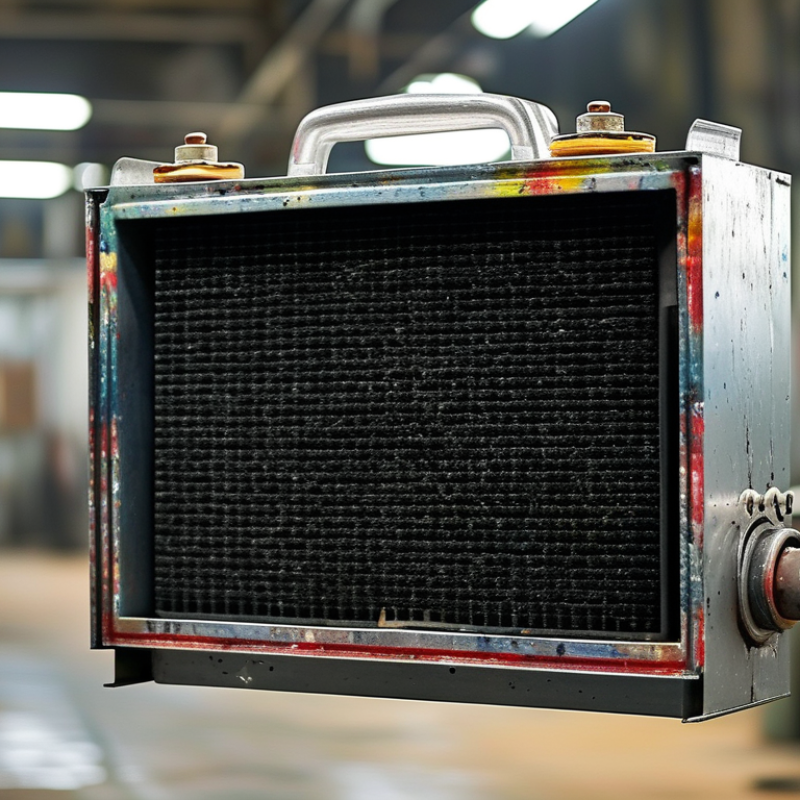
A spray booth paint filter is an essential component in paint application processes. It plays a crucial role in maintaining air quality and preventing paint particles from contaminating the environment. The filter captures overspray, dust, and other impurities before they escape into the atmosphere.
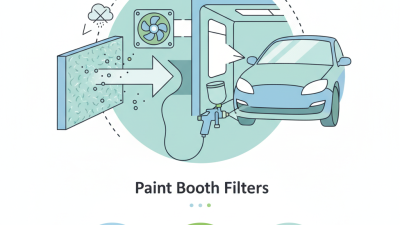
When using a spray booth, specialized filtration systems are integrated into the environment. These filters can range from simple to complex designs, depending on the facility's needs. They work by forcing air through layers of filtering media, which trap unwanted particles. This process minimizes the risk of contamination on painted surfaces. However, filters can become clogged over time, reducing efficiency and requiring regular inspection and replacement.
Inadequate maintenance of the filters can lead to overspray buildup, affecting the overall painting quality. Users may overlook the importance of timely filter changes, resulting in increased air pressure and uneven airflow. This imbalance can alter the painting process, impacting the final finish. Therefore, consistent monitoring and understanding of filter functions are crucial for optimal performance.
The Purpose of Spray Booth Paint Filters in Painting Processes
Spray booth paint filters play a crucial role in painting processes.
These filters capture overspray, paint particles, and contaminants. Without them, air quality can deteriorate quickly.
Poor air quality can lead to health issues for workers.
It is essential to maintain a clean environment during painting.
The effectiveness of these filters impacts both the quality of the final product and the safety of the workplace.
A clogged filter reduces airflow, leading to uneven paint application.
This inconsistency can frustrate operators and result in costly rework.
Regular maintenance and timely replacement of filters are necessary to ensure optimal performance.
Another challenge is choosing the right type of filter for specific applications.
Different coatings require specific filter materials.
Incorrect choices can hinder productivity.
Understanding these nuances helps operators maintain efficiency.
Continuous improvement in filter technology adds complexity but offers better solutions.
Types of Spray Booth Paint Filters and Their Materials
Spray booth paint filters play a crucial role in paint application processes. They help in capturing overspray and particulate matter, ensuring a cleaner environment. There are several types of filters, each designed with specific materials to address different needs.
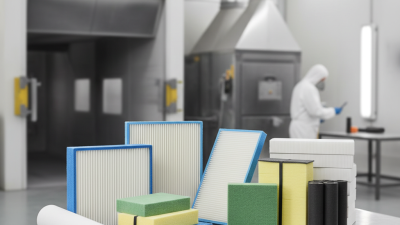
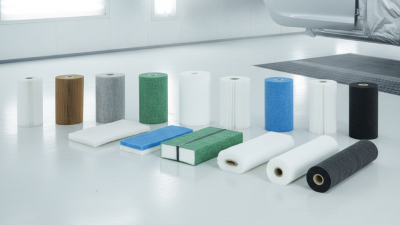
One common type is the paint arrestor filter. This filter typically consists of synthetic or fiberglass materials. It traps large paint particles effectively. Another type is the HEPA filter, known for its high-efficiency particulate capturing capabilities. HEPA filters can size particles down to 0.3 microns. They are ideal for maintaining air quality in environments where precision is critical.
Polyester and cotton filters are also widely used. They are often employed in various painting applications due to their absorbent properties. Their design allows for effective moisture management as well. However, some filters can become clogged quickly, leading to reduced airflow. Regular inspection and replacement are necessary. Maintenance is key to ensuring optimal performance. Each type of filter has advantages and limitations. Understanding these can maximize efficiency in the painting process.
What is Spray Booth Paint Filter and How Does It Work? - Types of Spray Booth Paint Filters and Their Materials
| Filter Type |
Material |
Efficiency |
Application |
| Electrostatic Filters |
Electrostatic Media |
95%+ |
Used for fine particles |
| Fiberglass Filters |
Fiberglass |
80% - 90% |
General paint booth usage |
| Paper Filters |
Cellulose or Synthetic Paper |
60% - 80% |
Economical choice for light usage |
| Polyester Filters |
Polyester |
90%+ |
Medium to heavy application |
| Activated Carbon Filters |
Activated Carbon |
N/A |
Odor control and VOC absorption |
How Spray Booth Paint Filters Work in Air Filtration
Spray booth paint filters are essential components in maintaining air quality during painting processes. They work by capturing airborne contaminants. According to the EPA, approximately 10% of volatile organic compounds (VOCs) can be released into the air during paint application. Effective filtration reduces these emissions, protecting both workers and the environment.
When air is drawn into the spray booth, it passes through multiple layers of filtration. The first layer captures larger particles, while subsequent layers target finer particles and airborne solvents. Studies from the National Institute for Occupational Safety and Health (NIOSH) indicate that proper filtration can cut VOC emissions by as much as 30%, significantly improving air quality.
However, not all spray booth filters are created equal. Some may not effectively reduce harmful chemicals. Regular monitoring and replacement are crucial. The efficiency of a spray booth can diminish over time, necessitating consistent evaluation. An industry report from the American Institute for Conservation suggests a minimum replacement frequency of every 3-4 weeks to maintain optimal filtration performance. Regular assessment of filter performance is vital for safety in painting environments.
Air Filtration Efficiency of Different Spray Booth Paint Filters
Maintenance and Replacement of Spray Booth Paint Filters
Spray booth paint filters play a crucial role in ensuring a clean and efficient painting environment. Regular maintenance and timely replacement of these filters are essential to optimize performance. According to industry reports, replacing filters every 3 to 4 weeks is a best practice. This routine helps to maintain air quality and prolongs the lifespan of equipment.
Neglecting filter maintenance can lead to subpar paint finishes. Contaminants trapped in dirty filters can release back into the air. This not only impacts the quality of the paint job but can also harm workers' health. A study found that filters can clog within just a few days in high-demand environments, making it necessary to adjust maintenance schedules.
Replace filters when they show signs of heavy saturation. This includes discoloration, noticeable dirt buildup, or lowered airflow. Using a pressure gauge can provide insights into filter performance. Regular checks can prevent unexpected downtime. Understanding the maintenance cycle can save costs and enhance productivity, reinforcing the importance of a proactive approach to filter care.