Top Large Hepa Filter Manufacturers for Global Buyers?
The global market for Large Hepa Filters has witnessed significant growth, driven by rising demand for air purification. According to a report by MarketsandMarkets, the Large Hepa Filter market is projected to reach USD 4.6 billion by 2025, growing at a robust CAGR of 6.5%. This data highlights the increasing importance of reliable air filtration systems in various sectors, from healthcare to manufacturing.
Industry expert Dr. Emily Chen, a notable figure in air quality technology, asserts, "The efficiency of Large Hepa Filters is crucial for maintaining clean environments." This statement emphasizes the role of these filters in ensuring safe spaces for people and processes. With growing awareness of air quality issues, manufacturers must innovate to meet evolving standards and consumer expectations.
Yet, the industry faces challenges, such as fluctuating raw material prices and the need for sustainable practices. Striking a balance between cost-efficiency and environmental responsibility remains a pressing concern for Large Hepa Filter producers. Companies must navigate these complexities to maintain their leadership in the market while ensuring the longevity of their products and practices.
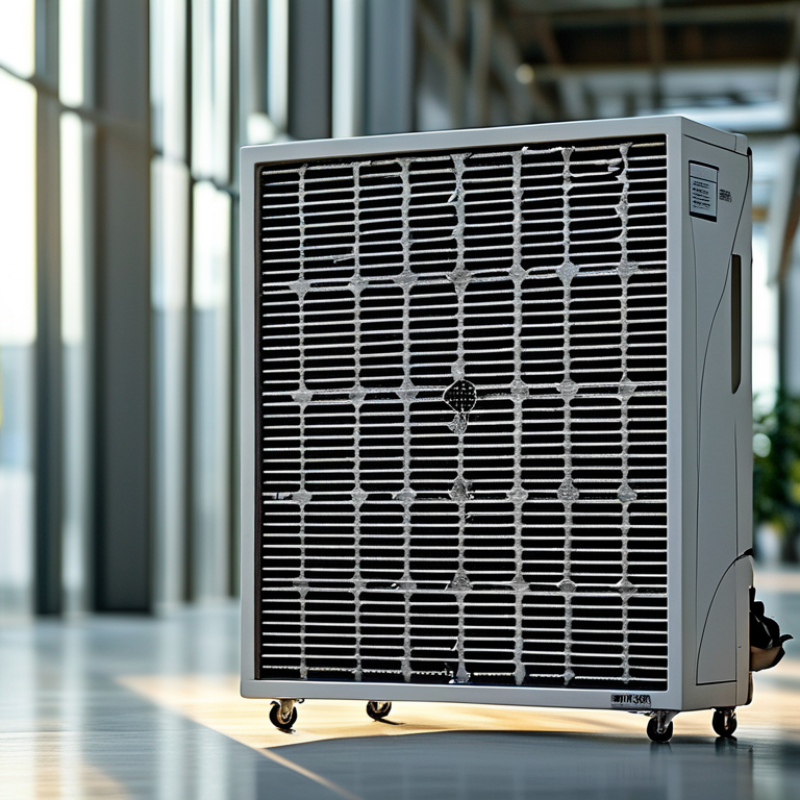
Top Global Hepa Filter Manufacturers: Market Overview and Key Players
HEPA filters are crucial in various industries. They capture particles and allergens, improving air quality. The global market for HEPA filters is expected to reach $8.06 billion by 2026, according to industry reports. The growing demand for clean air in healthcare and residential sectors drives this growth. Key players in this market focus on innovation to enhance filtration efficiency.
Recent trends show that the use of HEPA filters is expanding beyond traditional applications. Many manufacturers are investing in advanced technologies to meet stringent air quality standards. This commitment to innovation reflects a deep understanding of environmental challenges. However, some producers face difficulties in scaling operations effectively. This could limit their ability to meet rising demand.
Tips: When selecting a HEPA filter, consider the application carefully. Always check the filter's efficiency rating and ensure it meets your needs. Quality and performance can vary widely among manufacturers. Investing in reliable data is crucial for making informed decisions.
Leading Hepa Filter Manufacturers by Revenue and Market Share in 2023
In 2023, the HEPA filter market continues to thrive, driven by air quality concerns globally. Several manufacturers stand out with significant revenue and market shares. The demand for HEPA filters is expected to grow substantially, with industry reports indicating a projected CAGR of around 7% over the next five years.
Notably, leading manufacturers emphasize innovation. They invest heavily in R&D to enhance filter efficiency and longevity. Advanced materials and design techniques are vital in developing high-performance filters. Recent data shows that filters with activated carbon layers significantly improve air purification results.
**Tips:** When choosing HEPA filters, assess the MERV (Minimum Efficiency Reporting Value) rating. Higher ratings indicate better filtration. Additionally, consider the filter's lifespan for cost-effectiveness and performance.
Be mindful of the challenges manufacturers face, such as supply chain disruptions and rising raw material costs. These issues can impact product availability and pricing. Staying informed about market trends will help buyers make better purchasing decisions. Understanding these complexities can lead to more effective procurement strategies in this vital industry.
Top Large Hepa Filter Manufacturers for Global Buyers
| Manufacturer |
Revenue (USD Million) |
Market Share (%) |
Headquarters Location |
Years in Business |
| Company A |
450 |
25 |
USA |
20 |
| Company B |
320 |
18 |
Germany |
15 |
| Company C |
290 |
12 |
Japan |
30 |
| Company D |
240 |
10 |
China |
25 |
| Company E |
230 |
9 |
South Korea |
22 |
Innovative Technologies in Hepa Filter Production: A Focus on Quality
In the competitive landscape of HEPA filter manufacturing, innovation in technology is crucial. Recent industry reports indicate that advanced production techniques can enhance filter efficiency significantly. The global HEPA filter market is projected to grow by 6.7% annually through 2027, driven by increasing demand in sectors like healthcare and industrial air purification.
Quality remains paramount in HEPA filter production. Manufacturers are employing innovative materials and filtration media that provide better particle capture rates. Research shows that filters using high-quality fibers can trap 99.97% of particles as small as 0.3 microns. This level of performance underscores the need for continuous investment in R&D within this industry. Yet, not all manufacturers meet these high standards. Some may cut costs by using inferior materials or outdated technologies, which can compromise air quality.
Environmental considerations are also gaining traction. Eco-friendly production processes and sustainable materials are becoming essential. This shift is part of a broader trend where manufacturers strive for compliance with environmental regulations while maintaining product efficacy. Balancing these aspects can be challenging but is necessary to meet both consumer expectations and regulatory requirements.
Regional Analysis of Hepa Filter Demand: Trends and Forecasts
The demand for HEPA filters is rising globally. This trend is driven by increasing awareness of air quality. More industries are adopting HEPA filters to ensure cleaner air. Healthcare facilities are a key sector, prioritizing patient safety and wellbeing.
Regional analysis shows varying demand for HEPA filters. The Asia-Pacific region exhibits robust growth in the market. Urbanization and industrialization contribute to higher air pollution levels. Europe follows closely, emphasizing environmental regulations and health standards. However, North America faces challenges. The market is competitive, yet innovation is needed to meet diverse requirements.
Interestingly, consumer preferences are shifting. Many seek filters that are sustainable and efficient. However, not all manufacturers keep up with these demands. There’s a gap between what buyers want and what is available. Companies must adapt to these changes to remain relevant. This presents both challenges and opportunities for growth.
Sustainability Practices Among Top Hepa Filter Manufacturers and Their Impact
The global demand for HEPA filters is rising steadily.
Sustainability practices are crucial among manufacturers.
These practices not only help the environment but also enhance business credibility. According to a recent industry report,
up to 70% of consumers prefer eco-friendly products. This trend is reshaping the landscape of HEPA filter manufacturing.
Many manufacturers are adopting green technologies. This includes using recycled materials and energy-efficient processes.
A significant report by the Environmental Protection Agency (EPA) noted that
sustainable manufacturing can reduce carbon emissions by up to 30%.
While the initial investment in sustainability may be high, the long-term benefits are clear.
Companies can improve their brand image and meet consumer demands effectively.
Tips for manufacturers: Assess your current practices.
Identify areas for improvement. Explore partnerships with eco-friendly suppliers.
Consumers are increasingly looking for responsible manufacturing. Reflecting on these practices can lead to better organizational strategies.
Being sustainable is not just a trend; it is a necessity for future growth.