Top 10 Laminar Flow Hood Filters for Global Buyers?
In the world of cleanroom technology, the importance of a high-quality "Laminar Flow Hood Filter" cannot be overstated. According to a recent report by MarketsandMarkets, the global cleanroom equipment market is projected to reach $4.45 billion by 2025, driven by advancements in pharmaceutical and biotechnology sectors. As facilities strive to maintain contamination-free environments, the role of laminar flow hood filters becomes critical.
Dr. Amelia Chen, an expert in cleanroom design, emphasizes, “The efficiency of a laminar flow hood filter can significantly impact both product quality and safety.” This highlights the need for careful selection when considering filters. The challenge lies in not only sourcing the right products but also understanding their performance metrics.
While many options exist, discerning buyers must navigate varied specifications and manufacturer claims. The complexities of filter grades, airflow dynamics, and maintenance requirements can be daunting. Insightful evaluations are essential. It is crucial to reflect on past choices, as they directly influence operational efficiency. A wise selection of laminar flow hood filters can safeguard against contamination risks and enhance overall outcomes in cleanroom practices.

Overview of Laminar Flow Hood Technology
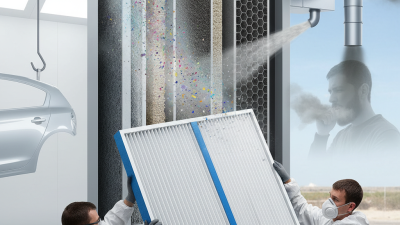
Laminar flow hood technology plays a critical role in maintaining a contamination-free environment. These specialized units provide a sterile workspace by directing a continuous flow of filtered air. This process reduces the risk of airborne contaminants affecting sensitive processes. The air flows unidirectionally, ensuring that particles are consistently swept away from the work area.
Choosing the right filter for laminar flow hoods is crucial. High-efficiency particulate air (HEPA) filters are common for their reliable ability to trap 99.97% of particles. Likewise, understanding the importance of filter maintenance cannot be overlooked. Regular checks will help in avoiding the potential pitfalls of using a clogged filter.
Tips: Always consult technical specifications before selecting a filter. Consider the airflow rate and filter longevity features. Ensuring compatibility with your specific laminar flow hood model can prevent unnecessary complications. Regular inspections can increase the lifespan of your equipment, while negligence might lead to costly repairs down the line.
Criteria for Selecting High-Quality Filtration Systems
When selecting a filtration system for laminar flow hoods, several criteria are crucial. Observe the filter’s efficiency rating. This rating indicates how well the filter can remove particles from the air. Look for HEPA filters, as they capture at least 99.97% of particles larger than 0.3 microns. This ensures a clean air supply in critical environments.
Another essential aspect is the filter's lifespan. Most filters require replacement at regular intervals. Ignoring this can compromise air quality. The construction material matters, too. Choose filters made from durable materials to withstand prolonged use.
Consider the airflow characteristics of the filter. A balanced airflow promotes better performance. Check for uniform air distribution and low noise levels. Feedback from users is invaluable. Reflecting on real experiences can highlight potential issues and performance limitations. It’s essential to weigh user reviews against theoretical specifications. A combination of expert guidance and practical experience will lead to better decision-making in selecting high-quality filtration systems.
Top 10 Laminar Flow Hood Filters: Features and Specifications
When choosing laminar flow hood filters, consider their features and specifications. The right filter ensures a clean environment for sensitive processes. Key specifications include the type of material used, filter efficiency, and airflow velocity. A good filter can capture particles as small as 0.3 microns. This is vital in laboratories and pharmaceutical settings.
Tips: Look for filters that meet HEPA or ULPA standards. Regular maintenance is crucial. Check the filter's lifespan and replace it as needed. A well-maintained filter enhances performance and protects your work from contamination.
Consider the installation size and compatibility with your hood. Dimensions can vary widely, impacting airflow. Ensure that the filter fits snugly, as gaps may compromise air quality. It's worth noting that not all filters perform equally in different environments. Conduct thorough research before making a decision.
Top 10 Laminar Flow Hood Filters for Global Buyers
| Filter Type |
Efficiency (%) |
Particle Size (Microns) |
Dimensions (mm) |
Weight (kg) |
Lifespan (Hours) |
| HEPA |
99.97 |
0.3 |
610 x 610 |
5 |
2000 |
| ULPA |
99.999 |
0.1 |
610 x 610 |
5 |
3000 |
| Activated Carbon |
N/A |
N/A |
610 x 610 |
6 |
1200 |
| Pre-Filter |
80-90 |
5 |
610 x 610 |
4 |
800 |
| Pocket Filter |
85 |
10 |
600 x 600 |
3.5 |
1000 |
| Synthetic Filter |
95 |
0.5 |
610 x 610 |
5.5 |
1500 |
| Cellulose Filter |
90 |
1 |
610 x 610 |
4.5 |
1200 |
| Electrostatic Filter |
95 |
0.5 |
610 x 610 |
5 |
1800 |
| Microglass Filter |
99.97 |
0.3 |
610 x 610 |
5 |
2500 |
Comparative Analysis of Pricing and Performance for Buyers
Selecting the right laminar flow hood filter involves understanding pricing and performance. Different filters offer various levels of efficiency. Often, higher efficiency filters come with a more significant price tag. Buyers must weigh the initial cost against the long-term benefits of filter performance. Economical options might not provide adequate protection for sensitive applications.
Evaluating performance metrics is crucial. Some filters provide a higher air change rate but may sacrifice filtration effectiveness. Others may excel in one area while underperforming in another. This balance can affect laboratory results. Understanding these dynamics can aid buyers in making informed decisions. A filter that works for one setup may not be suitable for another.
Additionally, conducting an analysis of industry standards is essential. Many filters meet basic regulations but vary in quality. A filter's lifespan could also impact overall costs. Some buyers might overlook this factor, leading to frequent replacements. Therefore, aligning filter selection with specific needs is an ongoing challenge in the market.
Comparative Analysis of Laminar Flow Hood Filters
Maintenance and Care Tips for Laminar Flow Hood Filters
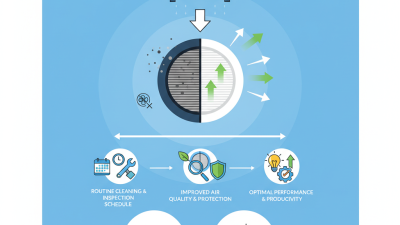
Maintaining laminar flow hood filters is crucial for ensuring optimal performance. Regular inspections should be a part of your routine. Check filters for visible dust or contamination. If you notice significant buildup, it may be time for a replacement. Follow manufacturer guidelines for specific maintenance schedules. This can vary widely depending on usage and environment.
Proper cleaning is essential. Use a soft cloth and designated cleaners to avoid damaging the filter. Harsh chemicals can harm the integrity of the filter material. Gentle care can extend the lifespan of your equipment significantly. Remember to ensure that the hood is turned off before cleaning to prevent contamination.
Lastly, be mindful of the surroundings. High foot traffic can introduce additional particulates into the air. This can lead to premature wear of your filters. Designate specific times for use to minimize exposure. Reflect on your environment. Are there factors contributing to filter degradation? Addressing these can improve filter efficiency and overall safety.