Top 10 Paint Booth Filter Wall Options for Global Buyers?
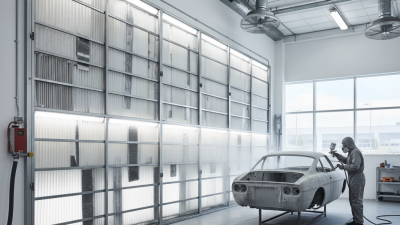
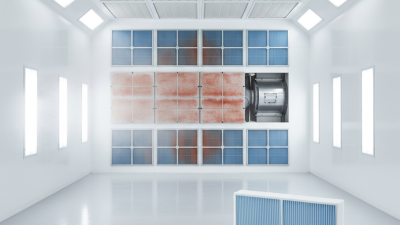
In the competitive world of manufacturing and automotive refinishing, the importance of a reliable Paint Booth Filter Wall cannot be overstated. According to the latest industry reports, using efficient filtration systems can enhance paint quality and worker safety. A well-designed filter wall is essential for capturing airborne contaminants, thus ensuring smoother finishes and reducing rework costs.
Data from the International Air Quality Association indicates that proper filtration can lead to a 30% reduction in airborne pollutants within paint booths. This statistic highlights the crucial role of Paint Booth Filter Walls in maintaining a clean environment. However, not all options available in the market are equally effective. Some products may fail to meet performance standards, leading to increased operational costs and health risks.
When selecting a Paint Booth Filter Wall, it’s vital to consider factors such as material type, airflow dynamics, and filtration efficiency. Many buyers overlook these details, leading to poor outcomes in their operations. Often, companies hastily choose the cheapest options without assessing their long-term impact. To truly enhance air quality and painting results, a thoughtful evaluation of filter wall options is essential.
Understanding the Importance of Paint Booth Filters in Manufacturing
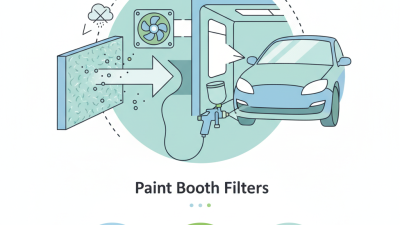
In manufacturing, paint booth filters play a crucial role in ensuring product quality and workplace safety. These filters trap harmful particles, including overspray and volatile organic compounds (VOCs). According to the EPA, VOCs are a leading cause of indoor air pollution. Using effective filters can reduce exposure, protecting both workers and products.
Choosing the right filter involves understanding your specific needs. Factors like the type of paint, booth design, and production volume impact filter selection. For example, high-efficiency particulate air (HEPA) filters can capture 99.97% of particles, which is essential for sensitive applications. Regular maintenance and timely replacements are key to performance.
Tip: Always check manufacturer specifications to ensure compliance with safety standards. Consider having a dedicated team responsible for monitoring filter conditions periodically to avoid potential issues. Remember, overlooking filter maintenance can lead to contamination and costly rework. Prioritize a proactive approach to filter management to maintain air quality and operational efficiency.
Types of Paint Booth Filter Walls Available in the Market
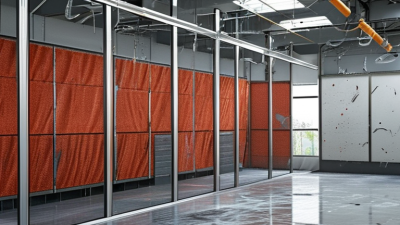
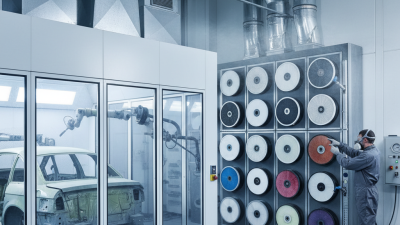
When it comes to paint booth filter walls, there are various types to explore. These filter walls play a crucial role in maintaining air quality in painting environments. The most common types include fiberglass filters, polyester filters, and disposable filter walls.
Fiberglass filters are known for their durability and efficiency in capturing paint overspray. They can last longer than some alternatives, making them a popular choice.
Polyester filters offer a different approach. These filters excel at trapping particles and can be easily cleaned. They are often favored for their lower maintenance costs.
Disposable filter walls are designed for convenience, as they can be replaced quickly without the hassle of cleaning. However, they may not be as environmentally friendly due to waste concerns.
While each type has its advantages, buyers should assess their specific requirements. Consider factors like air quality standards and budget constraints. Additionally, evaluating the longevity and maintenance needs of each option is important. Some users have noted challenges with different filter types, leading to unexpected expenses. Understanding these aspects can enhance decision-making and promote better operational efficiency in paint booths.
Key Features to Consider When Choosing Paint Booth Filter Walls
When choosing paint booth filter walls, several key features should guide your decision. The material of the filters plays a crucial role in performance. High-quality synthetic media is often more effective at capturing particulate matter. This leads to cleaner air and better finishes on painted surfaces. Ensure the walls can withstand the solvents typically used in your applications. Consider the filter's efficiency rating too. A higher rating means better protection for both the environment and your health.
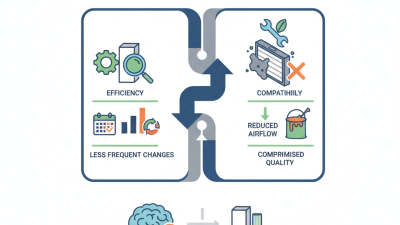
Maintenance is another important factor. Some filter walls require more frequent replacements than others, leading to higher operational costs. Look for options with easy access to filter elements. This simplifies maintaining a clean booth. Keep in mind that not all filters perform well in all conditions. Test different filters to see what works best in your environment. It’s an imperfect science, and what works for one application might not work for another.
Lastly, consider the size and design. Filter walls need to fit seamlessly into your existing booth. A poor fit can reduce their effectiveness. Be vigilant about these choices. Taking the time to evaluate your options will lead to a more efficient painting process. Always be ready to reassess your choices as technology advances. This journey demands careful consideration and flexibility.
Comparative Analysis of Top Paint Booth Filter Wall Brands
When considering paint booth filters, several brands emerge as leaders. An industry report from the American Coatings Association indicates that over 60% of paint booths utilize HEPA filters. These filters capture particles as small as 0.3 microns, which enhances air quality. However, not every filter offers the same efficiency. Some brands report a lower dust holding capacity, necessitating more frequent replacements.
Evaluating various brands reveals distinct differences. For instance, filtration efficiency and airflow resistance play a crucial role in performance. A recent survey found that buyers often overlook these factors, leading to suboptimal choices. It is essential to connect filtration effectiveness with air speed to prevent costly downtimes. Additionally, various materials serve different purposes in paint applications, highlighting the importance of choosing the right type.
Cost is another significant consideration. A cost analysis shows that while higher-quality options may seem expensive initially, they often prove to be more cost-effective over time. Longevity and lower maintenance needs can justify the investment. Manufacturers frequently update their technologies, which illustrates the need for buyers to stay informed. This landscape can be challenging to navigate, and reflection on choices can lead to better outcomes.
Global Trends in Paint Booth Filter Wall Usage and Regulations
As global regulations surrounding paint booth environments evolve, understanding the best practices for paint booth filter walls becomes crucial. Many industries are moving towards stringent air quality standards. Compliance with these regulations ensures not only safety but also enhances operational efficiency.
When selecting filter walls, consider local regulations. They can significantly affect the choice of materials and installation methods. Each region may have specific requirements that impact air filtration. For example, some areas mandate higher efficiency ratings for filters used in booths. This reality emphasizes the need for thorough research before purchasing.
**Tip:** Always review safety data sheets for materials used in filter walls. They provide vital information on handling and disposal.
Furthermore, adapting to modern filtration technology can be challenging. Innovations are frequent, which makes keeping up difficult. Regular training for staff on new systems is essential. In some cases, older systems may need retrofitting. This can be a tough decision but necessary for compliance.
**Tip:** Schedule regular maintenance checks. This helps identify issues before they escalate, ensuring a safe work environment.