Top 5 Tips for Choosing the Best Paint Booth Filters?
When it comes to selecting the best paint booth filters, expertise is invaluable. According to renowned expert John Smith, “Choosing the right filters can significantly impact the quality of your paint jobs.” Paint booth filters are crucial for creating a safe, clean workspace in any painting operation.
Understanding the types available is essential. Options range from high-efficiency particulate air (HEPA) filters to more standard variants. Each type serves a unique purpose. The effectiveness of your filters can directly affect your finish quality and worker safety. Yet, many overlook this critical aspect.
Evaluating the specific needs of your facility is key. Not all filters work in all situations. For instance, humidity levels and paint types can influence filter performance. Careful consideration may prevent costly mistakes down the line, reinforcing the importance of making informed choices about paint booth filters.
Understanding Different Types of Paint Booth Filters
When choosing paint booth filters, understanding their types is crucial. Different filters serve different purposes. For instance, particulate filters capture dust and debris, ensuring a cleaner environment. These are essential in maintaining air quality during painting processes. However, they may not effectively control fumes.
Chemical filters, on the other hand, are designed to absorb VOCs and odors. They are vital for achieving a safe workspace. Using the wrong type of filter can lead to safety hazards. It’s important to assess the specific needs of your booth. Not all filters offer the same level of protection.
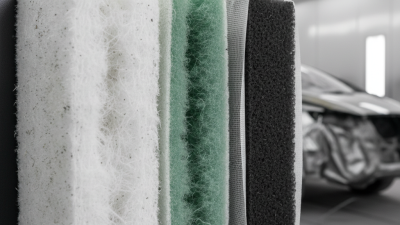
Another option is multi-stage filters, which combine various functions. While they might provide comprehensive filtration, they can also be more costly and complex. Assessing cost versus benefit is necessary. Choosing based on surface-level features may result in inadequate protection. Evaluating your specific needs allows for better decision-making.
Evaluating Filter Efficiency Ratings for Optimal Performance
When selecting paint booth filters, understanding filter efficiency ratings is crucial. These ratings determine how well a filter can trap particles and contaminants. Higher efficiency means cleaner air and better performance. Filters are often rated based on their ability to capture particles of varying sizes. A filter that effectively traps small particles is ideal for any painting operation.
Look for filters with high Minimum Efficiency Reporting Values (MERV). A MERV rating between 8 and 13 often balances cost and performance. However, some filters may be rated high but have limitations in real-world applications. Always compare the stated efficiency to actual performance data. It's not uncommon for manufacturers to promote filters that do not live up to their claims.
Many users discover issues after purchasing. Filters that are too dense can restrict airflow, reducing booth performance. This can lead to uneven paint application and increased drying times. Consider using pre-filters to extend the life of your main filter, enhancing overall efficiency. Small changes in your filter choices can lead to significant improvements in your paint booth's operation.
Considering the Size and Compatibility of Filters
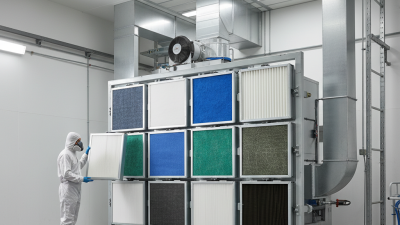
When selecting paint booth filters, size and compatibility are crucial factors. Each booth has specific space requirements, which can impact filter effectiveness. Measure the filter area accurately before purchasing. Oversized filters can hinder airflow, while undersized filters may not capture particles effectively.
Compatibility with your equipment is just as important. Some filters work better with particular air handling systems. Research the type of filter media best suited for your spraying method. Avoid falling into the trap of solely relying on generic advice. Filter design, pleat count, and material all play vital roles in performance.
It’s common to overlook maintenance, too. Regularly check filter fit and condition. A poorly fitting filter can lead to airflow issues and increased costs over time. Reflect on your previous choices. Have they served your booth well? Always consider the balance between cost and quality. Investing in the right size and compatible filters boosts both efficiency and air quality in your workspace.
Top 5 Tips for Choosing the Best Paint Booth Filters
This chart represents the key factors to consider when choosing paint booth filters, measured on a scale of importance from 1 to 10. The dimensions include Size, Compatibility, Material Type, Filtration Efficiency, and Cost Efficiency.
Assessing Maintenance Requirements and Replacement Frequency
Choosing the right paint booth filters is crucial for maintaining a clean environment. One of the essential factors to consider is maintenance requirements. Regular maintenance ensures optimal performance and prolongs the life of your filters. Industry standards suggest that filters should be inspected weekly. This inspection can identify wear and potential issues early.
Replacement frequency also plays a significant role in filter effectiveness. According to a study by the National Paint and Coatings Association, filters can lose up to 50% of their particle capture efficiency after extended use. For most applications, changing filters every 30 days is advisable. However, high-demand environments may require even more frequent changes.
It's important to assess both the operational hours and the environmental conditions. Filters in dusty environments or those with high humidity may need to be replaced sooner. Skipping timely replacements can affect air quality and worker safety. Always keep a log of replacements and inspections. Regular data tracking can lead to informed decisions regarding future filter choices.
Top 5 Tips for Choosing the Best Paint Booth Filters
| Tip |
Maintenance Requirements |
Replacement Frequency |
Efficiency Rating |
Cost Range |
| Choose the Right MERV Rating |
Check weekly for buildup |
Every 1-3 months |
85-95% |
$50 - $150 |
| Consider Filter Material |
Inspect for tears monthly |
Every 2-4 months |
80-90% |
$40 - $120 |
| Evaluate Dust Holding Capacity |
Every 2 weeks |
Every 3 months |
90-95% |
$60 - $160 |
| Understand Filter Ratings |
Evaluate every month |
Every 4-6 months |
85-90% |
$30 - $100 |
| Check for Chemical Compatibility |
Inspect every 2 weeks |
As needed |
75-85% |
$20 - $80 |
Budgeting: Cost vs. Quality in Paint Booth Filters
When selecting paint booth filters, balancing cost and quality is crucial. Many industry experts recommend focusing on filter efficiency and longevity rather than just price. A study from the American Industrial Hygiene Association indicates that high-quality filters may reduce airborne contaminants by up to 95%. This is significant for maintaining a safe working environment.
Investing in cost-effective filters can save money long-term. Lower-priced options often require frequent replacements, leading to higher maintenance costs. According to industry reports, businesses that opt for mid-tier filters often see a 20% reduction in overall operating costs due to less frequent changes. However, it’s essential to analyze the specifications of filters. Not all filters labeled as "efficient" provide the same level of performance. Some may block larger particles but neglect smaller, harmful ones.
It's also important to reflect on brand trust and reliability. A strong warranty and customer support can indicate a filter’s quality. The National Institute for Occupational Safety and Health suggests that businesses prioritize filters that meet or exceed industry standards. In the end, the right balance of cost and quality can significantly impact both air quality and project outcomes.