Top 10 Paint Booth Filters for Global Buyers in 2026?
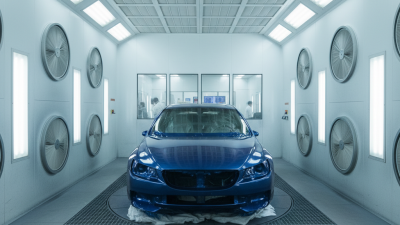
In the evolving landscape of industrial painting, selecting the right Paint Booth Filters is crucial for efficiency and compliance. These filters play a pivotal role in maintaining air quality within spray booths, ensuring both worker safety and product quality. As global industries prioritize sustainable practices, the demand for high-performance filters is bound to rise.
Understanding the nuances of various Paint Booth Filters can be overwhelming. Buyers often hesitate, faced with numerous choices and specifications. The market is filled with options, but not all filters deliver on their promises. Some filters may not capture particles effectively, leading to contamination and wasted resources. Buyers must recognize the importance of reliable, tested filters that meet industry standards.
Reflecting on past choices helps buyers make informed decisions. Researching reviews and expert recommendations builds a solid foundation. Ultimately, the right Paint Booth Filters contribute to operational excellence, safeguarding both products and personnel.
Overview of Paint Booth Filters and Their Importance
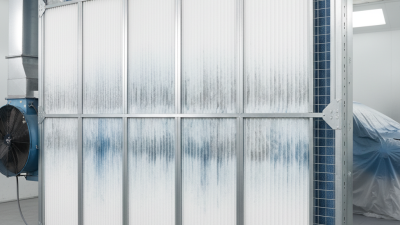
Paint booth filters play a crucial role in maintaining air quality during painting processes. They capture airborne particles, ensuring a clean environment for both workers and products. Poor air quality can lead to defects in paint jobs and health issues for workers. Selecting the right filters can enhance efficiency and improve the overall working conditions.
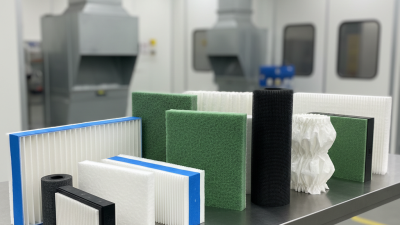
Different types of paint booth filters are available, including pre-filters and final filters. Pre-filters trap larger particles, while final filters catch smaller ones. Using these filters correctly is essential for optimal performance. However, many facilities overlook the importance of regular maintenance. Neglected filters can reduce airflow. This can lead to paint imperfections and higher operational costs.
Investing in high-quality paint booth filters reflects a commitment to safety and efficiency. Buyers should consider factors such as filter material, efficiency rating, and compatibility with existing systems. Inadequate filtering can undermine painting efforts and affect final product quality. It’s crucial for businesses to assess their filtration needs and make informed decisions for better outcomes.
Criteria for Selecting the Best Paint Booth Filters
When selecting the best paint booth filters, several key criteria come into play. Efficiency is paramount. Look for filters that capture particulate matter effectively. High-efficiency filters can significantly improve air quality. Consider the type of materials used. Filters made from synthetic fibers often provide better durability and performance. Assess the flow rate as well, as this will impact the overall airflow in the booth.
The filter's lifespan is another essential factor. Longer-lasting filters reduce replacement frequency and maintenance costs. However, don’t overlook the importance of initial cost versus long-term savings. It’s wise to evaluate how often you'll need to replace a filter. Remember, not all filters are created equal. Brands may have various specifications, but real-world performance can differ.
Installation and compatibility should also be considered. Ensure that the filter fits well within your existing paint booth. A poor fit can defeat the purpose of having a high-quality filter. Finally, look for user reviews and expert recommendations. Real feedback from users provides valuable insight into product reliability. Making an informed choice is crucial for optimal performance.
Top 10 Paint Booth Filters for Global Buyers in 2026
In 2026, the global demand for paint booth filters is projected to increase significantly. According to a recent market research report, the paint booth filter market is expected to grow at a compound annual growth rate (CAGR) of 5.2% from 2021 to 2026. This growth can be attributed to the expanding automotive and aerospace industries, which require high-quality filtration systems to maintain air purity standards.
Key metrics indicate that nearly 80% of manufacturers prioritize air quality control within their facilities. Effective filtration reduces contaminants, ensuring better paint finishes. However, not all filters are created equal. Users often overlook the importance of selecting filters with the right efficiency rating. Filters must remove particulate matter while allowing adequate airflow—striking this balance is crucial yet often challenging.
In this evolving market, advancing technologies like HEPA and electrostatic filters are gaining popularity. Yet, many buyers remain confused by the myriad of options. For example, understanding MERV ratings can be daunting. Buyers may hesitate, unsure about the best choice for their specific needs. Continuous education is essential for making informed decisions. Integrating industry insights can significantly enhance filter performance and longevity.
Top 10 Paint Booth Filters for Global Buyers in 2026
Features and Benefits of Each Filter Type
When selecting paint booth filters, various types offer distinct features and benefits.
High-efficiency particulate air (HEPA) filters excel at trapping fine particles like dust and paint overspray.
These filters ensure a cleaner environment, which boosts the overall quality of the paint finish.
HEPA filters are crucial for areas where precision is vital, but they can be more expensive and require regular maintenance.
Activated carbon filters are another option, particularly for controlling odors and volatile organic compounds (VOCs).
These filters absorb unwanted smells and are ideal for spaces where paint fumes can linger.
However, their effectiveness depends on the concentration of pollutants.
Over time, they may become saturated and need replacement, which can add to operational costs.
Electrostatic filters use a charged material to attract and capture particles.
These can be quite effective in reducing airborne contaminants, but their efficiency can drop with time.
Continuous monitoring is necessary to maintain performance levels.
Choosing the right filter is not always straightforward.
Users should assess their specific needs and the filter’s lifespan versus its effectiveness.
Each filter type has pros and cons, and understanding these can lead to better decision-making.
Future Trends in Paint Booth Filter Technology
As the demand for high-quality paint finishes rises, innovations in paint booth filter technology are imperative. In 2026, industry research suggests a projected growth of 7% annually in the paint booth filter market. Key advancements focus on efficiency and sustainability. The introduction of electrostatic filters shows promise, as they capture more airborne particles and reduce overall waste.
Occupational safety remains a critical concern. Recent data highlights that advanced filters can decrease harmful exposure to volatile organic compounds (VOCs) by up to 30%. This improvement fosters a healthier work environment. However, the implementation of these technologies is not without challenges. Many facilities struggle with the initial costs and the need for regular maintenance, which can be daunting for smaller operations.
Another emerging trend is the integration of smart technology. Filters equipped with sensors can monitor airflow and saturation levels in real-time. This innovation allows for timely replacements and reduces downtime. Yet, there is skepticism about the reliability of these systems. The balance between automation and dependable manual oversight needs careful consideration moving forward. Addressing these challenges while embracing new advancements will shape future practices in the paint booth industry.
Top 10 Paint Booth Filters for Global Buyers in 2026
| Filter Type |
Efficiency Rating (%) |
Max Airflow (CFM) |
Filter Life (Months) |
Material |
| HEPA Filter |
99.97 |
800 |
12 |
Fiberglass |
| Electrostatic Filter |
95 |
1000 |
6 |
Polyester |
| Carbon Filter |
90 |
600 |
10 |
Activated Carbon |
| Pocket Filter |
85 |
1200 |
8 |
Non-woven Fabric |
| Pre-Filter |
75 |
1500 |
3 |
Synthetic Fiber |
| Mini Pleat Filter |
98 |
900 |
12 |
Cellulose |
| Bag Filter |
80 |
1100 |
9 |
Polypropylene |
| Washable Filter |
85 |
700 |
24 |
Reusable Material |
| Filter Roll |
78 |
1300 |
6 |
Paper |