2026 How to Use a Flow Hood Laminar for Safe Cleanroom Practices?
In today's advanced cleanroom environments, the implementation of a Flow Hood Laminar is essential for maintaining contamination control. Studies report that particle contamination can decrease product yield by up to 25%. This data underscores the need for reliable cleanroom technology. Flow Hood Laminar systems provide a continuous, sterile air stream, dramatically reducing airborne particles during critical processes.
The importance of proper use of Flow Hood Laminar cannot be overstated. Many facilities fail to achieve optimal airflow and cleanliness levels, which can compromise results. Proper training and adherence to protocols are key to success. Reports indicate a 15% increase in operational effectiveness when staff are well-versed in these systems. Assessing airflow patterns and conducting regular maintenance is also crucial for maximizing their efficacy.
However, reliance on technology also presents challenges. Some users may overlook the necessity of routine performance checks. This oversight may lead to potential risks in sterile environments. Reflecting on these shortcomings can help in improving safety measures and operational standards. A conscientious approach to using Flow Hood Laminar will not only ensure compliance but also enhance overall productivity in cleanroom practices.

How a Flow Hood Laminar Works in Cleanroom Environments
A flow hood laminar is essential in cleanroom environments. These devices create a controlled airflow that minimizes contamination. They achieve this by pushing air through HEPA filters, ensuring that particulates are removed. According to a report from the Institute of Cleanroom Technology, 99.97% of airborne particulates are filtered out, maintaining sterile conditions for sensitive processes.
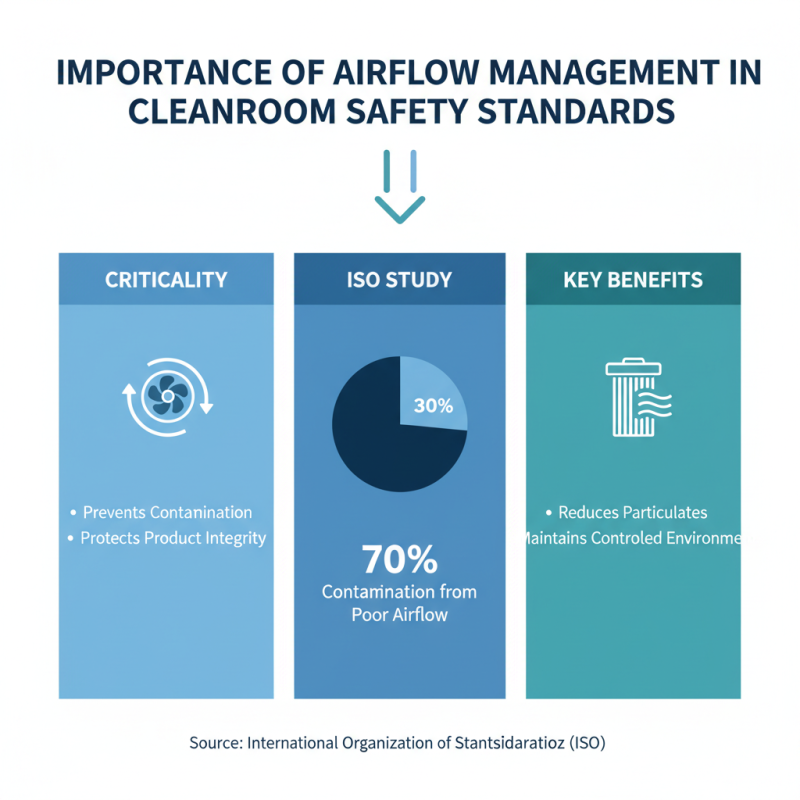
The design of the flow hood laminar allows for unidirectional airflow, which means air moves in one direction. This steady airflow helps to shield the work area from contaminants. However, placement is critical. If not positioned correctly, the airflow may not be effective. Many users overlook this detail, which can lead to higher contamination rates. A study highlighted that 30% of cleanroom failures were due to poor equipment positioning and airflow design.
Regular maintenance is vital for optimal performance. HEPA filters must be changed frequently to ensure efficiency. Dust and particulate buildup can compromise airflow. Neglecting maintenance may seem minor but can lead to significant contamination issues. The industry recommends a rigorous schedule for checking and replacing filters, ideally every six months. Cleanroom managers often need to remind staff of these practices, as complacency can lead to costly mistakes.
Best Practices for Operating a Flow Hood Laminar Effectively
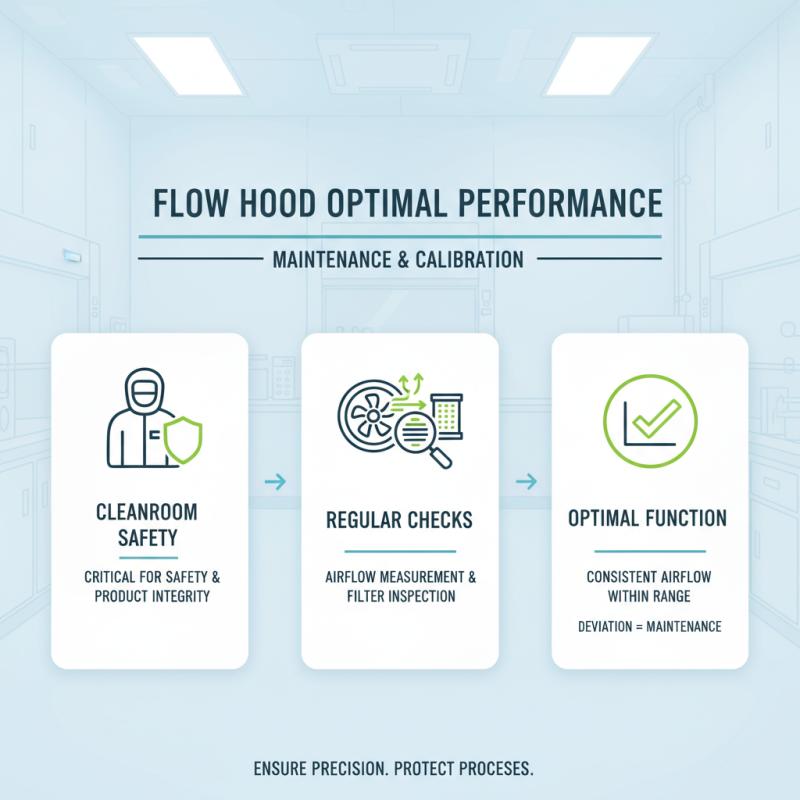
Maintaining a cleanroom environment is essential for many applications. Using a flow hood laminar effectively can greatly enhance safety and cleanliness. One crucial tip is to ensure that the flow hood is properly calibrated. Calibration ensures that air flows in a uniform manner, protecting samples from contamination. Regular checks can prevent unexpected issues.
Another best practice is to maintain a clutter-free workspace. A crowded area can introduce unnecessary particles into the air. Limit the number of items inside the flow hood. This creates a more sterile environment. Always remember to clean surfaces before and after each use. Not just with wipes, but also ensure all tools are sanitized.
Lastly, train all personnel on proper usage. Misunderstandings can lead to mistakes. Even minor errors can compromise the flow hood’s function. It's vital that everyone knows how to operate the equipment correctly. Encourage feedback and open discussions about any difficulties faced. These reflections can drive improvements and enhance overall safety. These practices can help create a more effective workflow in the cleanroom.
2026 How to Use a Flow Hood Laminar for Safe Cleanroom Practices?
| Best Practices |
Description |
Frequency of Use |
Critical Parameters |
| Pre-operational checks |
Inspect the flow hood for cleanliness and functionality. |
Before each use |
Airflow velocity, filter integrity |
| Proper attire |
Wear gloves, masks, and gowns to minimize contamination. |
Always during operations |
Personal protective equipment (PPE) |
| Routine maintenance |
Regular cleaning and maintenance of the flow hood. |
Weekly |
Filter replacement schedule, cleaning procedures |
| Adequate airflow |
Ensure airflow is unobstructed and consistent. |
Continuous during use |
Airflow direction, turbulence checks |
| Post-operational protocol |
Clean and sanitize the work surface after each use. |
After each session |
Disinfectant effectiveness |
Common Contaminants and Their Impact on Cleanroom Operations
In cleanroom environments, common contaminants pose significant challenges. These include
particulate matter, chemical vapors, and biological agents. Recent studies show that even a small amount of
contamination can disrupt sensitive processes. For instance, just one micron of dust can cause equipment malfunction. The impact of these particles can lead to
costly downtime or product failures.
Data from industry reports indicate that nearly 70% of contamination originates from personnel. This highlights the critical importance of proper gowning and
cleaning protocols. Additionally, volatile organic compounds (VOCs) can jeopardize air quality. They are often undetected but can severely affect
material integrity. Regular monitoring of air quality is essential to mitigate such risks.
The presence of microorganisms also complicates cleanroom operations. Bacteria and fungi can thrive if not controlled. An estimated 80% of cleanroom
contamination issues are linked to biological threats. This underlines the need for stringent sterile practices. Incorporating a flow hood laminar can help reduce airborne contaminants. However,
relying solely on such equipment can create a false sense of security. Everyone must remain vigilant, maintain discipline, and follow protocols strictly.