2026 Best Industrial Hepa Filter Buying Guide for Exporters?
In the industrial landscape, selecting the right Industrial Hepa Filter is critical for exporters. These filters ensure a clean environment, crucial for many sectors. High air quality standards are not just guidelines; they are essential for operational success. However, choosing the right filter can be intricate.
Exporters must navigate various specifications and standards. Not all filters perform the same, and misinformation can lead to costly errors. Relying on trusted suppliers is vital. Experience plays a key role here. Understanding unique needs can drive better selections, impacting overall productivity.
Many exporters overlook vital details when purchasing Industrial Hepa Filters. Factors like filter efficiency, lifespan, and compatibility with existing systems matter. It’s easy to get caught in price versus quality debates. Balancing these aspects is crucial for long-term satisfaction. A thoughtful approach can lead to more informed choices.
Understanding Industrial HEPA Filters: Key Features and Specifications
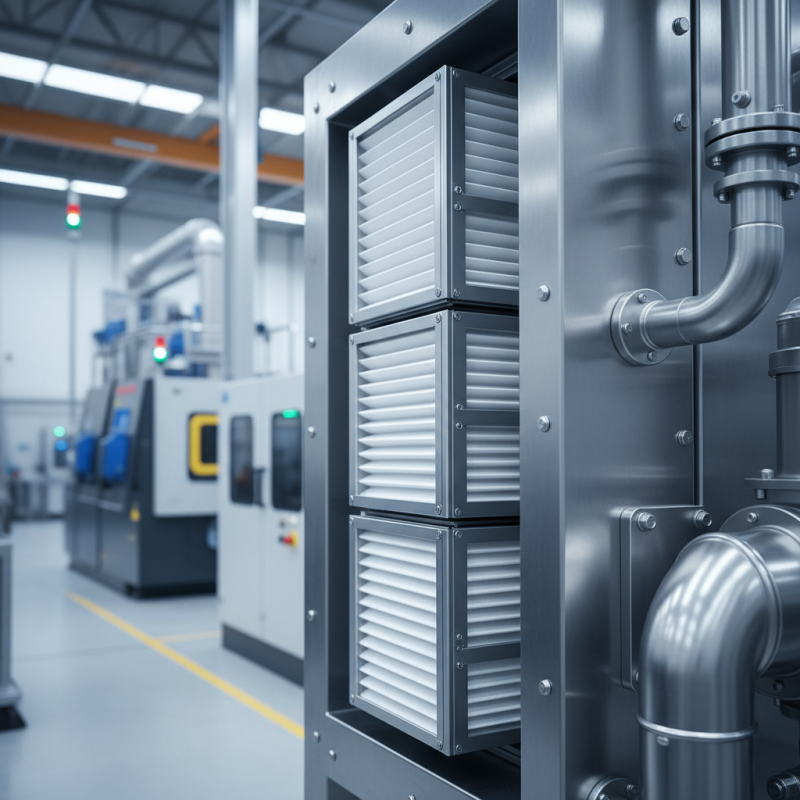
Industrial HEPA filters play a crucial role in various applications, including manufacturing, pharmaceuticals, and food processing. These filters are designed to capture 99.97% of particles that are 0.3 microns in diameter. This high efficiency is vital for maintaining air quality in environments sensitive to contamination. According to a report by Research and Markets, the global HEPA filter market is expected to reach $5.56 billion by 2026, highlighting the growing importance of these systems in industrial settings.
When selecting an industrial HEPA filter, key features must be considered. The filter's efficiency rating, typically expressed as a minimum efficiency reporting value (MERV) rating, directly influences performance. A higher MERV rating indicates greater effectiveness in trapping smaller particles. Additionally, filter size and airflow capacity are crucial to ensure compatibility with existing systems. As industries evolve, demands for energy efficiency and lower operational costs become a priority. Ignoring these specifications may lead to inefficiencies, impacting overall system performance.
Regular maintenance is essential to retain optimal functionality. Filters must be checked frequently for clogging or damage. Neglecting this can result in reduced airflow and increased energy consumption. The challenge lies in balancing performance and longevity while keeping maintenance costs manageable. Staying informed about new technologies and materials can enhance filter performance, making it essential for exporters to keep abreast of industry developments. Understanding these details empowers businesses to make informed decisions for their operations.
2026 Best Industrial Hepa Filter Buying Guide for Exporters
| Feature |
Specifications |
Importance |
| Filtration Efficiency |
99.97% at 0.3 microns |
Essential for capturing small particles |
| Airflow Rate |
500 - 3000 CFM |
Determines the volume of air filtered |
| Frame Material |
Aluminum or Steel |
Durability and structural integrity |
| Filter Size |
Various (e.g., 24x24, 12x24 inches) |
Compatibility with equipment |
| Pre-Filter Requirement |
Required |
Extends HEPA filter lifespan |
| Operating Temperature |
-20°C to 60°C |
Ensures functionality in various environments |
| MERV Rating |
MERV 13 to 16 |
Indicates filter's effectiveness |
Types of Industrial HEPA Filters: A Comprehensive Overview
When selecting industrial HEPA filters, understanding their types is crucial. There are three primary categories: absolute, high-efficiency, and gas-phase filters. Absolute filters capture at least 99.97% of particles down to 0.3 microns. These are essential in spaces requiring stringent air quality, like pharmaceuticals or microelectronics.
High-efficiency filters offer lower capture efficiency but can be more economical for some applications. They are common in industrial settings where air quality is important, but the strictest standards are not necessary. According to industry data, nearly 30% of facilities use these filters to balance performance and cost.
Gas-phase filters are designed to remove odors and volatile organic compounds (VOCs), which are critical in food processing and chemical manufacturing. However, they need frequent replacement, reducing long-term cost-effectiveness.
Choosing the right filter type also depends on the specific environment and application needs. It’s essential to consider factors like air flow, humidity, and contamination levels. An inappropriate choice may lead to degraded air quality and increased health risks. An estimated 15% of industrial facilities report issues due to inadequate filtration, highlighting the importance of thorough evaluation and planning.
Factors to Consider When Choosing HEPA Filters for Export
When selecting HEPA filters for export, several key factors come into play. It’s essential to understand the application and environment where the filters will be used. Different industries may have unique requirements. For example, clean rooms in pharmaceuticals need stricter standards than a general manufacturing facility.
Tips for exporters: Evaluate your specific needs. Consider the size, efficiency, and airflow of the HEPA filter. Make sure the filter meets international standards. This ensures your product aligns with various regulatory requirements.
Another consideration is the filter’s longevity. High-efficiency filters may have a premium price. Yet, they often last longer, providing better value in the long term. Think about maintenance protocols, too; easy-to-replace filters can help reduce downtime.
Always stay updated on technological advancements. Newer filters often feature improved designs. They may offer better performance but could also be harder to procure. Understanding these nuances can help streamline your buying process.
Top Manufacturers of Industrial HEPA Filters in 2026
In 2026, the industrial HEPA filter market is expected to see substantial growth. According to recent market research reports, the demand for high-efficiency particulate air filters is projected to rise by over 25%. This surge is driven by a growing awareness of indoor air quality and stricter regulations. Manufacturers are focusing on innovation, aiming to produce filters with higher filtration efficiencies and longer lifespans.
Among the top manufacturers in the market are those that specialize in advanced filtration technologies. These companies invest significantly in R&D, ensuring their products meet stringent international standards. Recent data indicates that nearly 40% of the market share is held by manufacturers excelling in eco-friendly production methods. Companies face challenges such as sourcing sustainable materials and rising production costs, requiring careful planning and adaptability.
While the market is robust, not every manufacturer will navigate these intricate demands successfully. Some companies may struggle to align with new regulatory requirements. Moreover, with the increasing competition, businesses need to continuously innovate to stand out. Selecting the right manufacturer is crucial for exporters. Each decision affects product reliability and overall market reputation.
2026 Industrial HEPA Filter Performance Analysis
Compliance Standards and Regulations for Exporting HEPA Filters
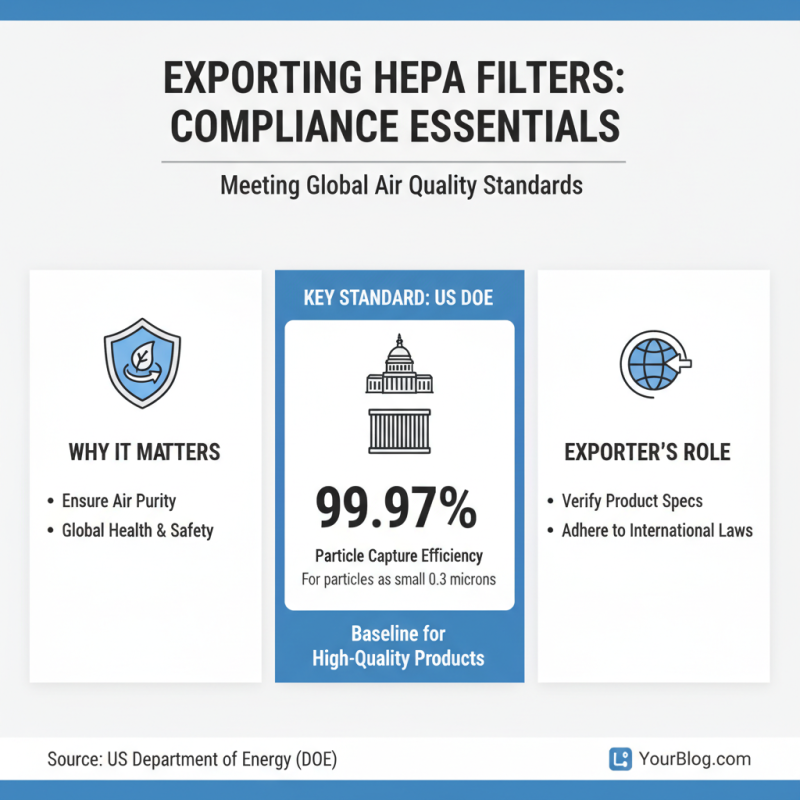
When exporting HEPA filters, compliance with standards and regulations is crucial. These filters must meet stringent guidelines to ensure their effectiveness in air purification. The U.S. Department of Energy (DOE) defines HEPA filters as those that can capture at least 99.97% of particles, as small as 0.3 microns. This specification establishes a baseline for exporters, ensuring they provide high-quality products.
Moreover, international standards set by the International Organization for Standardization (ISO) play a vital role. ISO 29463 outlines the performance requirements for HEPA and ULPA filters. Exporters should familiarize themselves with specific certifications relevant to their target markets. For instance, the European Union mandates compliance with the EN 1822 standard. Non-compliance can lead to rejected shipments and tarnished reputations.
Data suggests that mislabeling and nonconformity are common issues among exporters. Reports indicate that up to 30% of non-compliance stems from inadequate documentation. Companies must prioritize thorough testing and transparent reporting. Investing in certification can enhance credibility and open doors in competitive markets. Addressing these challenges is essential for successful export operations.