2026 Best Hepa Air Filter for Effective Air Purification?
In recent years, the demand for effective air purification has surged. A key player in this industry is the HEPA air filter. It is known for its ability to trap small particles, including dust, allergens, and even some bacteria. Dr. Emily Sanders, an expert in air quality, states, "The right HEPA air filter can significantly improve your indoor environment."
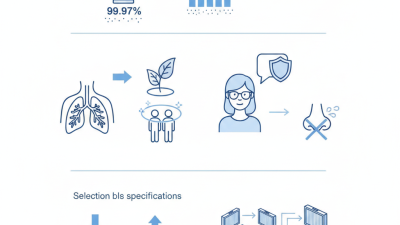
Choosing the best HEPA air filter in 2026 requires knowledge. Many brands claim high efficiency, but not all filters live up to their promises. Some may let particles escape, which affects air quality. Understanding filtration standards and efficiency ratings is crucial. A reliable filter should capture at least 99.97% of particles as small as 0.3 microns.
Consumers often face confusion due to marketing tactics. Claims can be overly optimistic. It’s important to research and verify product specifications. The effectiveness of a HEPA air filter can impact health in profound ways. Proper knowledge can help identify filters that truly deliver clean air for your home.
What is a HEPA Air Filter and How Does It Work in Air Purification?
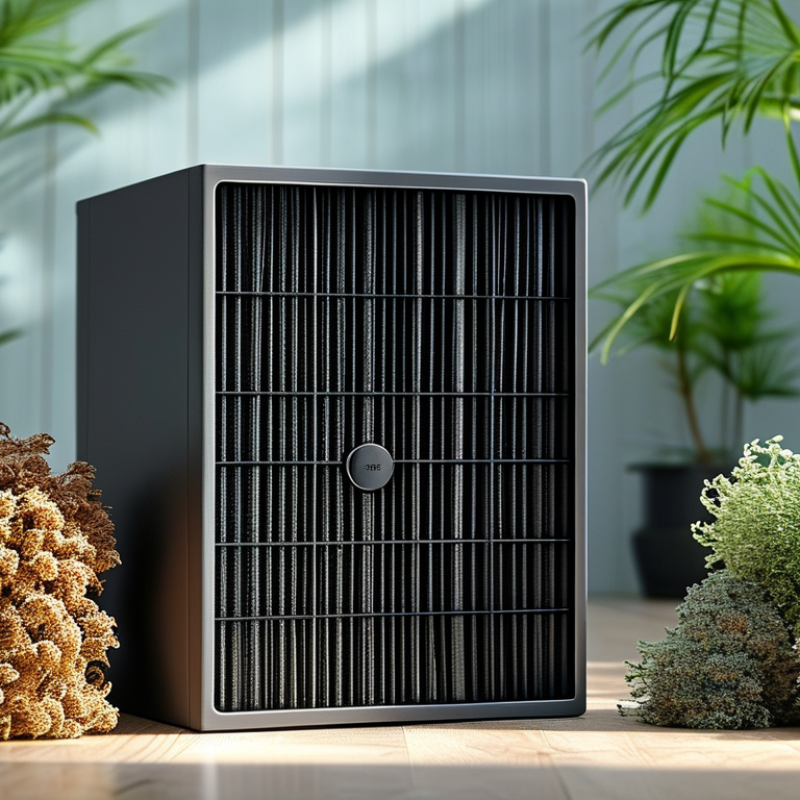
HEPA air filters play a crucial role in air purification. HEPA stands for High-Efficiency Particulate Air. These filters can capture at least 99.97% of particles that are 0.3 microns in diameter. This means they effectively trap dust, pollen, mold spores, and pet dander. When air passes through the filter, these tiny particles are trapped, leaving cleaner air to circulate.
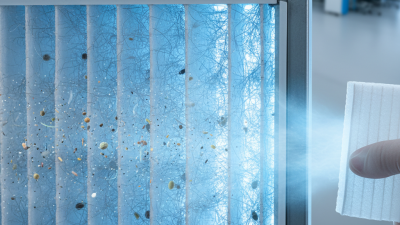
The mechanism behind HEPA filters is simple yet effective. They use a dense mat of fibers to capture pollutants. As air flows through, larger particles are blocked. Smaller particles are caught through diffusion and interception. This process significantly improves air quality, especially in crowded or polluted environments. However, not all HEPA filters are created equal. Some may not meet the stringent standards set for true HEPA filters. This raises concerns about their effectiveness.
While HEPA filters are reliable, they need regular maintenance. Dirty filters can harbor bacteria and mold, reducing their efficiency. Additionally, some users overlook the importance of proper installation. A poorly fitted filter can allow unfiltered air to bypass the system. Regular checks and replacements are essential for optimal performance and better indoor air quality.
2026 Best Hepa Air Filter for Effective Air Purification
| Filter Type |
Efficiency (%) |
Filter Lifespan (months) |
Particle Size Captured (microns) |
Noise Level (dB) |
| HEPA H13 |
99.97 |
12 |
0.3 |
30 |
| HEPA H14 |
99.99 |
12 |
0.3 |
28 |
| True HEPA |
99.97 |
10 |
0.3 |
35 |
| Standard HEPA |
99.95 |
6 |
0.3 |
40 |
| HEPA Type A |
99.80 |
8 |
0.3 |
33 |
Key Features to Consider When Choosing the Best HEPA Air Filter
When selecting a HEPA air filter, certain key features matter greatly. Efficiency ratings stand out. A true HEPA filter must capture at least 99.97% of particles as small as 0.3 microns. This includes dust, pollen, and smoke, which contribute to indoor air pollution. According to data from the U.S. Environmental Protection Agency, people spend about 90% of their time indoors. High-quality air filtration can drastically improve health.
Another feature is the airflow resistance. Filters with excessive resistance can strain HVAC systems. This leads to higher energy costs and potential system failures. A good filter balances efficiency and airflow. Many models now provide low air resistance, ensuring optimal performance and lifespan.
Consider the filter's lifespan as well. Disposable HEPA filters may require replacement every six months to a year. Conversely, some models offer washable options. While washable filters can be cost-effective, they might not trap particulate matter as effectively over time. Regular maintenance is needed for sustained performance.
Top 2026 HEPA Air Filters: Performance Ratings and Customer Feedback
When selecting a HEPA air filter for home use, performance ratings and customer feedback are essential. Many filters claim to capture 99.97% of microscopic particles, but real-world effectiveness often varies. Users frequently report significant differences in air quality after installation. Many appreciate filters that minimize allergens and irritants, indicating a need for reliable testing and attention to specs.
Not all HEPA filters are created equal. Some perform well but have high replacement costs. Consumer reviews can be a mixed bag. While some praise noise levels and ease of use, others mention concerns about durability and maintenance. Look for filters with well-documented performance ratings. Trustworthy third-party testing provides insights into long-term effectiveness.
It's evident that while many options exist, choice can be overwhelming. Users should consider their unique needs. Do you have pets? Allergies? Each situation impacts the best choice of air filter. Balancing cost, performance, and user experience is tricky. Gathering diverse feedback can help clarify the best choice. Remember, what works for one may not work for all.
Comparative Analysis of HEPA Filters vs. Other Air Purification Technologies
HEPA filters are recognized for their effectiveness in removing airborne particles. They can trap 99.97% of particles as small as 0.3 microns. This includes dust, mold, and pet dander. However, they may not eliminate gases or odors. Their main advantage is their high particle capture rate, making them a top choice for those with allergies.
In contrast, other air purification technologies, such as activated carbon filters, focus on chemical adsorption. These filters excel at reducing odors and volatile organic compounds (VOCs). However, they are less effective against particulate matter. Some systems use ultraviolet (UV) light to kill bacteria and viruses. This method is useful for sterile environments but may not address all contaminants in everyday settings.
Recent studies indicate that combining technologies could yield better results. For instance, using HEPA filters alongside activated carbon can target both particles and odors. A consensus in the industry suggests that hybrid systems could offer comprehensive air purification. Nonetheless, users should consider their specific air quality needs. Awareness of limitations in each technology is essential for making informed decisions.
The Impact of Clean Air on Health: Statistical Benefits of HEPA Filtration
Clean air is essential for good health. Studies reveal that HEPA filters can remove 99.97% of airborne particles. These include dust, pollen, and smoke. This capability significantly reduces allergies and respiratory issues. A cleaner environment leads to fewer sick days and better productivity.
The benefits of clean air extend beyond mere comfort. Statistics show lower rates of asthma and other chronic illnesses in places with effective air filtration. A recent research highlights a 20% reduction in asthma attacks among children exposed to clean air. However, not all filters are created equal. Some may not capture the smallest particles. This discrepancy requires careful consideration when choosing an air filter. Understanding specifications is crucial.
There is a need for awareness regarding indoor air quality. Many underestimate its impact. Pollution levels often rise indoors, sometimes worse than outdoors. Individuals must recognize their surroundings. Filtering the air can create a healthier living space. It can also reflect better lifestyle choices. Yet, the journey to cleaner air is ongoing. Regular maintenance and replacement of filters are often overlooked. Being diligent in these aspects can lead to lasting health benefits.