2026 Best Industrial Paint Booth Filters for Optimal Performance?
In the industrial coating sector, choosing the right equipment is crucial. Among various elements, Industrial Paint Booth Filters play a vital role in ensuring optimal performance. These filters not only protect the environment but also enhance the quality of finishes.
The 2026 selection of Industrial Paint Booth Filters highlights advanced technology and materials. However, not every filter is perfect for every situation. Factors like specific spray applications, booth designs, and air quality standards must be considered. Users often encounter challenges, such as inconsistent finishes attributed to filter inefficiency.
Investing in high-quality filters improves air purification and reduces hazardous emissions. This enhances worker safety and compliance with regulations. It's essential to evaluate these filters critically, as poor choices can lead to increased costs and operational delays. Ensuring proper filter selection can significantly improve the painting process, making it worthwhile to invest time and resources into this decision.
Overview of Industrial Paint Booth Filters and Their Importance
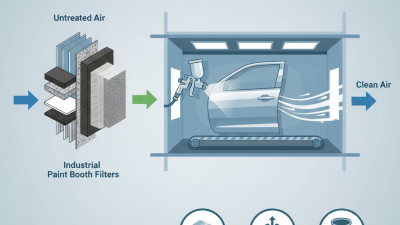
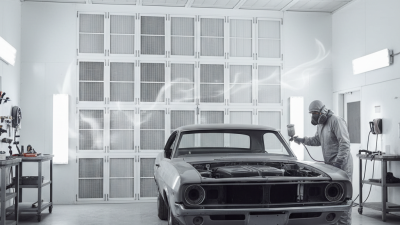
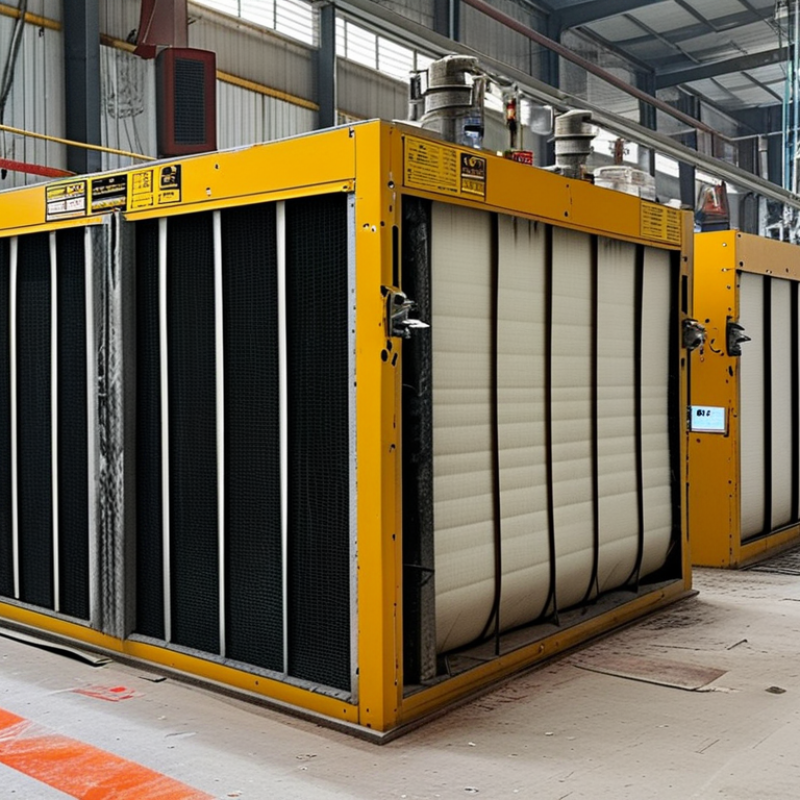
Industrial paint booth filters play a crucial role in ensuring optimal performance in paint application processes. These filters trap airborne particles, preventing them from contaminating the paint and affecting the final finish. By maintaining a clean environment, businesses can achieve higher-quality outputs and minimize rework costs. Effective filtration systems enhance air quality, ensuring a safe working environment for employees, which is often overlooked.
Choosing the right filter can be challenging. Many options are available, each with unique specifications and performance traits. Users must consider factors like airflow resistance and particle retention efficiency. Sometimes, the cheapest filters might not provide the needed protection. This can lead to costly mistakes down the line. Testing different filters can be an insightful process, revealing which ones meet specific operational needs best.
Installation and maintenance are other areas needing attention. Poorly installed filters can lead to leaks and reduced effectiveness. Regular checks and timely replacements can prevent these issues. Firms often neglect maintenance, leading to decreased air quality. A lack of awareness about the importance of consistent filter care can result in costly repercussions for productivity and employee safety.
Industrial Paint Booth Filters Performance Comparison (2026)
This chart illustrates the performance comparison among different types of industrial paint booth filters based on their efficiency, airflow resistance, and dust holding capacity.
Types of Paint Booth Filters: A Comparative Analysis
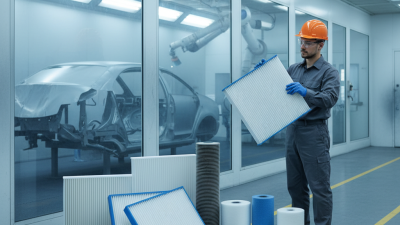
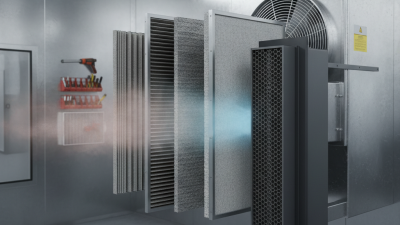
When selecting industrial paint booth filters, understanding the types available is crucial. Filters can be categorized into several types, each serving distinct functions. For example, pre-filters capture larger particles while high-efficiency filters trap finer contaminants. Opting for the right type ensures superior air quality and optimal spray performance in your booth.
In practice, many users overlook the importance of filter maintenance. Filters should be checked regularly and replaced as necessary. A clogged filter can reduce airflow, resulting in uneven paint application and quality issues.
Tip: Keep a replacement filter on hand. This ensures that a quick swap can occur during your scheduled maintenance. Pay attention to warning signs, like decreased airflow or unusual odors.
Considering the specific needs of your painting environment is essential. Some booths may benefit from activated carbon filters to eliminate odors and volatile organic compounds. Balancing performance with safety keeps your operation running smoothly.
Tip: Document your filter usage and replacement schedule. This can help identify patterns and inform future purchases, leading to improved decision-making.
Key Features to Consider in Choosing Paint Booth Filters
Choosing the right paint booth filters is essential for optimal performance in any industrial setting. Key features matter. Look out for filter efficiency, which is measured by the MERV rating. A higher MERV can capture smaller particles, improving air quality. Particle size retention is another crucial factor. Filters should target both large and fine particles to ensure clean airflow.
Consider the material of the filter. Some are designed for durability, while others may provide better initial efficiency. It's important to weigh these benefits against potential replacement frequency. Think about the operating environment too. High humidity or temperature can affect filter performance. Regular maintenance is vital. Dirty filters can lead to reduced air quality and unsafe work conditions.
Finally, assess the compatibility of filters with existing equipment. Mismatched filters can lead to performance drawbacks. Reflecting on these factors can help ensure you choose filters that align with industry standards.
2026 Best Industrial Paint Booth Filters for Optimal Performance
| Filter Type |
Efficiency Rating |
Particle Size Captured (microns) |
Airflow Capacity (CFM) |
Material |
Lifespan (hours) |
| Pre-Filter |
80% |
10 |
500 |
Synthetic Fiber |
200 |
| HEPA Filter |
99.97% |
0.3 |
300 |
Glass Fiber |
1000 |
| Activated Carbon Filter |
85% |
5 |
400 |
Activated Carbon |
600 |
| Fine Filter |
95% |
1 |
200 |
Polyester |
800 |
Maintenance Best Practices for Optimal Filter Performance
Maintaining industrial paint booth filters is crucial for optimal performance. According to the National Institute for Occupational Safety and Health (NIOSH), effective air filtration reduces airborne contaminants by over 90%. However, many facilities overlook proper maintenance, leading to reduced efficiency and increased costs.
Regular inspections can reveal filter clogs and other issues. A study by the Institute of Clean Air Companies suggests that filters should be checked weekly to ensure airflow remains at recommended levels. Ignoring this can lead to poor paint finishes and equipment wear.
Tips:
- Replace filters based on usage hours, not just time limits.
- Monitor pressure drop across filters to gauge performance.
- Keep records of maintenance to identify trends.
By prioritizing maintenance best practices, facilities can improve filter longevity. In turn, this enhances product quality and worker safety. Yet the reality is many facilities struggle with consistent monitoring. This gap can hinder operational effectiveness. Regular training for staff on maintenance practices can foster a culture of careful attention, helping avoid costly mistakes in the long run.
Future Trends in Paint Booth Filter Technology for 2026 and Beyond
The landscape of paint booth filter technology is evolving quickly. In 2026, we expect notable advances that enhance efficiency and sustainability. According to the recent industry report, 70% of manufacturers prioritize eco-friendly materials in their filtration systems. This shift not only reduces waste but also aligns with global sustainability targets.
Innovative designs will focus on higher filtration efficiency. The demand for filters with a Minimum Efficiency Reporting Value (MERV) rating of 13 or above is increasing. Filters at this level can capture particles as small as 0.3 microns. However, there is an ongoing challenge: maintaining airflow while increasing filtration efficiency. Striking a balance is essential for optimal booth performance.
The integration of smart technology in filter systems is another trend. Sensors can monitor filter performance in real-time, alerting users when maintenance is needed. Yet, relying too heavily on technology could lead to oversight of traditional maintenance checks. Manufacturers must tread carefully, ensuring that advanced systems do not outpace human intervention. Data suggests that regular manual inspections still play a crucial role in minimizing operational risks.