Best Spray Booth Ceiling Filter Options for Optimal Performance?
In the realm of spray painting operations, the quality of air filtration is pivotal. An efficient Spray Booth Ceiling Filter is essential for maintaining a clean working environment. According to the Occupational Safety and Health Administration (OSHA), inadequate air filtration can lead to harmful exposure to volatile organic compounds (VOCs). These substances can affect both health and productivity.
Studies indicate that over 30% of working facilities struggle with airborne contaminants due to ineffective filter systems. A well-designed spray booth filter can significantly reduce these contaminants, ensuring compliance with safety standards. Furthermore, recent market analyses suggest that businesses investing in high-quality filtration systems see a drop in operational costs by up to 15%.
However, selecting the right Spray Booth Ceiling Filter requires careful consideration. Many facilities overlook factors like filter type and maintenance schedules. Identifying the best options can influence not just air quality but also overall efficiency. When businesses understand their specific needs, they can avoid common pitfalls. This approach leads to improved safety and performance in spray booths.
Understanding the Role of Ceiling Filters in Spray Booths
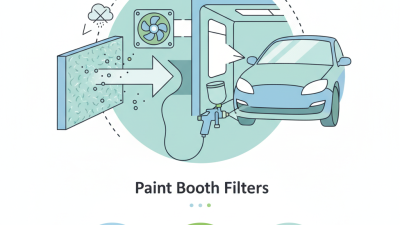
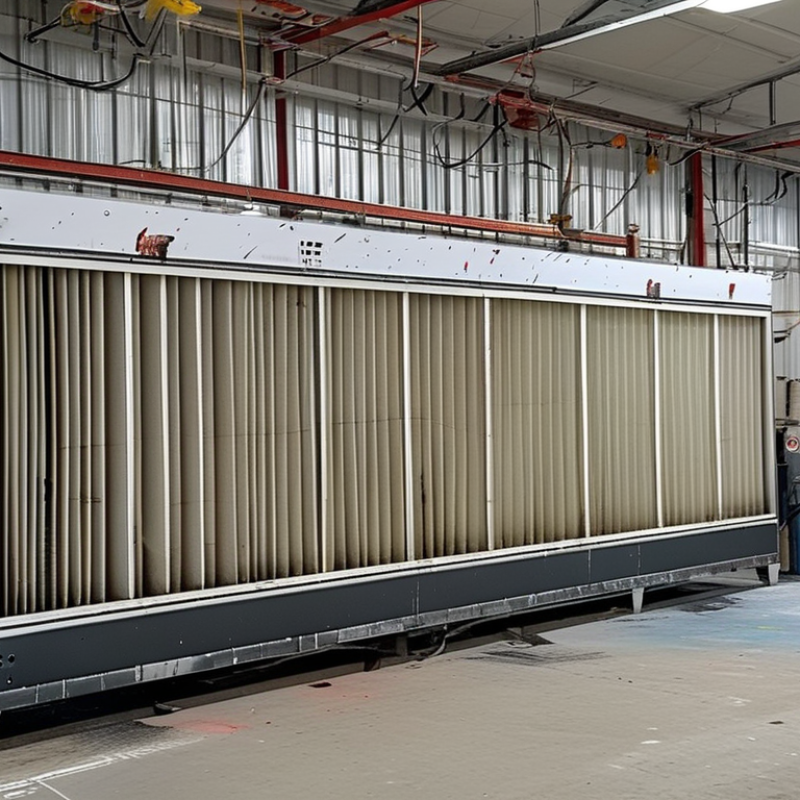
Ceiling filters play a crucial role in spray booths. They capture overspray and particulates, enhancing air quality. According to industry reports, effective filtration can reduce airborne contaminants by up to 90%. This is especially important in environments where precision painting is vital. Poor filtration can lead to defects, increasing rework costs by as much as 50%.
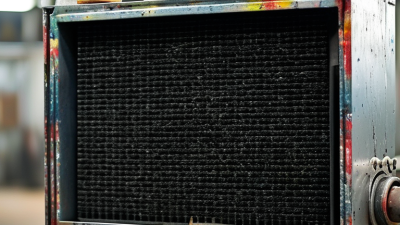
Incorporating high-quality filters is essential for optimal performance. Many facilities overlook the importance of regular filter maintenance. Neglecting this can lead to obstructions, impairing airflow. Studies indicate that decreased airflow can lower booth efficiency significantly. It’s recommended to check filters every month. Some facilities may not recognize the connection between filter performance and product quality. This gap in understanding can hinder productivity and profitability.
Choosing the right ceiling filter involves considering dimensions and compatibility with existing systems. Not all filters provide the same level of efficiency. Facilities may need to experiment with different options to find the best fit. Relying solely on standard filters without assessment may lead to unsatisfactory results. It’s crucial to prioritize both performance and regular evaluation to ensure peak operation. Adjusting filtration strategies can make a tangible impact on overall output.
Types of Ceiling Filters Available for Spray Booths
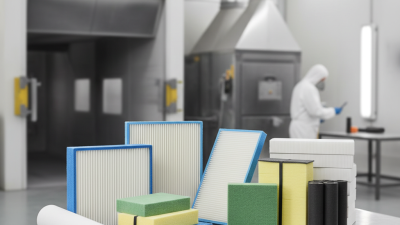
When considering ceiling filters for spray booths, it’s essential to understand the various types available. These filters play a crucial role in maintaining air quality and ensuring optimal performance. Commonly used options include HEPA filters, electrostatic filters, and activated carbon filters. Each type offers unique benefits and drawbacks.
HEPA filters are known for their high efficiency in capturing airborne particles, achieving up to 99.97% removal of particles as small as 0.3 microns. A study by the American Industrial Hygiene Association indicates that using HEPA filters can significantly reduce the presence of hazardous fumes. However, they may require frequent replacement, leading to increased operational costs.
Electrostatic filters, on the other hand, are reusable and can capture larger particles effectively, although they are less efficient than HEPA filters for fine particles. Studies have shown these filters enhance airflow and reduce energy consumption by as much as 20%.
Activated carbon filters excel in removing odors and volatile organic compounds (VOCs) but have limitations in particle capture. Each filter type has its merits and challenges, necessitating careful evaluation for optimal choices in specific spray booth environments.
Factors to Consider When Choosing Ceiling Filters
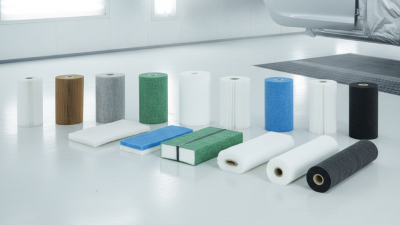
When selecting ceiling filters for spray booths, several critical factors come into play. The filter material is key. Look for options that can capture fine particles effectively. Fiberglass and synthetic media are popular choices for their filtering capabilities. They help maintain a clean environment by reducing overspray and dust accumulation.
Another consideration is the filter size. Filters must fit snugly in their designated space. This prevents leaks and ensures optimal airflow. Proper installation is just as crucial. A poorly fitted filter may allow contaminants to pass through. It's a common oversight that can reduce overall performance significantly.
Lastly, consider the maintenance frequency. Filters should be checked regularly. Clogged filters can restrict airflow, causing inefficiencies. A filter that requires more frequent changes may initially seem cost-effective but can lead to productivity losses over time. Balancing cost, performance, and maintenance is essential for achieving optimal results in the long run.
Best Spray Booth Ceiling Filter Options for Optimal Performance
| Filter Type |
Efficiency Rating |
Size (inches) |
Airflow Resistance (inches W.G.) |
Lifespan (hours) |
Cost ($) |
| Polyester |
MERV 8 |
24 x 24 |
0.2 |
1500 |
25 |
| Fiberglass |
MERV 6 |
20 x 20 |
0.3 |
1000 |
15 |
| HEPA |
MERV 17 |
24 x 24 |
0.1 |
2000 |
100 |
| Activated Carbon |
MERV 11 |
24 x 24 |
0.25 |
1200 |
40 |
| Cellulose |
MERV 7 |
20 x 25 |
0.4 |
900 |
10 |
Maintenance Practices for Optimal Filter Performance
To ensure optimal performance of spray booth ceiling filters, regular maintenance is crucial. Dust and debris can accumulate quickly, reducing airflow and efficiency. Check filters weekly and replace them as needed. A thorough cleaning schedule can extend filter life and enhance performance. Use a gentle vacuum to remove loose particles. Avoid harsh chemicals that could damage the filter material.
Pay attention to the environment within the spray booth. High humidity levels can affect filter efficiency. Monitor humidity and make adjustments to maintain a stable environment. This will help prevent excess moisture buildup on filters. Regular inspection of the booth structure itself is also important. Look for any gaps where contaminants might enter. These small details can make a significant difference in overall filter effectiveness.
Documenting maintenance practices is another essential step. Keeping records helps identify patterns or recurring issues. This information can be beneficial for future maintenance decisions and the improvement of practices. Adopting a proactive stance on maintenance may lead to minor flaws being noticed before they become significant problems. Always be open to adjusting practices based on observed performance trends and conditions within the booth.
Comparative Analysis of Leading Ceiling Filter Brands
When selecting ceiling filters for spray booths, various factors come into play. A recent industry report indicates that high-efficiency particulate air (HEPA) filters can capture 99.97% of particles as small as 0.3 microns. However, not all ceiling filters are created equal, and performance may vary significantly among brands. Some filters use advanced materials that enhance airflow while retaining high filtration efficiency, making them ideal for high-volume operations.
In a comparative analysis, certain filters demonstrated superior dust-holding capacity. This can greatly extend the time between changes, improving operational efficiency. Studies show that organizations can save up to 30% on maintenance costs due to reduced frequency of filter replacements. Yet, it's essential to acknowledge that filter performance may degrade under excessive saturation. Selecting the right product requires careful consideration of operational conditions and various environmental factors.
Feedback from industry professionals highlights that while some brands excel in filtration, they may produce more noise during operation. This can affect the work environment significantly. Additionally, balancing cost and performance is crucial. Experts often suggest evaluating multiple options before committing, as this can uncover both strengths and weaknesses in product offerings. A nuanced approach leads to informed decisions, ensuring optimal performance in spray booth operations.