How to Choose the Best Commercial Hepa Filter for Your Needs?
When it comes to selecting the right Commercial Hepa Filter, the choice can be overwhelming. Consider what industry experts say. Dr. Emily Greene, a leading authority in air quality management, emphasizes, “Choosing the correct filter can significantly impact both health and safety.” With a wide range of options available, understanding your specific needs is crucial.
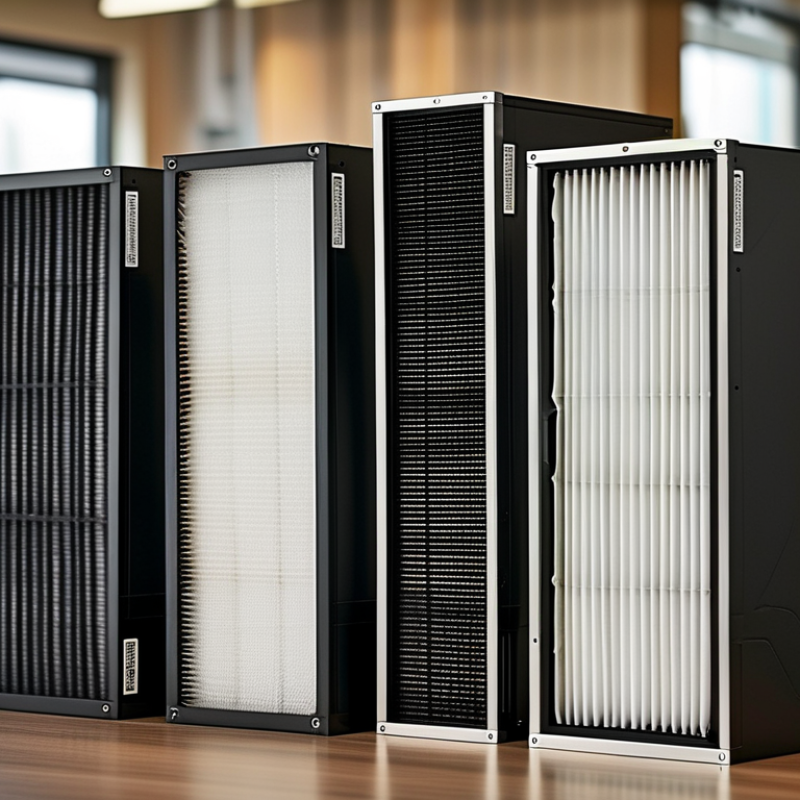
Commercial Hepa Filters come in various types, designed for different applications. For instance, healthcare facilities require filters that meet strict standards. Meanwhile, industrial settings often demand robust filters to handle larger particles. Assessing these requirements helps narrow down your options effectively.
Many users make the mistake of prioritizing price over quality. While cost is important, a cheaper filter may not provide adequate filtration. This could lead to poor air quality, which is detrimental to both employees and visitors. Reflecting on the balance between cost and effectiveness is essential for making an informed decision. The right Commercial Hepa Filter can enhance productivity and well-being.
Understanding HEPA Filters: What Are They and How Do They Work?
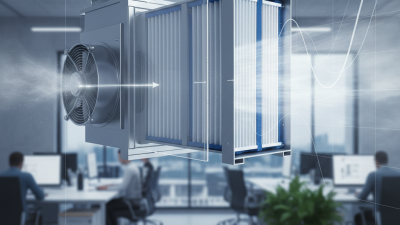
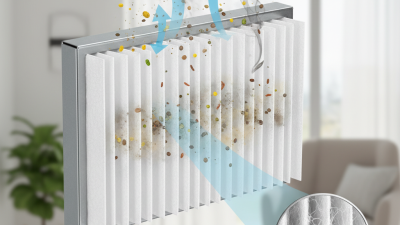
HEPA filters, or High-Efficiency Particulate Air filters, are essential for maintaining clean air in commercial spaces. They capture airborne particles as small as 0.3 microns with an efficiency of 99.97%. This high level of filtration is crucial in environments that require stringent air quality standards, like hospitals and laboratories. The filters work through a combination of mechanisms, including interception, inertial impaction, and diffusion, which all contribute to their effectiveness.
Selecting the right HEPA filter isn't straightforward. Factors like air volume, the presence of specific pollutants, and the physical dimensions of the space must be considered. For instance, a large open area might need multiple units, while smaller, enclosed spaces might suffice with just one. It's also important to understand that not all HEPA filters are created equal. Some claim HEPA-like performance without meeting the strict qualifications.
Installation and maintenance are also key aspects. A poorly fitted filter can lead to air bypass, reducing effectiveness. Regular checks and replacements are essential for optimum air quality. It's a continuous process that requires attention to detail. Finding the right balance between cost and performance can be challenging, and one may not always get it right the first time.
Identifying Your Specific Air Quality Needs for Commercial Spaces
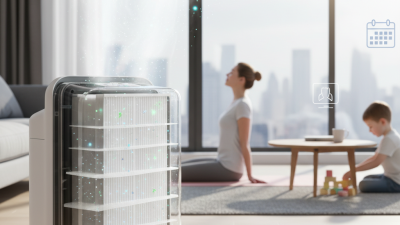
Determining your air quality needs is crucial for choosing the right commercial HEPA filter. Start by assessing the specific environment. Are you in a healthcare setting where airborne pathogens are a concern? Or perhaps a manufacturing space with dust and particles? Each scenario demands different levels of filtration and air exchange.
Next, consider the number of occupants and their activities. High foot traffic areas generate more pollutants. Spaces like restaurants or gyms may need stronger filters compared to offices. Evaluate the types of contaminants present. Is it primarily dust, smoke, or allergens? Identifying these details fine-tunes your filter choice.
Don't overlook maintenance needs. Some filters require regular replacements, impacting operational costs. Reliability is key, but be aware that no filter is perfect. Regular air quality testing helps identify any lingering issues. This reflective approach aids in ongoing improvement. Understanding your unique air quality requirements shapes the decision for the best filter.
How to Choose the Best Commercial Hepa Filter for Your Needs?
| Filter Type |
Filtration Efficiency (%) |
Airflow Rate (CFM) |
Noise Level (dB) |
Filter Life (Months) |
Application |
| HEPA Type H14 |
99.995% |
600 |
45 |
24 |
Hospitals, Laboratories |
| HEPA Type H13 |
99.95% |
500 |
50 |
18 |
Offices, Schools |
| HEPA Type H12 |
99.5% |
400 |
55 |
12 |
Retail Spaces, Restaurants |
| Activated Carbon Filter |
N/A |
700 |
60 |
6 |
Odor Control, VOCs |
| Pre-Filter |
N/A |
800 |
65 |
3 |
General Dust, Larger Particles |
Key Factors to Consider When Selecting a HEPA Filter
When selecting a commercial HEPA filter, consider key factors that impact efficiency. The most critical is the filter's efficiency rating, often expressed as a percentage. A genuine HEPA filter must capture at least 99.97% of particles that are 0.3 microns in size. This is essential for environments that require strict air purity, such as hospitals or laboratories. According to the U.S. Department of Energy, HEPA filters can significantly reduce airborne contaminants, promoting a healthier atmosphere.
The filter's airflow rate is also vital. High efficiency must not come at the cost of airflow. Filters with low resistance allow for better air circulation and can maintain HVAC system efficiency. A study by the National Institute of Health points out that maintaining optimal airflow in cleanrooms can enhance operational effectiveness by reducing downtime and equipment strain.
Lastly, consider the filter's lifespan. Some filters may be effective initially but clog quickly, requiring frequent replacements. This can lead to increased costs and more waste. Users should analyze the operational environment and expected particulate loads to choose a suitable model. Reflecting on these aspects can save money and improve air quality over time.
Comparing Different Types of Commercial HEPA Filters Available
When selecting a commercial HEPA filter, comparing different types is crucial. There are three main types: true HEPA, HEPA-type, and ULPA filters. True HEPA filters capture at least 99.97% of particles as small as 0.3 microns. This includes dust, pollen, and smoke. In contrast, HEPA-type filters may not meet the same standards. They suffice in lower-demand situations but could leave behind smaller particles.
ULPA filters take filtration a step further. They can trap 99.999% of particles down to 0.12 microns. This level of filtration is ideal for sensitive environments, like clean rooms or laboratories. Learning about these distinctions is essential. A poor choice can lead to air quality issues that could have been prevented.
Consider the operating environment when choosing a filter type. For basic air quality improvement, a true HEPA filter may be sufficient. However, if you're operating in a healthcare facility or specialized industry, investing in ULPA filters is wise. Evaluate air quality needs carefully, as improper filtration may not only be ineffective but could also waste resources. Filter maintenance is another area that requires attention. Regular checks can help maintain efficiency and prolong the filter's lifespan.
Comparison of Different Types of Commercial HEPA Filters
This chart illustrates the particle filtration efficiency of various commercial HEPA filters. The Standard HEPA filter offers 99.97% efficiency, while True HEPA filters improve upon this with 99.99%. Medical HEPA filters provide an even higher efficiency, reaching 99.99997%, and ULPA filters achieve almost complete filtration at 99.999999%.
Maintenance and Replacement Considerations for HEPA Filters
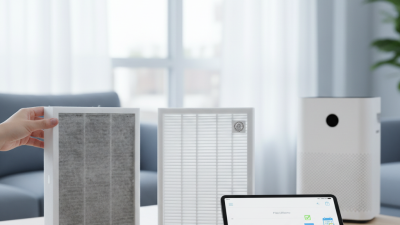
HEPA filters are essential for maintaining indoor air quality. Regular maintenance is crucial for their performance. Checking filters monthly is a good practice. Replacement intervals typically range from six months to a year, depending on use and environment. If you notice reduced airflow or increased dust accumulation, it might be time for a change.
Cleaning procedures vary. Some filters can be vacuumed to extend their life. Others are designed for one-time use and must be replaced entirely. Be cautious when handling filters. Dust can resettle and trigger allergies. Always wear protective gear when cleaning or replacing the filter.
Monitoring the environment also matters. High pollen counts or increased foot traffic can affect filter life. Adjust your replacement schedule accordingly. Building a routine will help ensure optimal function. Reflect on your current setup and identify areas for improvement. Make necessary adjustments for better air quality.