How to Choose the Best Paint Booth Fiberglass Filter?
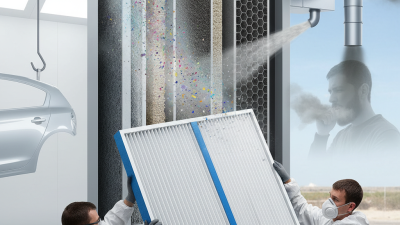
Choosing the right Paint Booth Fiberglass Filter is crucial for any painting operation. These filters play a vital role in maintaining air quality and ensuring optimal paint application. A suitable fiberglass filter can trap paint overspray and airborne pollutants effectively.
However, selecting the best option can be tricky. Many products flood the market, each claiming superiority. The wrong choice can lead to inefficiencies and costly mistakes. It's essential to consider various factors, such as filter efficiency, durability, and compatibility with your paint booth.
In this process, it’s important to rely on trusted sources and expert opinions. Quality concerns and specifications often get overlooked. Users may find themselves frustrated, wondering why filtering performance varies so much. A careful analysis of available options, expert recommendations, and user experiences can help in making an informed decision. Ultimately, the right Paint Booth Fiberglass Filter can significantly improve your painting results.
Understanding the Role of Fiberglass Filters in Paint Booths
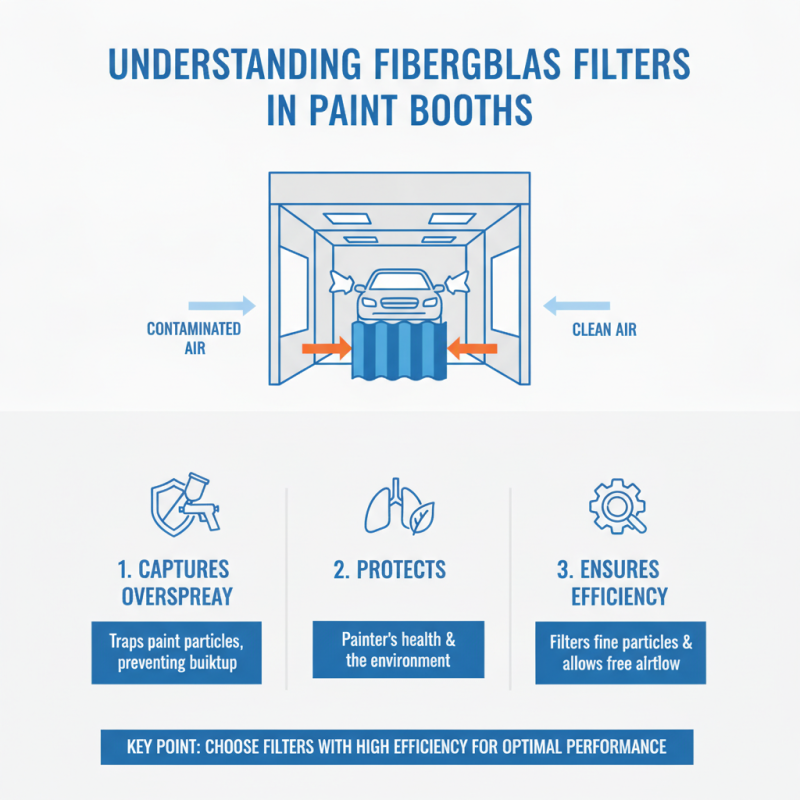
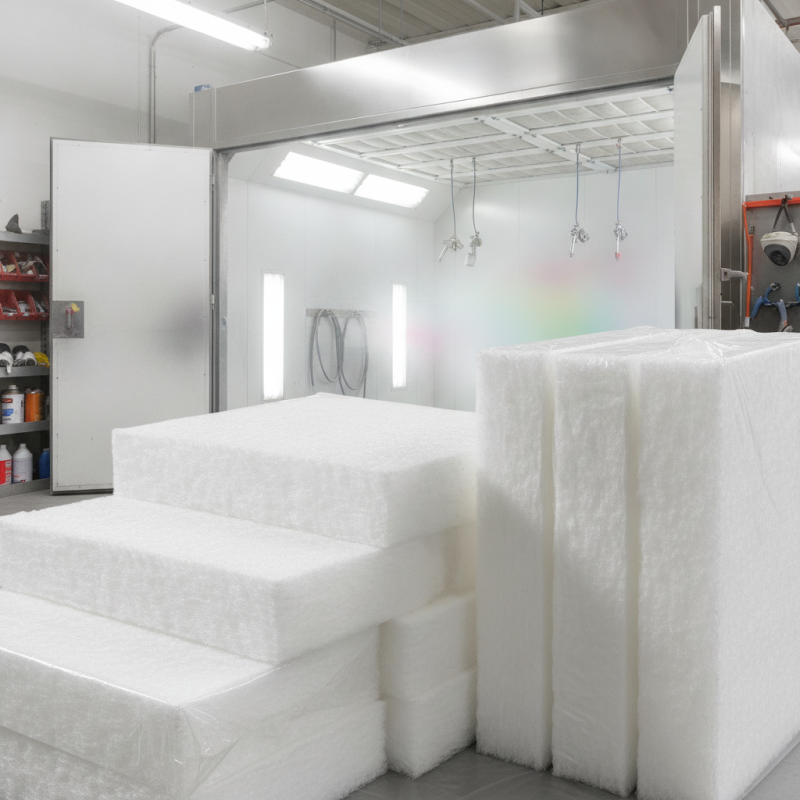
Fiberglass filters play a crucial role in paint booths. They help capture overspray and keep the air clean. This protects both the painter and the environment. When selecting a fiberglass filter, consider its efficiency. A good filter should trap fine particles while allowing air to flow freely.
Many filters vary in thickness and composition. Thicker filters can trap more particles, but they may also reduce airflow. It’s essential to find a balance. The right choice impacts not just the environment but also the quality of the finished product. If overspray accumulates, the quality of paint can diminish.
Regularly monitoring the filter’s condition is key. A clogged filter can lead to increased paint defects. Not all fiberglass filters are created equal. Understanding these nuances can make a significant difference. The best choices often come from careful research.
Key Factors to Consider When Selecting Fiberglass Filters
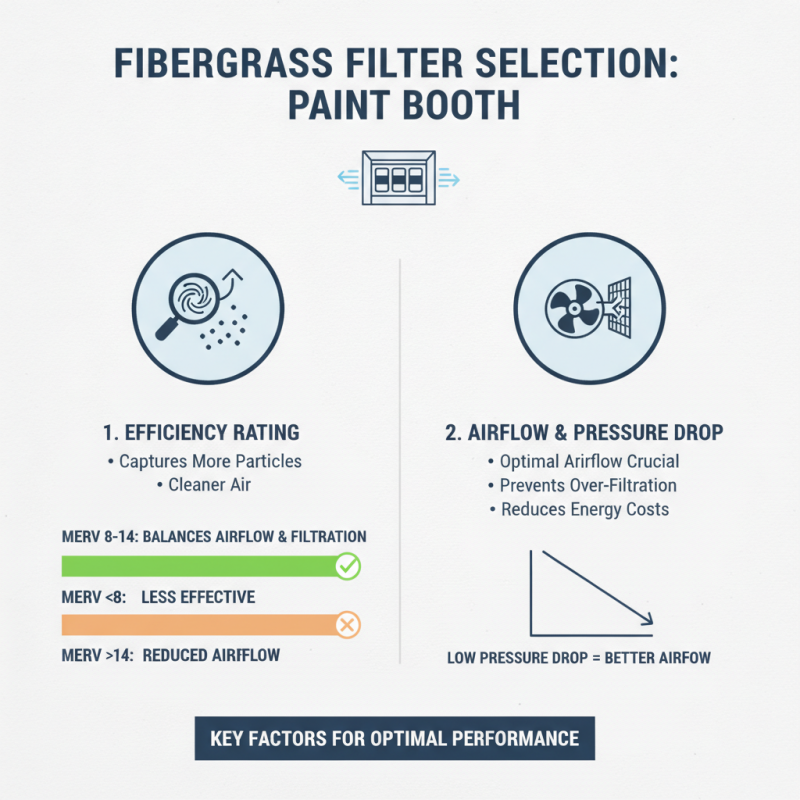
Choosing the right fiberglass filter for your paint booth involves several crucial factors. First, consider the filter's efficiency rating. Higher efficiency ratings capture more particles, leading to cleaner air. Standard ratings include MERV (Minimum Efficiency Reporting Value). Select filters with a MERV rating between 8 and 14 for effective performance. This range balances airflow and filtration.
Material quality is another essential aspect. Fiberglass filters should be durable yet lightweight. Inspect the thickness of the material as well. Thicker filters often last longer and provide better filtration. However, don’t overlook airflow resistance. Filters that restrict airflow can impact your booth’s performance, leading to inefficiencies.
Another factor for consideration is maintenance. Frequent filter replacements can add costs. Aim for filters that offer a longer life span while maintaining high efficiency. Monitor how often you need to replace them. A filter that performs well initially may degrade quickly, prompting frequent changes. This might lead to overspending in the long run. Stay informed about the evolving options in the market to ensure your choice remains reliable.
Types of Fiberglass Filters Available for Paint Booths
When selecting a fiberglass filter for your paint booth, understanding the various types available is essential. Fiberglass filters are designed to capture dust, particles, and overspray in the air. This ensures a cleaner working environment. Common types of filters include panel filters, disposable filters, and activated carbon filters. Each type has its own advantages and limitations.
Panel filters are reusable and tend to have a longer lifespan. They offer good air flow but may require regular maintenance. On the other hand, disposable filters are convenient and easy to replace. However, they may not be as cost-effective over time. Activated carbon filters add an extra layer of filtration. They are effective at eliminating odors but may reduce air flow.
Choosing the right filter involves trade-offs. You might value cost over efficiency or vice versa. It’s crucial to evaluate your specific needs and the conditions in your paint booth. Monitoring filter performance regularly can also highlight areas for improvement. Adjusting your choice based on these observations is part of maintaining an optimal environment.
Maintenance and Replacement Guidelines for Paint Booth Filters
When maintaining paint booth fiberglass filters, it’s crucial to follow specific guidelines for optimal performance. Regularly inspecting the filters is key. A thorough visual check can help identify any signs of wear or damage. Look for tears, discoloration, or excessive dirt accumulation. These factors can compromise air quality and potentially affect paint application.
Replacing filters is also essential. Depending on usage, filters should be changed every few weeks or as indicated by airflow changes. If the airflow is restricted, it can lead to poor painting results. At times, it’s easy to forget about these filters until problems arise. This oversight can lead to costly reworks. Consider using a maintenance log to track changes, ensuring timely replacements.
Cleaning the filters can extend their lifespan, but only if done correctly. Some filters can simply be rinsed or vacuumed. Others might require specific solvents or methods. Always refer to manufacturer guidelines for cleaning practices. If unsure, it may be best to opt for replacement rather than risk improper maintenance. Reflection on current practices can lead to better decision-making in filter management.
Evaluating Cost vs. Quality in Paint Booth Fiberglass Filters
Choosing the right paint booth fiberglass filter can be a challenging task. It's essential to balance cost and quality effectively. Industry studies suggest that the average lifespan of a filter can vary widely. Many customers report replacements every two to four weeks, depending on their application. Investing in a quality filter may reduce long-term costs through fewer replacements.
Cost-effective options can seem appealing, but they may compromise filtration efficiency. Filters that trap more particulates tend to cost more upfront. A study by the National Institute for Occupational Safety and Health indicated that inefficient filters could lead to increased airborne contaminants, impacting worker safety and product quality. This highlights the importance of making informed decisions.
In addition, filters with lower Initial Resistance often perform better in the long run. While they may carry a higher price tag, they save energy and enhance airflow. Industry reports show that optimal airflow can improve spraying consistency by up to 30%. However, it’s important to evaluate whether the initial investment will pay off in operational efficiency. This complex decision-making process requires careful consideration of both immediate and future needs.
Cost vs. Quality in Paint Booth Fiberglass Filters