Why is Flow Hood Laminar Important for Cleanroom Environments?
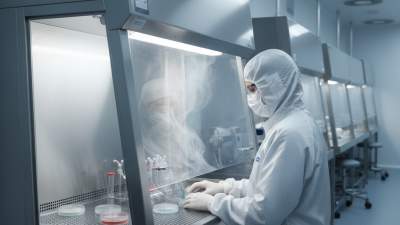
In the realm of cleanroom environments, the importance of a Flow Hood Laminar cannot be overstated. Dr. Emily West, a renowned expert in cleanroom technology, emphasizes, "The effectiveness of a cleanroom largely relies on the proper airflow design." Flow Hood Laminar systems create a uniform, particle-free air environment. This is essential for industries like pharmaceuticals and biotechnology, where contamination can compromise product safety.
A properly functioning Flow Hood Laminar provides a controlled and sterile atmosphere. It minimizes particle contamination, which is crucial for sensitive processes. However, there are challenges associated with maintaining these systems. For example, regular maintenance and filter changes are necessary to ensure optimal performance. Failing to address these aspects can lead to decreased air quality and potential risks.
While the benefits of Flow Hood Laminar systems are clear, there is room for improvement in user training and awareness. Many operators may overlook the significance of airflow patterns and system integrity. This oversight can lead to performance issues in clean environments. A greater understanding of these systems enhances their effectiveness and the overall safety of cleanroom operations. Proper knowledge and adherence to protocols are vital for success in this field.
Understanding Flow Hood Laminar Technology in Cleanroom Environments
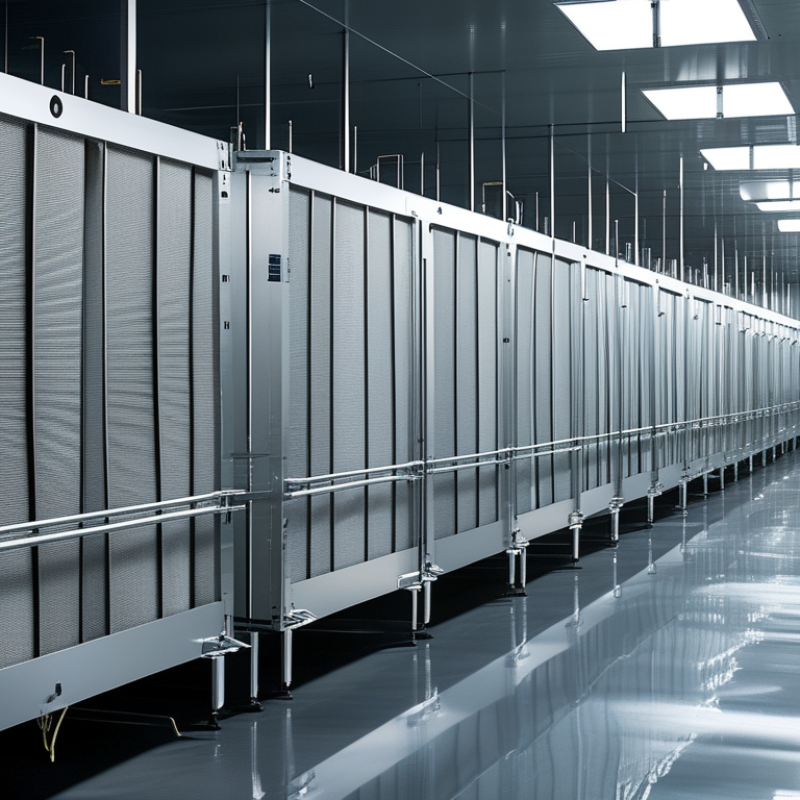
Flow hood laminar technology plays a critical role in maintaining cleanroom environments. This technology works by providing a continuous flow of filtered air. The air is directed in a uniform manner, minimizing contamination risks. Cleanrooms require strict control over particles and microorganisms. That's where flow hoods come into play.
The effectiveness of flow hood laminar systems hinges on their design and air filtration process. High-efficiency particulate air (HEPA) filters capture airborne particles. This ensures that the cleanroom air remains free of contaminants. It is fascinating how small changes in airflow can impact cleanliness levels. For instance, improper placement of the hood may lead to turbulence, which can compromise sterility.
However, challenges can arise with flow hoods. Regular maintenance is essential for optimal effectiveness. Filters need replacing, and airflow should be consistently monitored. A lapse in these areas can result in contamination breaches. Reflection on these potential pitfalls can enhance cleanroom protocols. Continuous improvement is key to sustaining a sterile environment.
Key Functions and Benefits of Flow Hoods for Contamination Control
Flow hoods play a crucial role in cleanroom environments. These devices provide a controlled airflow that protects sensitive materials and processes from contamination. They create a sterile boundary by filtering out airborne particles, including dust, bacteria, and other contaminants. This is essential in labs, pharmaceuticals, and electronics manufacturing.
The efficiency of flow hoods in contamination control is remarkable. They use high-efficiency particulate air (HEPA) filters to trap particles as small as 0.3 microns. This makes them effective in maintaining the cleanliness standards required in these facilities. Users often find that flow hoods reduce the risk of product failures or laboratory errors. However, regular maintenance is necessary to sustain their performance.
Despite their importance, some facilities overlook airflow patterns. Uneven airflow can lead to areas of stagnation, a potential risk point for contamination. It's vital to evaluate the layout and usage of flow hoods regularly. Workers must also be trained to work efficiently within these environments. Understanding the nuances of airflow not only enhances safety but ensures compliance with industry standards. Awareness and continuous improvement are key.
Importance of Flow Hood Laminar for Cleanroom Environments
This bar chart illustrates the key functions of flow hood laminar systems in cleanroom environments, showcasing their importance in various areas such as contamination control, air quality, uniform airflow, user safety, and cost efficiency. Each function is rated based on its significance in maintaining a sterile environment.
Types of Flow Hoods and Their Applications in Cleanroom Settings
Flow hoods are critical for maintaining sterility in cleanroom environments. Different types serve unique purposes based on the specific needs of the operation. Laminar flow hoods ensure unidirectional airflow, creating a sterile zone essential for sensitive processes. These hoods are ideal for handling delicate materials that require protection from contamination.
For pharmaceutical labs, vertical flow hoods are commonly used. They direct air downward, creating a clean workspace for ingredient handling. Similarly, horizontal flow hoods push air toward the operator, suitable for working with equipment that should remain contamination-free. It’s essential to choose the right hood based on the type of work you are performing.
**Tip:** Regular maintenance of your flow hood is crucial. Ensure that all filters are replaced as recommended.
Don’t overlook the placement of these hoods. Improper positioning can lead to airflow disturbances. Ideal locations should minimize cross-draughts and external air contamination.
**Tip:** Always conduct airflow tests before using the hood. This step ensures that the system is functioning correctly.
Understanding the types of flow hoods and their specific applications helps in effective cleanroom management. Every choice you make impacts the quality and safety of your work. It's important to review procedures regularly to enhance effectiveness.
Why is Flow Hood Laminar Important for Cleanroom Environments? - Types of Flow Hoods and Their Applications in Cleanroom Settings
| Type of Flow Hood |
Airflow Type |
Applications |
Key Features |
| Laminar Flow Hood |
Unidirectional |
Microbiology, Pharmaceuticals |
High level of particle control, minimizes contamination |
| Biological Safety Cabinet |
Vertical Laminar Flow |
Biological research, handling pathogens |
Provides personnel, product, and environmental protection |
| Fume Hood |
Constant Exhaust |
Chemical handling, laboratories |
Exhaust gases and vapors, protects from chemical exposure |
| Clean Bench |
Horizontal Laminar Flow |
Electronics, semiconductor work |
Prevents contamination of sensitive materials |
Maintenance and Calibration of Flow Hoods to Ensure Effectiveness
Maintaining and calibrating flow hoods is essential for ensuring their reliability in cleanroom environments. Flow hoods create a controlled air environment, protecting sensitive materials. However, over time, these systems can degrade. Regular maintenance is needed to detect any inefficiencies.
Calibration is a vital aspect of maintenance. It ensures that flow rates are accurate and stable. Inaccurate measurements can lead to contamination risks. Technicians should check airflow velocity regularly. Calibration tools must be precise, adding an extra layer of trust to the process.
Despite diligent efforts, issues can still arise. Technicians may overlook small leaks or filter integrity. This oversight could compromise the cleanroom's sterility. It's crucial to foster a culture of thoroughness. Continuous training and checks can help address these gaps. Emphasizing the importance of vigilance in maintenance protocols will bolster the effectiveness of flow hoods.
Comparative Analysis of Flow Hoods versus Other Cleanroom Solutions
In cleanroom environments, maintaining air purity is crucial. Flow hoods, particularly laminar flow hoods, play a vital role in this. They create a controlled airflow that minimizes contamination. However, their effectiveness compared to other cleanroom solutions warrants a closer look.
While flow hoods offer targeted protection, other systems like HEPA filters and airlocks also contribute significantly. HEPA filters can remove particulates from the air but may not provide the same level of localized airflow. This means they may not protect sensitive operations as well as flow hoods do.
When choosing a cleanroom system, consider the specifics of your operation. Each environment has unique needs. Assessing factors such as air quality, workflow, and required cleanliness levels is essential.
Tips for selecting the right system include:
- Evaluate the volume of air needed for your tasks.
- Determine if localized protection is crucial.
- Regularly review and test air quality to ensure systems meet required standards.
Flow hoods may be perfect for some applications, but they are not one-size-fits-all. An effective cleanroom should balance various elements, ensuring compliance with cleanliness standards. Remember to reflect on your choices regularly. Adapt your strategy as your processes evolve.