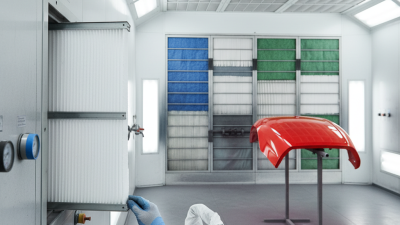
What is Paint Booth Exhaust Filter Roll and Its Benefits?
In the world of industrial painting, maintaining air quality is crucial. The Paint Booth Exhaust Filter Roll plays a vital role in achieving this goal. According to James Harrington, an expert in air filtration systems, “Quality air filtration is essential for a safe work environment.” His insights shed light on the importance of these filters.
The Paint Booth Exhaust Filter Roll is designed to capture airborne particles and harmful substances. This ensures a cleaner atmosphere for workers. A well-functioning filter prevents overspray and reduces contaminants in the air. However, selecting the right filter and maintaining it can be challenging. Many businesses overlook regular filter checks, risking their air quality.
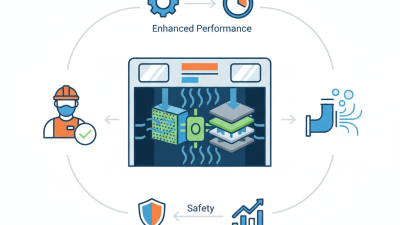
Implementing a Paint Booth Exhaust Filter Roll can lead to improved employee health and safety. Moreover, it enhances paint application quality. Nevertheless, without proper understanding and management, companies may face issues. Reflecting on filter performance is vital. Continuous education on air filtration is necessary for progress in this field.
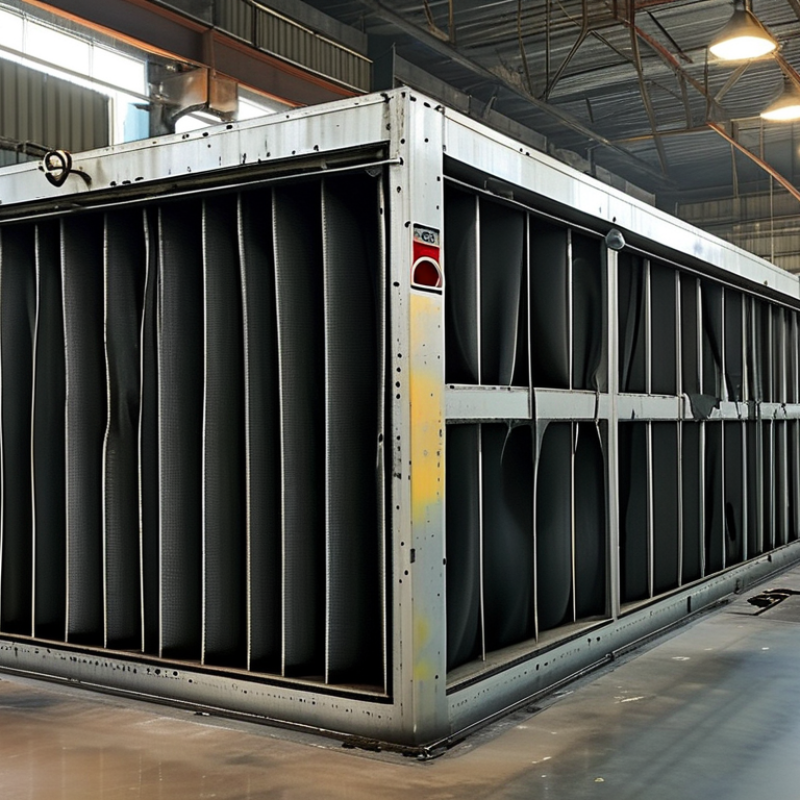
What is a Paint Booth Exhaust Filter Roll?
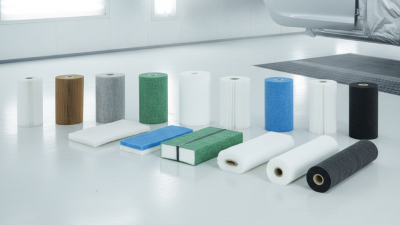
A paint booth exhaust filter roll is a crucial component in industrial painting operations. It is designed to capture airborne particles, paint overspray, and volatile organic compounds (VOCs) released during the painting process. These filters help maintain air quality and ensure a safe working environment. According to industry reports, improper filtration can lead to 40% higher paint waste and increase harmful emissions significantly.
Using a paint booth exhaust filter roll not only improves air quality but also enhances the efficiency of painting operations. The average paint booth can consume up to 50,000 cubic feet of air per minute. Efficient filtration can lead to less downtime and lower operational costs. Research indicates that upgrading filter systems can reduce energy consumption by 30%, positively impacting both finances and the environment.
For better maintenance, regularly monitor filter conditions. Change filters based on usage and paint type. Keep in mind that overused filters can lead to decreased airflow, increasing health risks. Reassess filtration systems periodically. Consider factors like process changes or new materials that can affect particulate levels. Understanding these nuances can help in making informed choices for air quality management in industrial settings.
Key Components of Paint Booth Exhaust Filter Systems
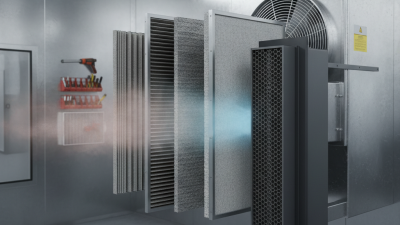
A paint booth exhaust filter system is crucial for maintaining air quality in industrial painting environments. These systems comprise several key components that work together to ensure efficiency. The primary element is the exhaust fan, which captures overspray and volatile organic compounds (VOCs). This reduces the risk of harmful fumes lingering in the workspace.
Filters are another essential part of the system. They trap particulates and paint overspray before air is released back into the environment. The type of filter used can significantly affect performance. High-efficiency filters reduce the amount of repainting necessary, leading to better resource management.
While these systems are effective, they also require regular maintenance. Clogged filters can hinder airflow and reduce overall efficiency. Facilities must be proactive in monitoring filter conditions. This diligence not only keeps the work environment safe but also helps in maintaining compliance with environmental regulations. Properly functioning exhaust systems contribute significantly to the sustainability of industrial operations.
Benefits of Using Exhaust Filter Rolls in Painting Operations
Exhaust filter rolls play a crucial role in painting operations. They capture overspray and airborne particles, ensuring a cleaner work environment. These filters effectively reduce hazardous fumes and pollutants. Consequently, they protect both workers and the surrounding environment from harmful exposure.
The benefits are clear. Using exhaust filter rolls improves air quality. Paint particles are trapped, minimizing inhalation risks. This is vital for maintaining a safe workplace. Moreover, cleaner air leads to better paint adhesion and finish quality. When filters are frequently replaced, it maximizes efficiency and productivity.
However, relying solely on exhaust filter rolls may not be enough. Regular maintenance and inspection are equally important. Operators should be vigilant about their setup. Additionally, some filters may not capture all particles, requiring complementary safety measures. Evaluating current practices can enhance the overall safety and effectiveness of painting operations.
Industry Standards for Paint Booth Air Quality and Filtration
Paint booth air quality is crucial for both worker safety and product quality. Industry standards emphasize that the air within a paint booth should conform to specific guidelines to minimize contaminants and ensure worker health. According to the EPA, acceptable levels of volatile organic compounds (VOCs) must be maintained to avoid harmful exposure. This underscores the importance of effective filtration systems.
Paint booth exhaust filter rolls play a significant role in meeting these standards. They capture overspray and airborne particles, which can include harmful chemicals and dust. Studies show that a high-quality filter can remove up to 98% of particulate matter, significantly improving air quality. Regular monitoring is essential, as filters can become saturated and lose effectiveness. This necessitates routine checks and timely replacements to uphold air standards.
Moreover, compliance with OSHA regulations is critical. This includes maintaining permissible exposure limits (PELs) for various substances. Failing to do so can lead to health risks for workers and potential fines. Unfortunately, some facilities overlook these standards, risking both health and legal repercussions. It is vital for industries to remain vigilant about their filtration systems, ensuring they meet current guidelines while also protecting their workforce.
Paint Booth Exhaust Filter Efficiency and Air Quality Standards
This bar chart illustrates the various air quality metrics related to paint booth exhaust filter performance. It highlights filter efficiency, particulate matter levels, volatile organic compounds, and airflow rates, providing insights into compliance with industry standards for air quality and filtration effectiveness.
Cost-Effectiveness and Efficiency of Exhaust Filter Rolls in Workspaces
Paint booth exhaust filter rolls play a crucial role in maintaining a clean and safe environment in various workspaces. These filters are designed to capture overspray particles and reduce air pollution. By effectively removing harmful contaminants, they improve air quality for workers. High-quality exhaust filter rolls ensure that the air remains fresh and reduces the risk of health issues.
Cost-effectiveness is a significant benefit of using exhaust filter rolls. Many businesses find that investing in these filters reduces their overall operational costs. Efficient filtration means less downtime for cleaning and maintenance. Moreover, when filter rolls operate effectively, they prolong the life of equipment, decreasing the need for expensive repairs. Businesses can enjoy substantial savings while creating a safer work environment.
However, selecting the right filter can be challenging. Businesses must consider factors such as frequency of use and type of materials sprayed. Not all filters suit every application. Regular assessment of filter performance is crucial. It's essential to weigh the upfront costs against long-term benefits. This approach leads to informed decisions that enhance both efficiency and cost-effectiveness in workspaces.
What is Paint Booth Exhaust Filter Roll and Its Benefits? - Cost-Effectiveness and Efficiency of Exhaust Filter Rolls in Workspaces
| Feature |
Details |
| Material |
Synthetic fiber, activated carbon, or polyester |
| Filtration Efficiency |
Up to 99% for particulates and VOCs |
| Typical Thickness |
1 to 4 inches |
| Cost-Effectiveness |
Reduces operational costs by improving airflow & reducing equipment wear |
| Service Life |
Typically ranges from 3 to 6 months |
| Applications |
Automotive, aerospace, woodworking, and industrial painting |
| Maintenance |
Easy replacement and minimal maintenance required |