2026 Top Spray Booth Filter Material for Global Buyers?
In the competitive world of automotive and industrial painting, the choice of Spray Booth Filter Material can significantly impact efficiency and air quality. According to a report by Global Market Insights, the spray booth filter market is projected to reach $1 billion by 2026, driven by rising safety standards and environmental regulations. High-quality filter materials ensure that harmful particles are captured, maintaining a safe workspace.
Current trends indicate a shift towards synthetic materials due to their durability and effective filtration capabilities. Industry experts suggest that filters with a higher MERV rating provide better protection against airborne contaminants. However, selecting the right Spray Booth Filter Material requires careful consideration, as not all materials meet specific needs effectively.
Despite advancements, challenges remain. Many businesses report difficulties in matching booth types with appropriate filter materials. This highlights an area for improvement in the industry. Understanding the nuances of various filter options is crucial for achieving optimal results. Investing in research and accurate data analysis can aid global buyers in making informed decisions.
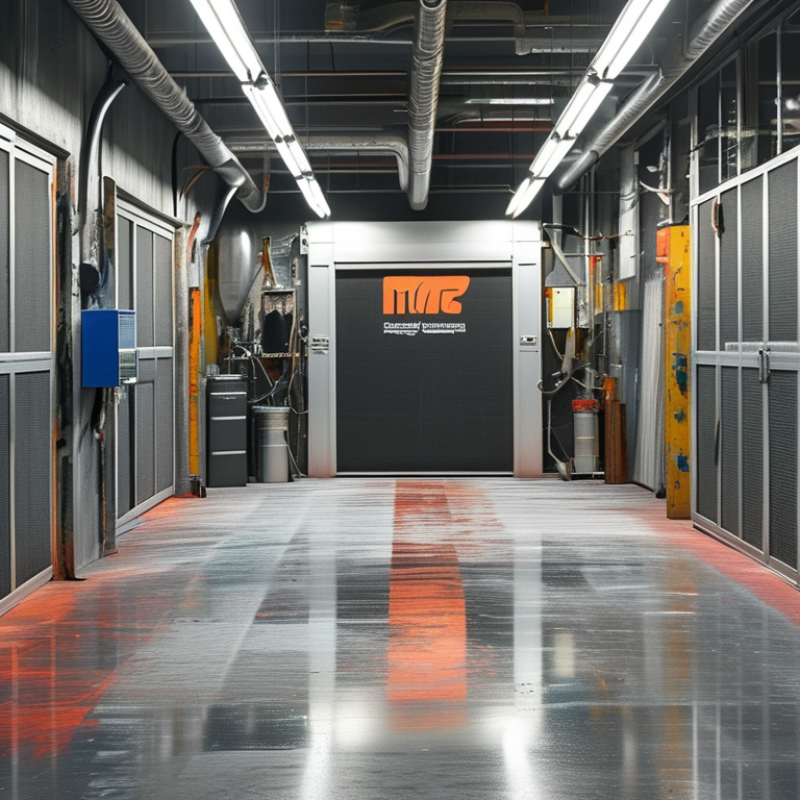
Overview of Spray Booth Filters and Their Importance
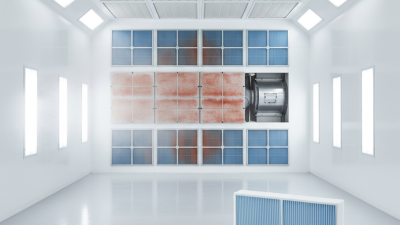
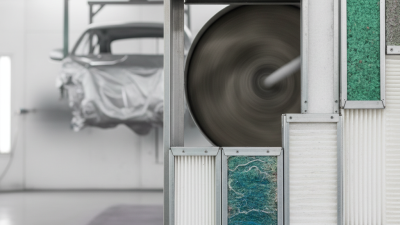
Spray booth filters are essential in various industries where painting and finishing occur.
These filters capture debris, dust, and overspray, ensuring a cleaner environment. The quality of air within a spray booth can directly affect product quality. Poor filtration can lead to imperfections on the finished surfaces, requiring costly rework.
The selection of the right filter material is crucial. Different materials have varying efficiency in trapping particles.
Some filters remove larger particles efficiently, while others excel at capturing finer contaminants. Regular maintenance and timely replacement of filters are often overlooked. Neglecting this can compromise the booth’s performance and lead to subpar results.
Understanding the importance of spray booth filters can help businesses avoid potential pitfalls. Many operators may underestimate the role of filtration. A lack of awareness can lead to increased operational costs due to wasted materials. Thus, investing in quality filters and developing a consistent maintenance schedule should be a priority for paint shops.
Types of Filter Materials Used in Spray Booths
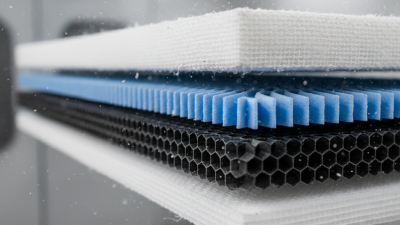
Choosing the right filter material for spray booths is crucial. Various types of filter materials are available, each serving a specific purpose. Commonly used materials include fiberglass, polyester, and activated carbon. Fiberglass filters are popular for their excellent particulate removal capabilities. They are efficient and relatively low-cost.
Polyester filters provide a balance between filtration efficiency and airflow. They are durable and can capture larger particles effectively. Activated carbon filters, on the other hand, excel at odor removal. These materials are often used in settings where fumes are a concern.
Despite their benefits, each material has limitations. Fiberglass filters can be less effective against smaller particles. Polyester filters may need more frequent replacements in high-traffic settings. Activated carbon filters can saturate quickly if not monitored. Understanding these nuances is essential for selecting the best filter material to meet specific needs in spray booths.
2026 Top Spray Booth Filter Material for Global Buyers
| Filter Material Type |
Filtration Efficiency (%) |
Dust Holding Capacity (g/m²) |
Max Operating Temperature (°C) |
Typical Applications |
| Polyester |
95 |
300 |
80 |
Automotive, Woodworking |
| Fiberglass |
90 |
150 |
60 |
Painting, Coating |
| Synthetic Media |
97 |
250 |
100 |
Industrial Spray Booths |
| Activated Carbon |
85 |
120 |
50 |
Odor Removal |
| Cellulose |
80 |
100 |
70 |
Light Spray Applications |
Key Features and Benefits of Top Filter Materials in 2026
In 2026, the demand for quality spray booth filter materials is more critical than ever. Key features of top filter materials include high-efficiency filtration, durability, and ease of installation. Recent market data indicates that filter efficiency directly impacts air quality and operational costs. Filters that capture 99% of particulate matter provide significant savings in maintenance. Such efficiency leads to cleaner environments and improved product quality.
Quality materials often use advanced synthetic blends. These blends enhance filtration while keeping airflow consistent. Reports suggest that these filters can last up to twice as long as traditional options. This longevity reduces waste and decreases replacement frequency, making them a preferred choice among professionals. However, the initial cost may deter some buyers. A cost-benefit analysis reveals that investing in better materials pays off over time.
Installation of these filters should be straightforward. Complications can occur if measurements are not precise. Proper alignment ensures optimal performance and reduces the risk of leaks. Regular training on filter maintenance can also drive better outcomes. Feedback from users indicates that ongoing education can address common installation challenges. This need for continuous learning reflects the evolving nature of spray booth technology.
2026 Top Spray Booth Filter Material Analysis
Global Market Trends for Spray Booth Filter Materials
As the global market for spray booth filter materials evolves, several trends are emerging. In 2022, the global demand for spray booth filters exceeded $1.5 billion, with projections indicating a steady annual growth rate of around 5% until 2026. This demand is driven by the increasing need for efficient filtration processes in automotive and industrial applications.
One notable trend is the shift toward more sustainable materials. Manufacturers are researching biodegradable options to reduce environmental impact. Innovative synthetic fibers are gaining traction for their durability and filtration efficiency. Consumers are becoming more aware of the importance of clean air and the role of effective filters in maintaining workplace safety. However, not all materials meet stringent regulations, which raises questions about their long-term utility.
Tip: When selecting filter materials, consider the efficiency rating. A higher rating often means better filtration but may come at a higher cost.
Additionally, the rise of automation and robotics in painting processes is influencing filter design. Traditional materials may not withstand the harsh environments created by these technologies. This presents a challenge for manufacturers who must innovate continuously. The industry must balance performance and cost-effectiveness, making informed decisions critical.
Tip: Regularly assess your filter choice against the latest market trends. This can help ensure compliance and efficiency.
Recommendations for Selecting the Best Spray Booth Filter Material
When selecting spray booth filter material, it's essential to consider several factors. The material must effectively capture overspray particles and maintain airflow. A common mistake buyers make is overlooking the filter's durability. Filters that degrade quickly can lead to increased costs and reduced efficiency.
Different environments may require specific filter characteristics. For instance, a facility with high humidity levels may need moisture-resistant filters. Additionally, the particle size your filters need to capture is crucial. Some buyers focus only on the filter's initial efficiency, forgetting that performance can decline rapidly after use.
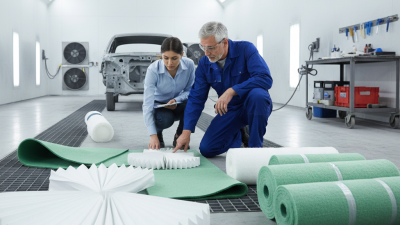
It's wise to review filter specifications thoroughly. Look for certified efficiency ratings, as they reflect the filter's performance. However, don’t rely solely on these ratings; seek insights from experienced industry professionals. Their firsthand knowledge can highlight potential issues and improvements. Being aware of your facility’s unique demands will lead to more informed decisions in filter selection.