Paint Spray Booth Filters may look like simple consumables, but their performance shapes finish quality, airflow, maintenance intervals, and operating costs. The global paints and coatings market was valued at approximately USD 179.98 billion in 2023, according to Grand View Research’s 2024 industry report. That figure does not measure booth-filter demand directly. It does, however, show the scale of the coating activity that depends on reliable production processes.
For global buyers, the right filter is rarely the cheapest one on a specification sheet. Fiber type, holding capacity, pressure drop, booth design, and replacement access all matter. A filter that loads too quickly can interrupt work; one that is poorly matched may let overspray travel farther than expected. Small details count. The edge seal. The airflow reading. The dust on a worker’s sleeve.
Ventilation engineer Dr. William Bahnfleth, an ASHRAE Fellow, is relevant to this system-level view. The following is an editorial paraphrase, not a verbatim quotation: “Assess airflow as a complete system, not as a filter alone.” That distinction can help buyers compare products more carefully. Still, there is no universal winner. Booth conditions differ, and published specifications do not replace a real operating trial. This Top 10 guide examines filter types and buying considerations for varied production needs, while recognizing that some comparisons remain imperfect without consistent test conditions.
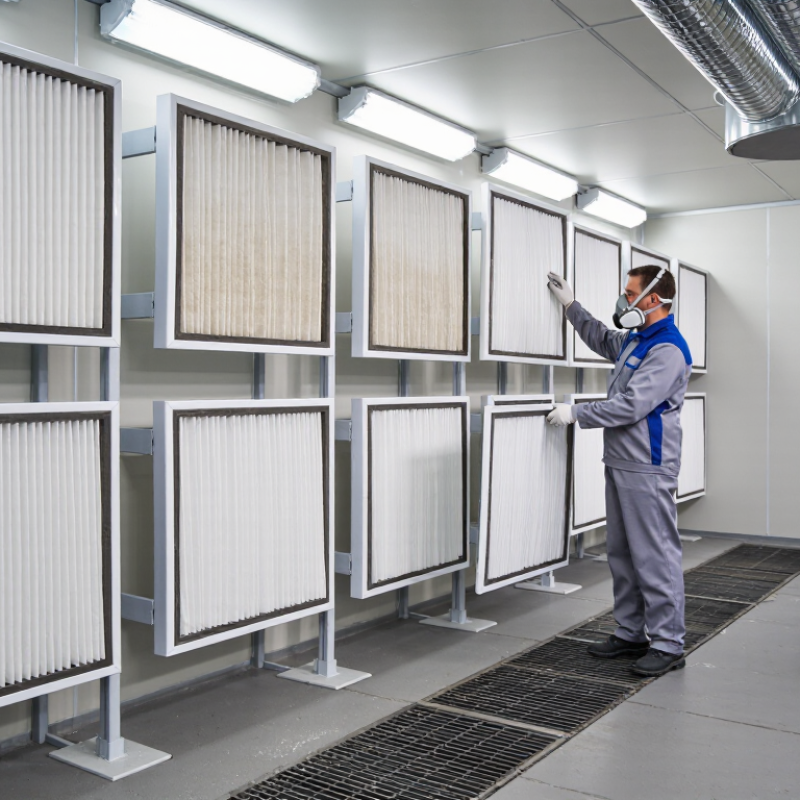
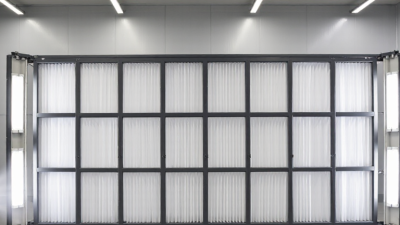
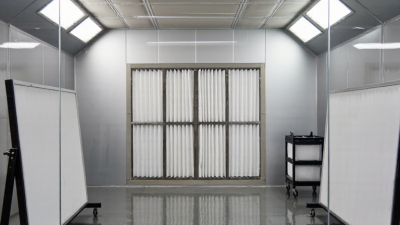
Paint booth filters are easiest to compare by their position in the airflow path. Intake filters clean incoming air before it reaches the work zone. Common options include coarse prefilters, ceiling media, and fine final-stage panels. They help limit dust on wet paint. Air enters here.
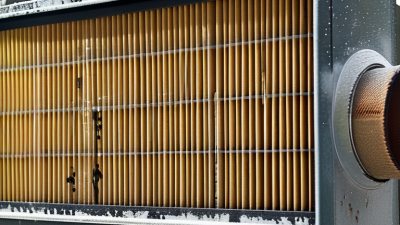
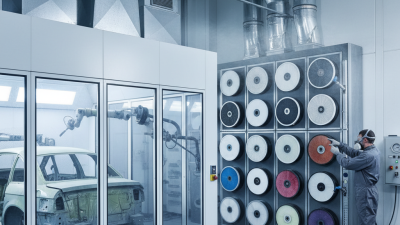
Exhaust filters capture overspray after air passes the painted object. Typical choices include fiberglass paint-arrestor rolls, layered pads, and pleated paper or cardboard media. Their job is to retain droplets without restricting airflow too quickly. Check media depth, rated face velocity, and pressure-drop data against booth requirements. A filter that loads quickly can increase resistance and disturb airflow. That distinction matters.
For global purchasing, confirm dimensions, temperature limits, replacement guidance, and packing details with the supplier. Humidity and long transit may affect packaging or media condition, so ask about storage. Do not choose by color or price alone; compare capture performance and pressure drop under stated test conditions. The categories are useful, but not perfect: some booths combine stages, and actual service life depends on paint and operating hours. Charts cannot predict every booth’s loading pattern.
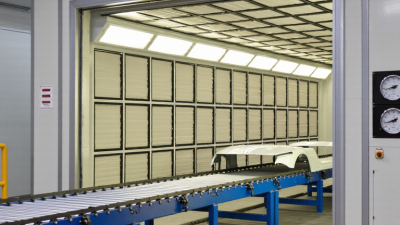
Paint spray booth filters should be selected by where they sit and what they need to capture. Fiberglass media is commonly used as an exhaust paint-arrestor filter, trapping overspray before air leaves the booth. Its layered fibers can hold paint, but a loaded filter restricts airflow. Check pressure readings and replace it according to the booth maker’s guidance.
Paper filters, often built with folded or layered panels, suit many dry-booth overspray applications. They can be practical where regular disposal is preferred, though their capacity varies with paint type and spray volume. Polyester media may serve as an intake or exhaust filter, depending on its design and rating. Some products are washable, but do not assume that every polyester filter can be cleaned and reused. Fit matters.
Ceiling filters are designed to distribute incoming air and capture fine particles above the work area. They are not a substitute for exhaust paint-arrestor media. A useful check is to inspect the filter frame for gaps and confirm that airflow remains even across the booth. Small leaks can let dust reach a fresh coating. In practice, buyers sometimes focus too heavily on purchase price; filter dimensions, pressure drop, replacement intervals, and local availability also affect operating costs. No single material suits every booth, and matching the filter to its position is easy to overlook.
| Rank | Filter Type and Material | Typical Booth Position | Best Use | Practical Strengths | Important Considerations |
|---|---|---|---|---|---|
| 1 | Progressive-density fiberglass paint-arrestor media | Exhaust side; often installed as a roll or cut-to-size pad | Capturing paint overspray in compatible crossdraft or downdraft exhaust systems | Graded fiber structure can distribute paint loading through the media; available in formats suited to different filter housings. | Confirm airflow direction, dimensions, and the booth’s required pressure-drop limits. Replace when loaded or when the booth manufacturer’s criteria are reached. |
| 2 | Standard fiberglass paint-arrestor pad | Exhaust filter bank | General-purpose overspray capture where the booth is designed for fiberglass media | Lightweight, commonly supplied in rolls or pads, and straightforward to cut and install. | Performance varies by construction and paint type. Avoid assuming that all fiberglass pads have the same capacity or capture performance. |
| 3 | Nonwoven polyester overspray media | Exhaust side | Paint booths requiring a synthetic-fiber alternative to fiberglass | Nonwoven structure can provide consistent coverage; some constructions are washable, but only when specifically designed for reuse. | Check compatibility with the coating, cleaning method, and booth design. Many polyester overspray filters are disposable rather than washable. |
| 4 | Tackified polyester overspray media | Exhaust filter bank | Capturing sticky or airborne overspray in systems specified for tackified media | Adhesive treatment helps retain captured paint particles within the filter structure. | Confirm that the tackifier is compatible with the coating and operating conditions. Monitor loading and airflow; tackified media is not suitable for every booth. |
| 5 | Expanded-paper accordion or labyrinth filter | Exhaust side, typically in a suitable retaining frame | Overspray capture in compatible booths, especially where a rigid, folded filter format is preferred | Folded passages make paint particles change direction, encouraging deposition inside the filter; the design can hold overspray through its depth. | Use only the size and configuration intended for the booth. Saturation increases resistance and can reduce exhaust airflow. |
| 6 | Multi-layer paper paint-arrestor panel | Exhaust filter bank | Paint capture where the booth is designed for layered or pleated paper panels | Layered passages provide a defined path for overspray capture and can be replaced as a complete panel. | Paper-based filters are not interchangeable with every accordion design. Verify panel dimensions, airflow direction, and disposal requirements. |
| 7 | Progressive-density ceiling filter media | Supply-air ceiling or plenum | Final supply-air filtration in downflow and other ceiling-fed spray booths | Designed to distribute incoming air and help limit airborne dust reaching the work area; density may increase through the media depth. | Use the grade specified for the booth. A supply filter is not a substitute for an exhaust paint-arrestor filter. |
| 8 | Synthetic ceiling filter with support scrim | Ceiling grid or supply-air plenum | Ceiling-fed booths that need supported synthetic media for incoming-air filtration | Synthetic fibers resist moisture better than many paper-based materials, and a scrim can help support the media during installation. | Check the airflow direction and whether the design is suitable for the ceiling frame. Incorrect fit can allow air to bypass the filter. |
| 9 | High-loft polyester floor-exhaust media | Floor or pit exhaust section of a downdraft booth | Capturing overspray in booths that draw air downward through floor-level filters | High-loft structure provides depth for paint loading and can be supplied in formats made for floor grates or retaining systems. | Use media intended for floor-exhaust service and secure it against movement. Keep floor grates clear and replace media as loading raises airflow resistance. |
| 10 | Panel or bag prefilter for make-up air | Air-intake or make-up-air unit, upstream of booth supply filtration | Removing larger airborne particles before air reaches the booth’s final supply or ceiling filters | Can reduce dust loading on downstream filters when selected as part of a staged air-filtration system. | This is a prefilter, not a paint-overspray exhaust filter. Check the unit’s pressure-drop limits and replace it before restricted airflow affects the system. |
Selection note: Filter performance, pressure drop, service life, and capture efficiency depend on the specific construction, airflow, paint, and test method. Match the filter to the booth manufacturer’s requirements and applicable local fire, environmental, and waste-disposal rules.
For global buyers comparing paint spray booth filters, MERV 13 is a useful fine-particle benchmark, not a guarantee of booth performance. ASHRAE Standard 52.2-2017 rates filters by particle-size efficiency: MERV 13 requires at least 50% average efficiency for 0.3–1 μm particles, 85% for 1–3 μm, and 90% for 3–10 μm. The figures come from controlled laboratory testing. Real booth results also depend on airflow, filter loading, installation, and the type of coating.
Small particles matter. But overspray is not just fine dust. A tacky layer of paint can quickly load a filter, raise pressure drop, and reduce airflow. MERV 13 alone does not measure paint-arresting capacity or prove that a filter is suitable for a booth’s exhaust stage. Check the supplier’s test data for pressure drop and dust-holding capacity, then compare those figures with the booth’s rated airflow. A practical check: inspect the filter face for uneven loading and monitor pressure across the filter. I would not choose on MERV alone; it is an easy number to compare, but an incomplete one. Sources: ASHRAE Standard 52.2-2017, Table 12-1; U.S. EPA, Air Pollution Control Cost Manual, Section 3, Chapter 2, “Spray Paint Booths.”
Minimum particle-removal efficiency by particle-size range under ASHRAE Standard 52.2
MERV 13’s minimum average efficiencies are 50% for 0.3–1 μm particles, 85% for 1–3 μm, and 90% for 3–10 μm. MERV ratings describe general air-filter performance; paint overspray capture and booth-filter selection require separate assessment against booth specifications and operating conditions.
Source: ASHRAE Standard 52.2, MERV efficiency ranges.
For global buyers, a paint spray booth filter is a safety component, not just a replacement part. OSHA 29 CFR 1910.107 sets a 100 feet-per-minute average air-velocity benchmark for many non-electrostatic spray operations, subject to the standard’s conditions and exceptions. That figure is a useful starting point, not proof that any filter suits a booth. NFPA 33 also addresses spray-area design, ventilation, and fire protection; verify the edition adopted for the project and local authority requirements.
Not just airflow.
Before choosing a filter, record the booth’s opening dimensions, exhaust-fan capacity, coating type, and the manufacturer’s stated initial and final pressure drops. OSHA requires suitable filter material and regular attention to overspray buildup; its rule also limits dry-filter use in certain ignition-risk situations. A clogged filter can raise resistance and reduce airflow, so inspect pressure readings and confirm face velocity during commissioning and routine checks.
Small detail.
A filter’s advertised capture efficiency alone does not establish compliance. Match the filter’s fire characteristics and maintenance schedule to the coating and operating conditions, then document inspections. I would still challenge one common assumption: a filter that fits the frame may not preserve safe ventilation. Check actual airflow.
Rank Filters by Pressure Drop, Dust-Holding Capacity, and Changeout Cost
A practical ranking starts with the filter’s job, not its label. For intake, coarse panel prefilters and synthetic pads often offer low pressure drop and inexpensive replacement. Fiberglass intake media can cost less, but may need closer inspection. Pleated intake filters and pocket filters generally hold more dust, though their initial resistance and purchase cost can be higher. Ceiling diffusion media helps distribute incoming air evenly. Check that airflow remains suitable as dust builds.
For exhaust, floor paint-arrestor pads and rolled exhaust media can provide generous dust-holding capacity at modest cost. Multilayer exhaust filters may capture more overspray, but compare their loaded pressure drop. High-capacity exhaust rolls can reduce changeouts in busy booths. Final polishing filters may capture finer particles, yet usually cost more and load faster when prefiltration is weak. That matters. These ten options are not a universal league table; booth design, coating use, and operating hours can change the order. Some comparisons are imperfect without measured site data.
Tips: Track pressure drop with a gauge, and record changeout dates. Compare filters at the same airflow and loading condition. A cheap filter is not always cheaper if it needs frequent replacement. Keep one detail in view: uneven loading can make an average reading misleading.