What Is a Spray Booth Paint Filter?
A Spray Booth Paint Filter is more than a panel tucked behind a booth wall. It captures paint droplets and overspray before they travel through the exhaust system. In a working booth, its condition can affect airflow, finish quality, housekeeping, and maintenance schedules. The filter type and placement matter. So does the way the booth is operated.
Think of a painter finishing a door panel under bright lights. A loaded filter may restrict airflow, while a poorly matched filter may allow more overspray to pass through. Neither problem is always obvious at a glance. Pressure readings, visible buildup, and the manufacturer’s replacement guidance offer useful clues. They are practical checks, not a substitute for understanding the booth’s design.
A trustworthy explanation should also be clear about its limits. Filter performance depends on the coating, application process, airflow, and booth configuration. There is no single filter that suits every job. An industry expert’s verified name and quotation should be added only after checking a reliable source; inventing an attribution would undermine the article’s credibility. That detail matters. Before selecting or replacing a Spray Booth Paint Filter, confirm its specifications with the filter supplier or booth manufacturer. A small label can prevent a costly mismatch.
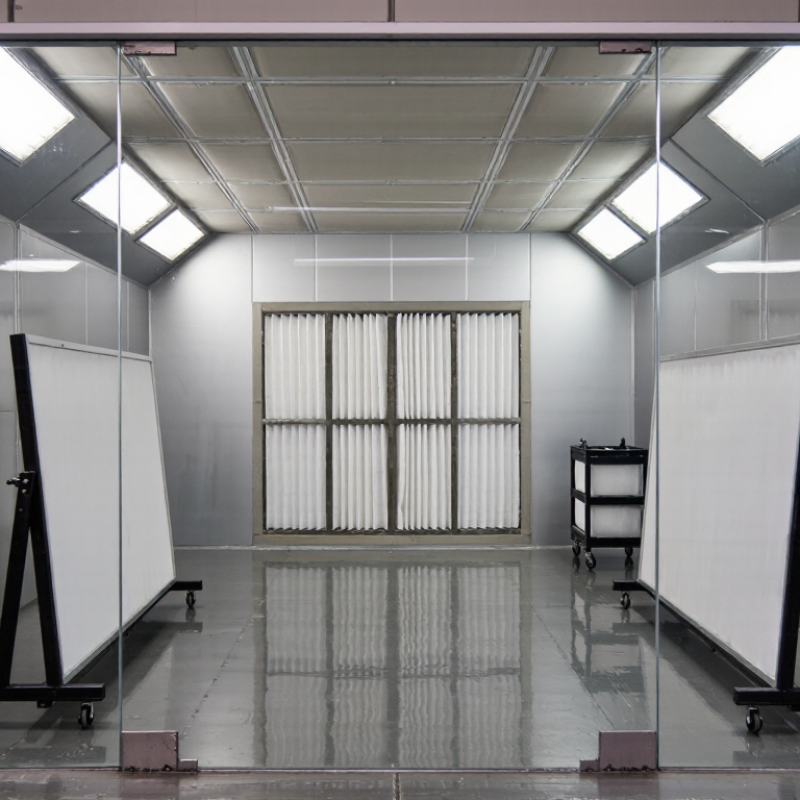
Spray Booth Paint Filters: Definition and Basic Structure
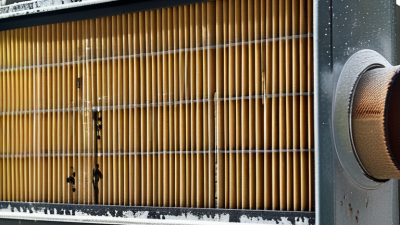
A spray booth paint filter is a replaceable barrier that captures airborne coating particles before exhaust air leaves the booth. It is not the same as a carbon filter, which targets certain vapors. Most paint filters use layered fiberglass, polyester, or paper media. The fibers create a tortuous path, allowing air to pass while wet and dry overspray collects on the surface.
The basic structure usually has three parts: filter media, a retaining frame, and a support grille. The frame keeps the media sealed against the booth wall. The grille prevents sagging when the filter becomes loaded. Some systems add a secondary filter for finer particles.
According to EPA AP-42, Chapter 4.2, surface-coating calculations separate coating solids into applied, transferred, and emitted portions. This matters because poor filter loading can increase visible emissions and cleaning demand. The U.S. EPA also links filter condition with particulate-control performance in surface-coating guidance.
Pressure drop is a practical measurement. ASHRAE filtration guidance commonly evaluates filters by efficiency and resistance, not efficiency alone. A clean filter may show low resistance, while a loaded filter restricts airflow and changes spray patterns. In field inspections, a gray filter is not automatically finished. Weight, airflow, and pressure readings are better evidence. That assumption is easy to miss. Filter replacement intervals still require judgment, because paint type, booth velocity, humidity, and operator technique can change results.
How Paint Filters Capture Overspray
What Is a Spray Booth Paint Filter?
How Paint Filters Capture Overspray
A spray booth paint filter is a porous barrier that traps airborne paint droplets before they reach the exhaust system. It sits behind the spray area, often across a framed intake or exhaust wall. As coating particles move through the filter, fibers slow the airflow and collect overspray on their surfaces. Larger droplets impact the fibers directly. Smaller particles follow the air stream and become trapped through interception and diffusion.
Filter structure matters. Deep, layered media can hold more paint than a thin single-layer pad. Airflow must remain steady, because excessive pressure can push particles through weak areas. During routine booth inspections, technicians often check for dark patches, loose edges, and paint buildup around the frame. These details can reveal uneven loading. A filter may look usable but already restrict airflow.
Overspray capture is not perfect. Very fine particles can escape when the filter is overloaded, damaged, or poorly fitted. Moisture and incompatible coatings can also change filter performance. Replace filters according to pressure readings, visible loading, and the coating process, not appearance alone. Keep the filter seated tightly. Small gaps can become major leak paths. In practice, operators sometimes wait too long, and that mistake increases fan strain and cleaning work. A pressure gauge helps, but it still needs regular checking and sensible interpretation.
Common Types of Spray Booth Filters
What Is a Spray Booth Paint Filter?
A spray booth paint filter captures overspray before it reaches the exhaust system. It also protects fans, ducts, and nearby work areas. The U.S. Environmental Protection Agency’s AP-42 guidance identifies coating operations as sources of particulate matter and volatile organic compounds. Filter selection therefore affects both air quality and maintenance costs.
Common Types of Spray Booth Filters
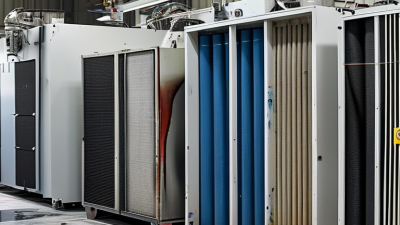
Fiberglass and paper panel filters are common for general overspray. They are affordable, lightweight, and easy to replace. However, they can load quickly during heavy spraying.
Pleated polyester filters offer greater surface area and usually hold more paint particles. Some booths use pocket or bag filters after the first stage. These improve dust retention and reduce pressure changes.
High-efficiency filters serve a different purpose. Under ASHRAE Standard 52.2, MERV 13–16 filters provide at least 85% efficiency for particles between 1 and 3 microns. That rating does not mean every paint mist behaves identically. Wet coatings can saturate media faster than test dust suggests. This is where specifications become imperfect.
A practical inspection checks pressure, filter color, airflow, and coating buildup. Replace filters before airflow visibly weakens. Waiting for complete blockage is a costly habit. In real workshops, operators sometimes choose the highest rating available. That choice may restrict airflow and reduce booth performance. The correct filter balances capture efficiency, pressure drop, coating type, and replacement frequency.
Factors That Affect Filter Selection
What Is a Spray Booth Paint Filter?
Factors That Affect Filter Selection
A spray booth paint filter captures airborne paint particles before they enter the exhaust system. In practice, it also protects fans, ducts, workers, and nearby surfaces. I have seen a filter appear clean while its airflow had already dropped. Appearance can mislead.
The coating type is a major selection factor. Water-based coatings, solvent-based coatings, and high-solid materials produce different particle loads. Check the filter’s capture efficiency, pressure-drop rating, and chemical resistance. A filter that traps fine overspray may restrict airflow too quickly. That creates uneven drying and can affect the finish.
Particle size matters. Fine mist needs denser media, while heavier particles may need staged filtration. Booth airflow, fan capacity, spray volume, and operating hours also influence filter life. A small workshop may replace filters by calendar date, but this is not always reliable. Monitor pressure when possible. A rising reading gives better evidence.
Humidity and temperature can change performance. Damp conditions may soften some media or increase particle buildup. Filter dimensions must match the frame tightly. Gaps allow overspray to bypass the media. Maintenance habits matter just as much. Even a high-quality filter performs poorly when installed backward or left overloaded.
Local workplace requirements should guide the final choice. Safety data sheets can clarify coating hazards and cleaning needs. The best selection is not always the densest filter. It should balance capture, airflow, service life, disposal needs, and actual booth conditions. That balance deserves regular review.
What Is a Spray Booth Paint Filter?
Factors that affect filter selection
Filter selection depends on the overspray load, required particle capture, airflow resistance, filter service life, fire-safety requirements, and operating cost. Higher capture efficiency can improve air quality, but it may also increase pressure drop and replacement frequency if the filter loads quickly.