China Top Spray Booth Filter Material for Global Buyers?
In today’s global market, the demand for high-quality Spray Booth Filter Material is ever-increasing. As more industries recognize the importance of clean air in their operations, sourcing the right materials becomes critical. Dr. Emily Zheng, an expert in air filtration systems, emphasizes, “The efficiency of spray booth operations relies heavily on the right filter materials.” This insight sheds light on the pivotal role of selecting robust filter components.
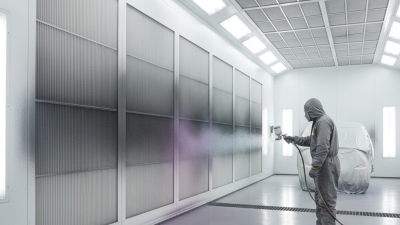
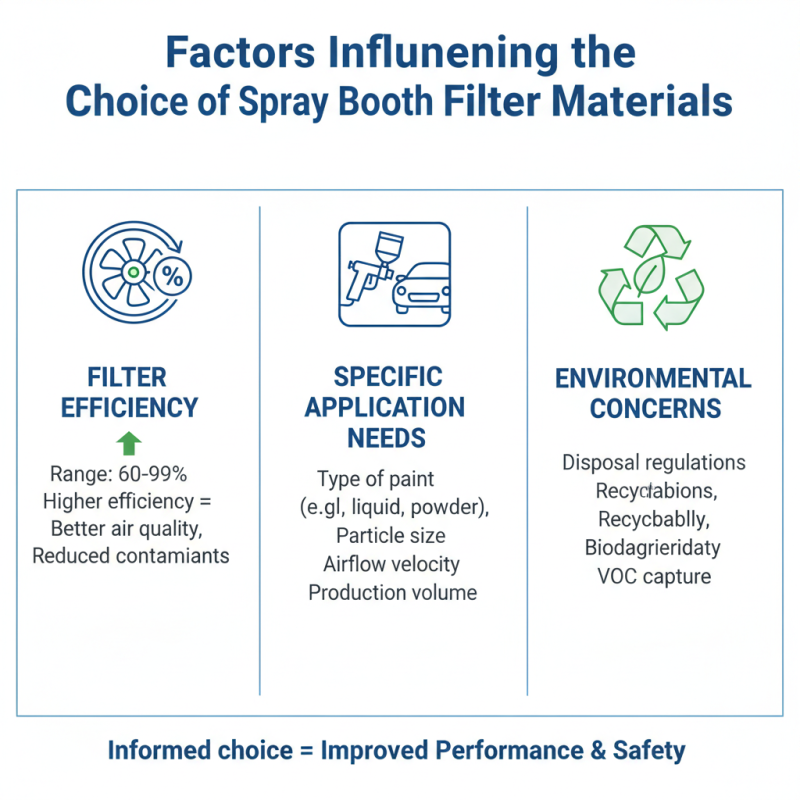
Spray Booth Filter Material serves as the frontline defense against paint overspray and harmful particulates. A suitable filter material not only protects equipment but also ensures better air quality. Buyers seeking these materials today must navigate various options, from HEPA filters to synthetic media. Each choice presents unique benefits and potential drawbacks, making informed decisions essential.
While the market offers numerous solutions, not all filters are created equal. Some may lack durability or efficiency, ultimately compromising performance. Reflection on previous purchases often reveals valuable lessons in quality versus cost. Choosing the right Spray Booth Filter Material requires diligence and foresight. It’s not merely about meeting regulations; it's about enhancing overall operational effectiveness.
China's Leading Spray Booth Filter Materials Overview
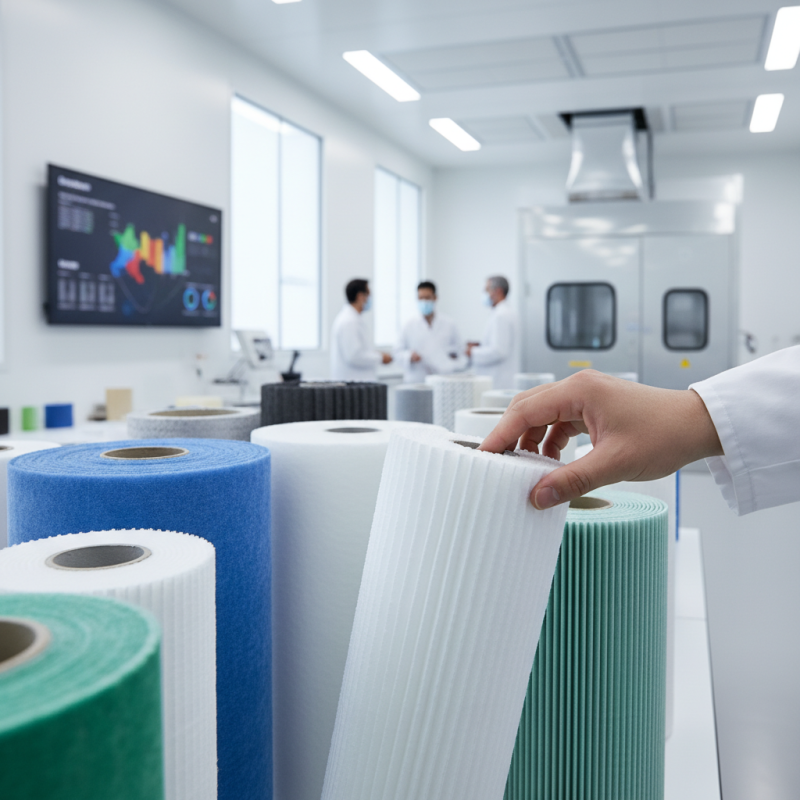
In the realm of spray booth operations, filter materials play a crucial role. China has emerged as a significant supplier in this market. Their materials cater to diverse industrial needs, ensuring high efficiency in air purification and contamination control.
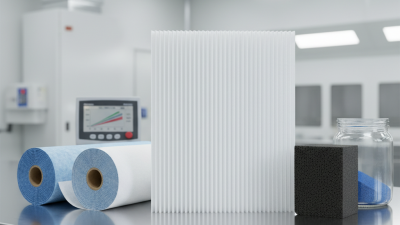
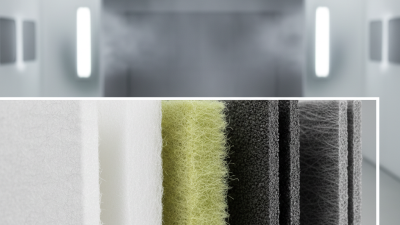
China's spray booth filter materials come in various types, including fiberglass and polyester. Each type has distinct advantages, such as durability and excellent filtration efficiency. Many manufacturers emphasize quality control, ensuring that the materials meet international standards. This focus on quality has earned Chinese manufacturers respect in the global market.
Tips: Consider the type of spray booth you operate. Different filters suit different environments. Always opt for high-density filters for better particle capture in critical applications.
While China’s leading manufacturers showcase advanced technology, there are areas for improvement. Some filter materials may not perform as expected under extreme conditions. Buyers should conduct thorough assessments before making large-scale purchases. Engaging with suppliers about their quality tests can foster better investment decisions. Always seek feedback from other users to gauge reliability.
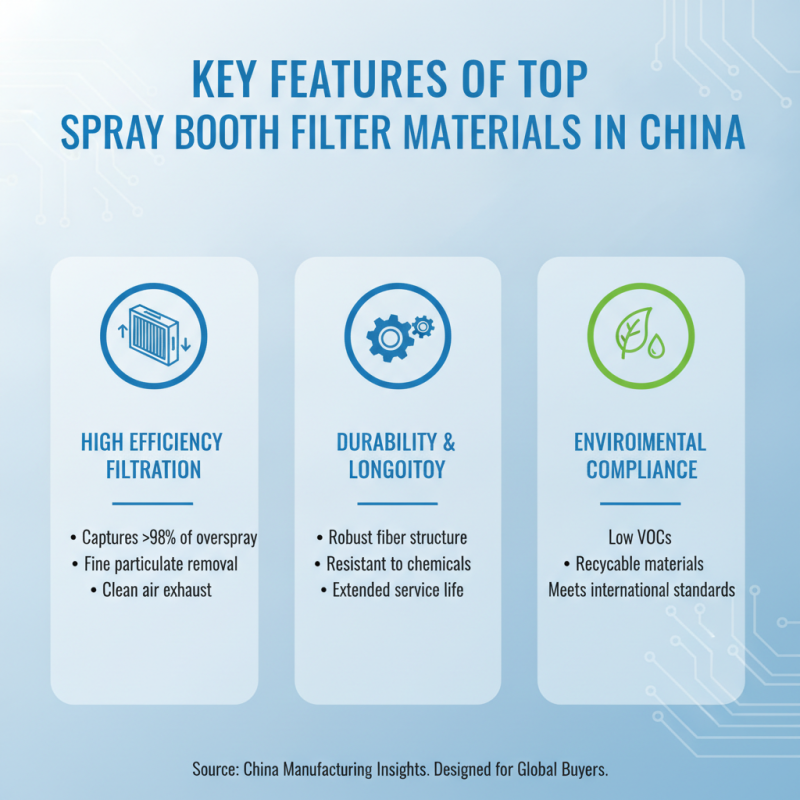
Key Features of Top Spray Booth Filter Materials in China
China is gaining recognition for its high-quality spray booth filter materials. These materials play a critical role in various industries, from automotive to coating. Understanding their key features can help global buyers make informed decisions.
One notable feature is the material's ability to capture airborne particles efficiently. Many options boast high filtration efficiency, which ensures cleaner air in spray booths. Additionally, these filters often show resistance to chemicals, prolonging their lifespan and effectiveness. Buyers should also consider the ease of installation. Some filters come in user-friendly formats, making the replacement process quick and hassle-free.
Sustainability is an emerging concern. Manufacturers are increasingly focusing on eco-friendly materials. These biodegradable options can reduce environmental impact. However, potential buyers should be cautious. Not all "green" products perform equally; thus, thorough research is essential. Understanding these nuances can help clients balance performance with environmental responsibility.
Market Trends for Spray Booth Filters Among Global Buyers
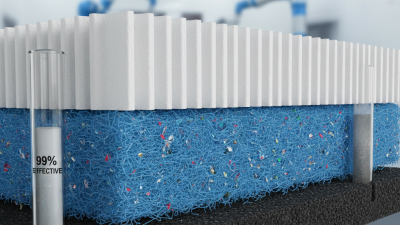
The demand for spray booth filter materials is increasing globally. Industry reports indicate a projected growth rate of 6.5% annually through 2027. Buyers are increasingly focused on materials that offer better filtration efficiency and longer lifespan. High-efficiency particulate air (HEPA) filters are gaining traction, especially in facilities that require stringent environmental standards. These filters can capture up to 99.97% of particles, making them optimal for various applications.
Sustainability is also a key trend. Many buyers are seeking eco-friendly materials that minimize environmental impact. Reports show that 30% of buyers prioritize sustainable sourcing in their purchasing decisions. Innovative materials that can be recycled or have a reduced carbon footprint are becoming more appealing. There is a noticeable shift towards adopting products aligned with green initiatives, reflecting a broader trend in the manufacturing sector.
However, not all manufacturers can keep up with these trends. Some suppliers still rely on outdated materials, leading to inefficiencies. This inconsistency in quality affects buyer satisfaction and industry standards. Even with growing awareness, the transition to better materials is slow for some. Adequate education about the benefits of modern filters is essential for improvement.
Comparative Analysis of Chinese Spray Booth Filters vs. Global Alternatives
When comparing Chinese spray booth filters to global alternatives, several factors come into play. Data from the Industry Research Institute shows that Chinese filters account for over 40% of the global spray booth filter market. They often provide competitive pricing while maintaining quality standards. However, this is not without challenges.
Despite their affordability, some users report variability in performance. The filtration efficiency of some Chinese products may not match premium international options. In rigorous environments, filtration media must meet specific standards. According to the International Organization for Standardization, filters should capture particles as small as 0.3 micrometers with at least 99% efficiency.
On the other hand, European and North American filters tend to prioritize durability and long-term performance. Reports indicate that these filters often last longer but come with higher initial costs. Users should weigh the trade-offs between cost and efficiency. This choice can impact operational costs in the long run. It’s essential to scrutinize manufacturer claims and seek independent testing data where possible.