Top 10 Spray Booth Paint Filter Options for Global Buyers?
In the competitive realm of automotive and industrial painting, the importance of selecting the right Spray Booth Paint Filter cannot be overstated. Jane Smith, an industry expert with over 15 years of experience, states, “The right filters not only enhance paint quality but also ensure a safe working environment.” These filters play a critical role in trapping airborne contaminants, ensuring that paint products adhere correctly and look pristine.
Choosing from the myriad of options in the market can be overwhelming. Buyers must consider efficiency, durability, and the specific needs of their spray booth. Many overlook the importance of filter maintenance and replacement schedules. This can lead to subpar finishes and costly rework. Filters are an investment in quality. Recognizing this is essential for any buyer aiming to improve their operations.
Moreover, while many products promise exceptional performance, not all live up to expectations. It’s important to analyze specifications and seek testimonials from peers in the industry. Remember, not every option will suit every application. Thoughtful consideration will pave the way for a cleaner, more effective painting process.

Top Considerations When Choosing Spray Booth Paint Filters
When selecting spray booth paint filters, various factors significantly impact their effectiveness. The filter's MERV rating is crucial; a higher rating indicates better particle capture. For example, filters with MERV ratings of 8 to 13 are ideal for spray booths. They can efficiently capture paint overspray and dust.
Another vital consideration is airflow resistance. Filters must balance high filtration efficiency and low airflow resistance. Excessive resistance can reduce airflow and impair the paint application process. Keeping track of this balance is essential. According to recent industry studies, proper airflow enhances paint quality and reduces waste.
Tip: Regularly check and replace filters to maintain optimal performance. Neglecting this can lead to air quality issues in the booth.
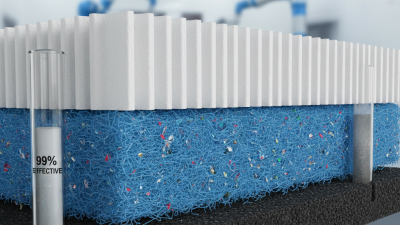
Users should also consider the filter material. Synthetic materials often have higher dust-loading capacities compared to fiberglass. This can enhance their lifespan and reduce maintenance costs.
Tip: Keep a log of filter changes to ensure adherence to best practices. This will help prevent unexpected downtimes in the paint booth operations.
Investing time in selecting the right paint filter can lead to better finish quality, reduced waste, and improved safety in the workspace.
Types of Spray Booth Paint Filters Available in the Market
When selecting spray booth paint filters, various options are available to meet different needs. The most common type is the high-efficiency particulate air (HEPA) filter. These filters capture small particles effectively, ensuring a cleaner environment for paint application. They are crucial in reducing contaminants, enhancing air quality, and protecting both the workforce and the painted products.
Another popular choice is the pleated filter. This type offers a larger surface area, allowing for better airflow while trapping particles. While pleated filters can be more efficient, they may require more frequent replacements. Users must balance efficiency and maintenance costs when choosing this option. Some filters are washable, promoting sustainability. However, they might not trap as many fine particles as disposable filters, which can be a concern.
Choosing the right spray booth filter can be complex. It is important to evaluate the specific needs of your operation. Factors like airflow, particle size, and replacement frequency should influence your decision. Understanding these differences helps ensure effective performance. Filtering paint particles impacts not just the quality of the paint job but also the safety of the workspace. Reflecting on these criteria can lead to better outcomes.
Top 10 Spray Booth Paint Filter Options for Global Buyers
| Filter Type |
Material |
Efficiency Rating |
Application |
Lifespan |
| Pleated Paint Filter |
Polyester |
95% |
General Spray Booth |
2-4 weeks |
| Activated Carbon Filter |
Activated Carbon |
90% |
Odor Control |
1-3 weeks |
| Fiberglass Filter |
Fiberglass |
85% |
Heavy Duty Spray |
2-4 weeks |
| Non-Woven Filter |
Synthetic Fiber |
95% |
Fine Particulate Filtration |
3-5 weeks |
| Mesh Filter |
Metal |
80% |
Durable Applications |
Indefinite with Cleaning |
| Paper Filter |
Cellulose |
70% |
Basic Filtration |
1-2 weeks |
| High-Efficiency Particulate Air (HEPA) Filter |
Fiberglass |
99.97% |
Medical and Laboratory |
6-12 months |
| Electrostatic Filter |
Electret Material |
95% |
Advanced Spray Systems |
3-6 months |
| Oil Mist Filter |
Aluminum or Plastic Media |
90% |
Machining Processes |
1-4 weeks |
| Paint Booth Filter Roll |
Polyester Blend |
95% |
Custom Size Applications |
2-3 weeks |
Comparison of Filter Efficiency and Performance Ratings
When selecting spray booth paint filters, efficiency and performance matter greatly. Choosing the right filter can drastically improve air quality and enhance paint application. Various filter options provide different levels of efficiency. It’s essential to compare these options to find the best fit.
Performance ratings often depend on the filter's design and material. Filters with higher MERV ratings typically capture smaller particles. However, not all high-rated filters are adaptable for every spray booth. Some filters may restrict airflow, causing pressure drops. Evaluate the balance between filtration and airflow.
Tips: Regularly inspect filters for clogs or damage. A clean filter maintains optimal airflow. Ensure filters fit tightly to avoid air leaks. Custom-fit options sometimes provide better long-term performance. Don’t just focus on the initial ratings; consider how the filter performs over time. Select based on what works best for your specific needs and environment.
Factors Affecting the Cost of Spray Booth Paint Filters
When considering spray booth paint filters, various factors influence their cost. The material is one key aspect. Filters made from advanced synthetic fibers tend to be pricier. However, they often provide superior performance and longer life. In contrast, filters crafted from basic materials might save money upfront, but could lead to higher long-term expenses due to frequent replacements.
Another important factor is the filter's efficiency rating. Higher efficiency filters capture more particulates, which could increase costs. But investing in quality filters can reduce overspray and improve paint application. Cheaper filters may fail to deliver expected results, leading to wasted materials and time.
The size and compatibility of the filter also play a crucial role. Custom sizes are often more expensive. On the other hand, standardized sizes can be more affordable but may not fit perfectly. Ensuring the right fit is essential. Poorly fitting filters can compromise performance and safety. It's vital to weigh these elements carefully to make an informed decision.
Top 10 Spray Booth Paint Filter Options for Global Buyers
Global Supplier Options for Spray Booth Paint Filters
Spray booth paint filters are crucial for a clean and efficient painting environment. The global market for these filters is expanding rapidly, reflecting a heightened focus on air quality and worker safety. According to recent industry reports, the demand for spray booth paint filters is projected to grow by 6% annually. This growth is linked to stricter regulations and the need for improved paint finishing processes.
Choosing the right supplier is essential. Look for suppliers who offer various filter options suited for different spray booth designs. High-efficiency particulate air (HEPA) filters are popular for fine particle capture. Manufacturers often recommend regular maintenance to prolong filter life and effectiveness. Performance data indicates that a well-maintained filter can boost airflow by up to 15%, enhancing productivity.
Tip: Always review filter specifications before purchasing. Understand your unique needs based on the materials and methods your business employs.
Also, consider the environmental impact of filters. Many options have eco-friendly certifications. Balancing efficiency with sustainability is increasingly important in today's market. Be aware that not all filters are created equal; some may not perform as advertised. Research thoroughly to avoid disappointing results.
Tip: Engage with industry forums to gather insights from fellow users. Their real-world experiences can guide you toward reliable suppliers.