Leave Your Message

7 Best Paint Booth Fiberglass Filters for Buyers

Choosing the right Paint Booth Fiberglass Filter affects finish quality, airflow, maintenance, and worker protection. A filter may look clean while its fibers are already loaded with overspray. That hidden resistance can reduce booth performance and increase energy use. The U.S. Environmental Protection Agency’s AP-42 guidance identifies spray application as a significant source of airborne particulate emissions. OSHA’s ventilation requirements also stress adequate airflow and effective contaminant control in spray-finishing operations.

The data points to a practical truth. Filter selection is not only about price. It involves fiber density, paint type, airflow capacity, holding efficiency, and replacement timing. Filtration specialist Dr. William C. Hinds wrote, “Particle size is the most important parameter in aerosol behavior.” His research helps explain why coarse overspray and fine paint mist cannot be treated identically. A filter that performs well in an automotive booth may struggle in furniture finishing or industrial coating work.

No filter wins everywhere.

This guide compares seven leading fiberglass options for buyers who need clearer specifications and fewer costly surprises. It considers visible overspray capture, pressure buildup, cut-to-fit convenience, and day-to-day handling. Independent testing remains important, because manufacturer ratings can use different conditions. The U.S. EPA and OSHA provide useful technical foundations, but neither selects a product for every booth. Buyers should verify the filter’s face velocity, dimensional fit, and disposal instructions. Small details matter. One loose edge can let paint bypass the media and settle on the exhaust system.
7 Best Paint Booth Fiberglass Filters for Buyers

Understanding Paint Booth Fiberglass Filter Types

Choosing among paint booth fiberglass filters starts with their specific job. Intake filters protect the booth from dust. Exhaust filters capture overspray before air exits the work area. Ceiling media supports steady downward airflow. These duties differ. One filter rarely performs all three well.

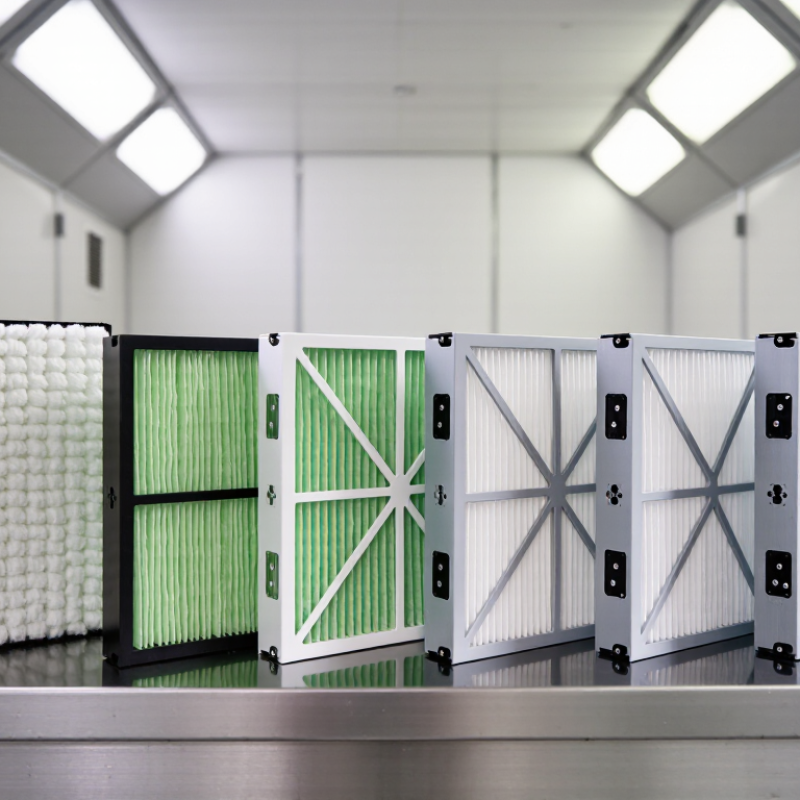
Common fiberglass types include flat pads, layered media, and progressive-density rolls. Flat pads are economical, but they may load quickly during heavy spraying. Layered media captures particles through greater depth. Progressive-density designs can maintain airflow longer. Still, thicker does not always mean better. The wrong density may reduce ventilation and affect finish quality.

For exhaust use, compare capture efficiency, thickness, tackifier, and pressure drop. A tackified surface can hold wet particles, but excessive loading restricts airflow. Measure the frame carefully. Check the gasket contact. Small gaps can allow air to bypass the filter entirely. Intake and ceiling filters usually require lower resistance and even distribution. A clean-looking filter may be saturated internally. That is easy to miss.

Match the fiberglass type to the coating, spray volume, and booth airflow. Review technical data and the coating’s safety data sheet before purchasing. Monitor pressure with a manometer, then replace media when resistance rises beyond the equipment limit. Calendar-based changes are simple, but not always accurate. Record inspection dates, pressure readings, and visible loading. I would also question any “universal” filter claim, because booth conditions vary considerably.
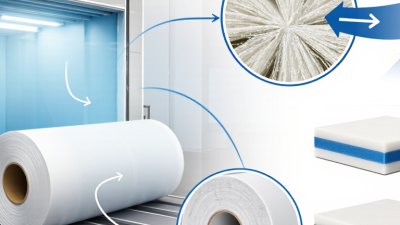
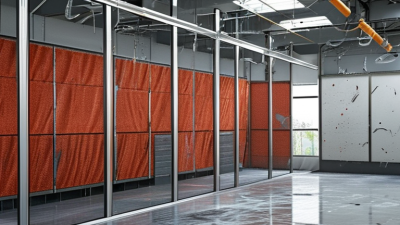
7 Best Paint Booth Fiberglass Filters for Buyers — Understanding Filter Types

This comparison uses typical engineering benchmarks for dry paint-booth fiberglass media at approximately 0.5 m/s face velocity. Thicker and progressively layered media generally provide greater overspray-holding capacity, while initial pressure drop indicates the airflow resistance of clean media.

Actual performance depends on paint chemistry, booth airflow, media density, loading level, and filter replacement practices. Always confirm the filter’s rated face velocity and pressure-drop limits before installation.

Key Performance Features Buyers Should Compare

7 Best Paint Booth Fiberglass Filters for Buyers

When comparing paint booth fiberglass filters, look beyond the lowest price. Capture efficiency, airflow resistance, and dust-holding capacity affect daily performance. A filter that traps overspray well may restrict air too quickly. Check pressure-drop data at your booth’s actual airflow, not only the supplier’s headline rating. Filter thickness and layered density also matter. Thicker media often holds more particles, but it can reduce airflow when the fan is undersized.

Fit is equally important. Measure the frame, roll width, and replacement depth before ordering. Gaps around the filter can allow overspray to bypass the media. A strong backing layer helps prevent sagging during long shifts. I have found that consistent airflow is easier to maintain when filters are changed by pressure readings, rather than by appearance alone. Still, readings can be misleading if gauges are poorly placed. That detail deserves attention.

Tips: Compare filters using the same airflow, pressure, and test method. Keep a simple replacement log. Note booth hours, coating type, and pressure readings. Test the first few filters closely. One filter may perform differently in a humid booth or during heavy spraying. Do not ignore installation. Even premium media performs poorly when compressed, torn, or fitted loosely.

Seven Recommended Fiberglass Filters for Paint Booths

Paint booth performance depends heavily on the right fiberglass filter. Seven practical choices cover different working conditions. Standard-depth fiberglass roll media suits routine spraying and simple replacement. High-loft fiberglass captures more overspray while maintaining steady airflow. Progressive-density media uses layered fibers to hold larger particles first and finer residue deeper inside. Tackified fiberglass has a lightly adhesive surface that helps retain sticky paint particles. It can load faster, though.

Moisture-resistant fiberglass works better in humid areas or booths cleaned with damp methods. Fine-finish fiberglass media supports cleaner surfaces when visible overspray must stay low. High-efficiency exhaust fiberglass is designed for the final air-cleaning stage, but the booth manufacturer’s airflow limits still matter. Cut-to-fit fiberglass panels are useful for irregular frames and temporary maintenance needs. Measure the opening carefully. A small gap can bypass the filter entirely.

During inspection, look for sagging, dark loading, torn edges, and rising pressure readings. Replace media before airflow becomes visibly weak. Protective gloves, eye protection, and suitable respiratory controls remain important during handling. Filter performance changes with coating type, spray volume, humidity, and fan condition. I would not treat one filter style as universally best. The most expensive option can perform poorly when fitted badly. Check the technical sheet, booth requirements, and local workplace guidance before purchase.

7 Best Paint Booth Fiberglass Filters for Buyers - Seven Recommended Fiberglass Filters for Paint Booths
Rank Fiberglass Filter Type Typical Construction Typical Efficiency Recommended Use Typical Initial Pressure Drop Key Buying Consideration
1 High-Loft Blanket Filter Progressively layered fiberglass media with a heavier downstream side Approximately 85–98% for paint overspray, depending on grade and test method General-purpose spray booths using solvent-based or waterborne coatings About 20–45 Pa at 0.50 m/s face velocity Choose the correct roll width and thickness for the filter rack; the graduated structure should face the airflow correctly.
2 Heavy-Duty Overspray Filter Dense, resin-bonded fiberglass with increased dust-holding capacity Approximately 90–99% for coarse and medium paint particles High-production booths and applications with frequent coating cycles About 30–60 Pa at 0.50 m/s face velocity A thicker or denser filter can extend service life, but the booth fan must provide sufficient airflow.
3 Ceiling-Grade Fiberglass Filter Fine-fiber fiberglass media designed for final-stage air filtration Approximately 95–99% for particles in the tested size range Downdraft or crossdraft booths where clean supply air is important for finish quality About 40–75 Pa at 0.50 m/s face velocity Verify that the filter is rated for ceiling installation and that its support grid prevents sagging.
4 Paint Arrestor Fiberglass Pad Open, tackified fiberglass structure for capturing wet overspray Approximately 80–95% for paint overspray, depending on coating and airflow Exhaust-side filtration in automotive, furniture, and general industrial spray booths About 15–40 Pa at 0.50 m/s face velocity Use only a compatible tackifier and replace the pad before overspray reaches the exhaust fan or ductwork.
5 Multi-Layer Fiberglass Filter Several bonded layers with increasing fiber density in the airflow direction Approximately 90–98% for paint particles and booth contaminants Booths requiring a balance between finish protection, capacity, and operating cost About 25–55 Pa at 0.50 m/s face velocity Layered construction improves loading capacity; confirm airflow direction and filter-retaining method.
6 Fire-Retardant Fiberglass Filter Fiberglass media treated or manufactured to reduce flame spread Approximately 85–98% for paint overspray, depending on media grade Spray operations where fire-safety requirements call for flame-resistant filtration media About 25–65 Pa at 0.50 m/s face velocity Request documentation for the applicable fire test or classification; fire resistance does not eliminate ignition hazards.
7 Cut-to-Length Fiberglass Roll Continuous fiberglass filter media supplied in rolls for custom-sized frames Approximately 80–98%, depending on thickness, density, and grade Booths with nonstandard filter dimensions or frequent maintenance requirements About 20–60 Pa at 0.50 m/s face velocity Measure the frame opening carefully and select a roll with enough width, thickness, and structural strength.
Buyer’s note: Performance values are typical ranges for fiberglass paint-booth media and vary with filter thickness, fiber density, coating type, airflow, and test method. Always compare the manufacturer’s efficiency rating, pressure-drop data, temperature limit, fire classification, and disposal requirements with the specific booth design.

Choosing the Right Filter for Booth Size and Paint Type

7 Best Paint Booth Fiberglass Filters for Buyers

Choosing the Right Filter for Booth Size and Paint Type

Choosing a fiberglass filter starts with the booth’s dimensions and airflow rate. Measure the ceiling, walls, and exhaust opening carefully. Small booths usually need thinner filters with moderate resistance. Large booths often require denser media for better overspray control. The wrong size can leave gaps. It can also reduce ventilation and create uneven paint coverage.

Paint type matters just as much. Waterborne coatings may need filters with strong moisture resistance. Solvent-based coatings usually require durable fiberglass media that handles heavier overspray. High-build primers can load a filter quickly. A layered filter may improve capture, but it can restrict airflow when neglected. Check the filter’s pressure-drop information before buying.

A practical test is simple. Run the booth and watch the airflow gauge. Inspect the filter surface after several paint cycles. A clean-looking filter may already be saturated inside. I once replaced a filter too late, and the booth collected residue in places it should not. That mistake showed me why replacement schedules need real inspection, not guesswork. Select the closest filter size, secure every edge, and record pressure readings. Slightly imperfect records are still better than relying on memory.

Installation, Maintenance, and Replacement Guidelines

7 Best Paint Booth Fiberglass Filters for Buyers

Installation begins with airflow, not guesswork. Select fiberglass media rated for the booth’s airflow and coating load. Check the filter frame, gasket, and airflow arrow before fitting it. The media should sit flat, without curled edges or visible gaps. Small gaps can send overspray directly toward the exhaust system. NFPA 33 identifies 100 feet per minute as a common minimum face velocity for open-face spray booths. Verify actual velocity with a calibrated anemometer. It is easy to assume airflow is acceptable.

Maintenance needs a written routine. Inspect the filter surface at each shift change, especially after heavy primer or clear-coat work. Record pressure readings across the filter bank. A rising pressure difference shows loading and restricted airflow. OSHA 29 CFR 1910.94(c) requires spray areas to maintain effective ventilation and control combustible residue. Clean the booth floor and nearby grilles without damaging the fiberglass media. Do not shake loaded filters indoors. That mistake spreads fine particles.

Replacement timing should follow pressure readings, visible loading, airflow performance, and the filter supplier’s limits. Do not rely only on a calendar. EPA AP-42 guidance recognizes overspray and particulate capture as important emission-control factors, so neglected filters can affect both finish quality and exhaust performance. Replace damaged, wet, collapsed, or heavily coated filters immediately. Record the date, pressure reading, coating type, and technician. Records reveal patterns. My practical concern is simple: many teams replace filters late because the booth still “works.” That judgment needs testing.