Best Hepa Filter for Home or Office Air Quality Improvement?
In today's world, air quality has become a pressing concern for homes and offices alike. According to the Environmental Protection Agency (EPA), indoor air can be up to five times more polluted than outdoor air. This alarming statistic highlights the importance of improving air quality, making the choice of air filters crucial for health and wellness. The HEPA filter has emerged as a proven solution for capturing airborne particles, including dust, pollen, and pet dander.
Dr. Lisa Harrington, an expert in indoor air quality, emphasizes the significance of HEPA filters: “Investing in a HEPA filter is one of the most effective steps you can take to improve your indoor environment.” This statement reflects the consensus in the industry regarding HEPA filters’ efficiency. They can trap 99.97% of particles down to 0.3 microns, contributing significantly to cleaner air.
However, not all HEPA filters are created equal. The specifications and performance can vary greatly among brands. This raises questions about which filter best suits your needs. Consumers must navigate the options carefully, considering factors like filter life, maintenance, and replacement costs. The journey toward better air quality is ongoing, and choosing the right HEPA filter is a step worth deliberating.
Understanding HEPA Filters and Their Functionality
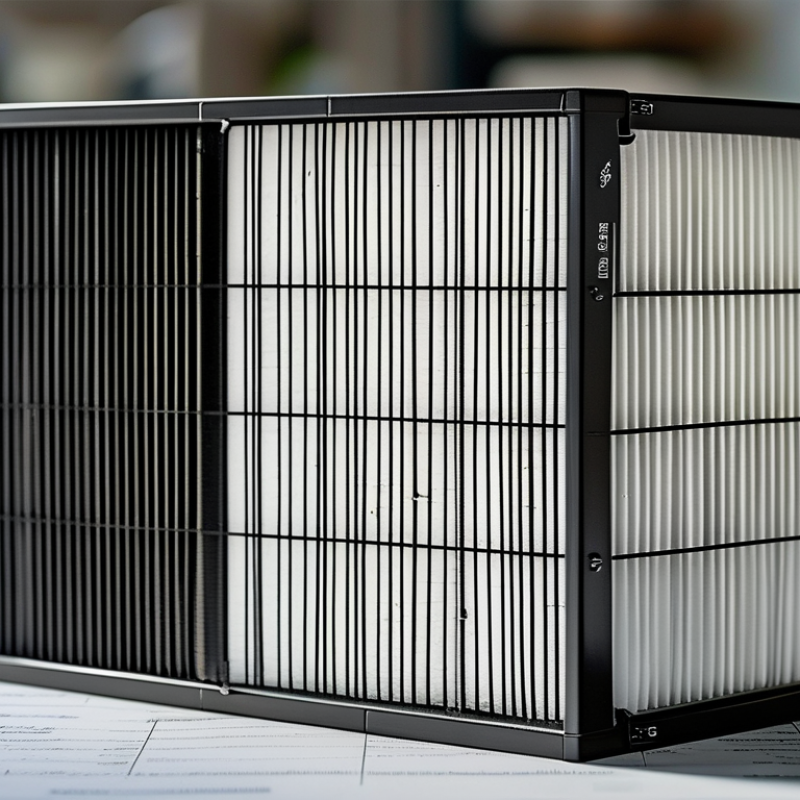
HEPA filters are designed to capture tiny particles suspended in the air. They can trap 99.97% of particles as small as 0.3 microns. This includes dust, pollen, pet dander, and even some bacteria and viruses. According to the U.S. Environmental Protection Agency, indoor air can be up to five times more polluted than outdoor air. Understanding how HEPA filters work is essential for improving air quality in homes or offices.
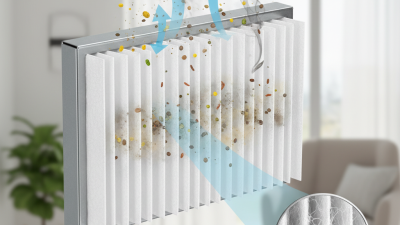
The functionality of HEPA filters stems from their dense mesh structure. This design increases the likelihood of trapping particles as air is drawn through the filter. An independent study revealed that using HEPA filters can reduce airborne contaminants by over 50% in many environments. However, not all HEPA filters are created equal. Factors such as airflow resistance and filter maintenance can significantly affect their efficiency. Regular replacement of filters is crucial, as a clogged filter can lead to reduced performance.
While HEPA filters offer substantial benefits, relying solely on them might mask other underlying issues. For instance, maintaining proper humidity levels and regular cleaning practices are also vital for comprehensive air quality management. By investing in a quality HEPA filter and being mindful of overall environmental conditions, individuals can create a healthier indoor atmosphere.
Criteria for Choosing the Best HEPA Filter for Home & Office
Selecting the best HEPA filter for your home or office involves understanding key criteria that ensure air quality improvement. HEPA filters are designed to capture 99.97% of particles as small as 0.3 microns. This includes dust, pollen, mold spores, and even some bacteria. A recent report by the Environmental Protection Agency states that indoor air can be 2 to 5 times more polluted than outdoor air. Therefore, investing in a high-quality HEPA filter can significantly enhance your living or working environment.
Consider the filter’s MERV rating, which indicates its efficiency. HEPA filters usually have ratings of MERV 17 to 20. Filters with lower MERV ratings might not capture everything, exposing occupants to allergens. Additionally, check the filter's lifespan. Some filters last up to 12 months, while others may need changing every few months. Regular maintenance is critical. Neglecting to replace a dirty filter can lead to reduced air flow and efficiency, making the environment less healthy over time.
Moreover, noise levels matter when selecting a HEPA filter. Some units can be quite loud, creating distractions in the office or home. Comfort should not be sacrificed for cleanliness. Lastly, consider your specific needs. If allergies are a major concern, look for filters that also combat odors. Balancing efficiency, comfort, and specific requirements is essential for optimal air quality.
Top HEPA Filter Brands and Models for Air Quality Improvement
When it comes to improving air quality in your home or office, investing in a HEPA filter can make a significant difference. HEPA filters are known for their ability to trap 99.97% of particles as small as 0.3 microns. This includes dust, pollen, and pet dander, which can trigger allergies or respiratory issues. With the right HEPA filter, you can create a cleaner breathing environment that promotes better health.
Exploring top HEPA filter brands reveals a variety of models tailored for different needs. Some filters excel in capturing larger particles, while others are designed with activated carbon layers to reduce odors. When selecting a filter, consider features like room size compatibility and filter replacement frequency. Regular maintenance is crucial, as a clogged filter can reduce efficiency and air quality.
Making the right choice can be overwhelming. Each model has strengths and weaknesses to weigh. Sometimes, what works for one space may not suit another. Researching user experiences helps, but individual results can vary. Ultimately, investing in quality air filtration can elevate your indoor environment significantly.
Maintenance Tips for Optimal Performance of HEPA Filters
Proper maintenance of HEPA filters is crucial for ensuring they function at their best. Regularly check the filter for dirt and dust buildup. A clogged filter can lead to reduced airflow and poor air quality. Be mindful of the environment where the filter operates. Areas with high dust or pet dander will require more frequent changes.
It’s a good idea to follow the manufacturer's guidelines for replacement. Some filters need changing every six months, while others can last up to a year. If the filter starts to show signs of wear, don't hesitate to replace it sooner. Neglecting this can render your air purification efforts ineffective.
Cleaning the surrounding area can also extend the life of the filter. Vacuuming frequently minimizes debris entering the filter. Always keep the filter housing clean too. A clean environment contributes significantly to optimal performance over time. Engaging with the maintenance routine can be rewarding but often requires diligence. The cleaner your air, the better your overall well-being.
Comparing HEPA Filters with Other Air Purification Technologies
When it comes to improving air quality in homes or offices, HEPA filters play a vital role. These filters can capture up to 99.97% of airborne particles. This includes dust, pollen, and even pet dander. The technology behind HEPA is straightforward yet effective. However, many consumers often compare HEPA filters with other air purification methods.
UV light purifiers are an alternative. They kill bacteria and viruses using ultraviolet radiation. While they are useful, they do not remove particles. Ionizers are another option. They charge particles, causing them to stick to surfaces. This might help with some air quality issues, but it doesn’t filter out particles from the air upfront.
When selecting a purification system, consider your environment and specific needs. If allergies are a concern, HEPA filters provide the best solution. Other technologies may complement HEPA filters but should not be seen as replacements. Each option has its strengths and weaknesses. Engaging with multiple technologies could lead to better air quality, yet ongoing maintenance is critical to ensure effectiveness.