Digital Best Spray Booth Floor Filter Options for Your Business?
In the competitive world of spray booths, selecting the right Spray Booth Floor Filter is crucial. According to industry expert Mark Stevens, "The right filter not only improves air quality but also enhances the overall efficiency of the workspace." His extensive experience emphasizes the importance of choosing the best options for your business.
Understanding your filter needs is the first step. Some filters offer better particulate capture, while others might focus on liquid coatings. Each application demands a tailored approach. It’s essential to evaluate the specific requirements of your operations.
Investing in high-quality Spray Booth Floor Filters can lead to substantial long-term benefits. However, some businesses may overlook maintenance. Regular checks can prevent costly downtimes and ensure optimal performance. Reflecting on these aspects will pave the way for a more effective and cleaner workspace.
Understanding the Importance of Floor Filters in Spray Booths
In spray booth operations, floor filters play a critical role in maintaining air quality and ensuring safety. These filters trap overspray, dust, and harmful particles, preventing contamination in the workspace. The floor filter system is designed to collect excess paint and other residues effectively. This protects machinery and reduces the need for frequent clean-ups.
Choosing the right floor filter for your spray booth is essential. Different filter types offer various efficiencies and capacities. It's crucial to assess your booth's specific requirements. Some filters may require more frequent replacements, which can hinder workflow. Effective communication with your team about filter maintenance can enhance reliability and productivity. Also, consider your local regulations regarding air quality and waste disposal.
Although floor filters can improve the environment, are they always properly maintained? The effectiveness of these systems can diminish if not checked regularly. A filter that's too clogged can cause overspray to escape, leading to a hazardous atmosphere. Businesses must prioritize training and awareness to ensure compliance and safety standards are met in their operations. This focus on maintenance reflects a commitment to quality and professionalism in the workplace.
Types of Digital Spray Booth Floor Filters Available on the Market
In the world of spray booths, floor filters play a crucial role. They capture overspray and contaminants, helping maintain a clean working environment. Understanding the types of digital spray booth floor filters available can greatly benefit your business.
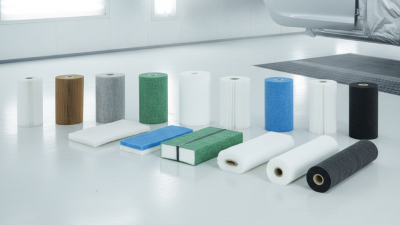
There are several options to consider. HEPA filters are excellent for trapping small particles, ensuring your air quality remains high. Electrostatic filters attract contaminants through static charge, making them effective and efficient. Some businesses prefer disposable filters for convenience, while others invest in washable options that offer long-term savings.
When selecting a filter, consider the specific needs of your operation. Choosing a filter with the right MERV rating can greatly affect performance. Avoiding common mistakes, like overlooking maintenance schedules, can help prolong the life of your filters.
While most filters perform well, some may require more frequent changes. Less effective filters can allow more contaminants to pass through. This is a crucial point to reflect on, as poor air quality can impact both worker health and product quality. Invest time in researching the best filter options for your unique setup.
Digital Spray Booth Floor Filter Options
Factors to Consider When Choosing Floor Filters for Your Business
Choosing the right floor filters for your spray booth can significantly impact your business operations. One key factor to consider is the filter's efficiency in capturing airborne particles. Filters must effectively trap overspray and dust. Additionally, consider how often filters need to be replaced. Frequent changes can become costly and disrupt workflow.
Another aspect is the type of materials used in the filters. High-quality materials can ensure longevity and performance. Be aware that not all filters are created equal. Some may not meet industry standards, leading to potential issues down the line. It's crucial to research and understand the specifications of each option.
Lastly, reflect on the installation process of the filters. A user-friendly design is essential. Complicated installations can lead to mistakes and even safety hazards. Assessing these factors will guide you in making an informed decision. The right floor filter is essential for maintaining a clean and efficient working environment.
Comparing Cost-Effectiveness of Different Spray Booth Floor Filters
When evaluating spray booth floor filters, cost-effectiveness is a crucial factor. Different filters come with varying price points. This influences operational budgets significantly. Some filters capture dust and debris effectively but may cost more upfront. However, their lifespan can offset initial expenses. A longer-lasting option might save money on replacements and maintenance.
In addition to price, consider the filter’s efficiency. High-efficiency filters may trap smaller particles. They can improve air quality, benefiting worker health. If your business prioritizes safety, investing in better filters makes sense. Yet, it’s important to assess the trade-offs. A higher investment might strain budgets initially, leading to cash flow concerns.
Lastly, installations and replacements require attention. Some filters need frequent changes while others last longer. This can impact labor costs and downtime. Ensure you have enough information on installation procedures. Balancing these factors leads to smarter purchasing decisions. Cost-effectiveness isn’t just about price; it’s about value over time. Reflect on what fits best for your specific needs.
Maintenance Best Practices for Digital Spray Booth Floor Filters
Maintaining digital spray booth floor filters is crucial for operational efficiency. According to the Spray Technology and Management Association, proper filter maintenance can enhance performance by up to 30%. Yet, many businesses overlook this aspect. Regular inspections and timely replacements can prevent costly downtimes. A routine check every two weeks is recommended to catch early signs of wear.
When it comes to maintenance best practices, cleanliness plays a vital role. Dust and contaminants can significantly reduce filter effectiveness. A study revealed that dirt accumulation can impair airflow by up to 50%. Simple actions like vacuuming or using compressed air can extend filter life. Moreover, monitoring humidity levels in the spray booth is essential. High humidity can lead to moisture build-up, compromising filter integrity.
Training staff on the importance of filter maintenance is often neglected. Employees must understand the direct impact on product quality and safety. Implementing a log system to track filter changes can enhance accountability. The investment in maintenance routines often proves minor compared to the costs of failed systems and damaged products.
Digital Best Spray Booth Floor Filter Options for Your Business? - Maintenance Best Practices for Digital Spray Booth Floor Filters
| Filter Type |
Filtration Efficiency |
Lifespan |
Maintenance Frequency |
Cost (per unit) |
| HEPA Filter |
99.97% |
2 years |
Every 6 months |
$150 |
| Activated Carbon Filter |
90-95% |
1 year |
Every 3 months |
$100 |
| Polyester Filter |
80-85% |
6 months |
Monthly |
$75 |
| Fiberglass Filter |
30-50% |
3 months |
Monthly |
$50 |