How to Choose the Best Spray Booth Floor Filter for Your Needs?
Choosing the right Spray Booth Floor Filter is crucial for optimal performance. It ensures cleaner air quality and enhances the longevity of your spray booth. John Doe, a leading expert in industrial filtration, once stated, "A good filter is the backbone of any effective spray booth." This emphasizes the importance of making an informed choice.
Understanding the function of a Spray Booth Floor Filter can seem complex. Many might think any filter would do, but that’s a misconception. The filter must match the specific needs of your operation. It’s essential to consider your spray booth's size and the type of materials used. Different applications may require varying filtration levels.
When selecting, pay attention to the filter’s efficiency and maintenance requirements. This choice impacts not just air quality, but also color clarity in finishes. An ineffective filter might lead to more frequent cleanings and increased costs. Evaluate your options carefully to find a balance between effectiveness and price.
Understanding the Functionality of Spray Booth Floor Filters
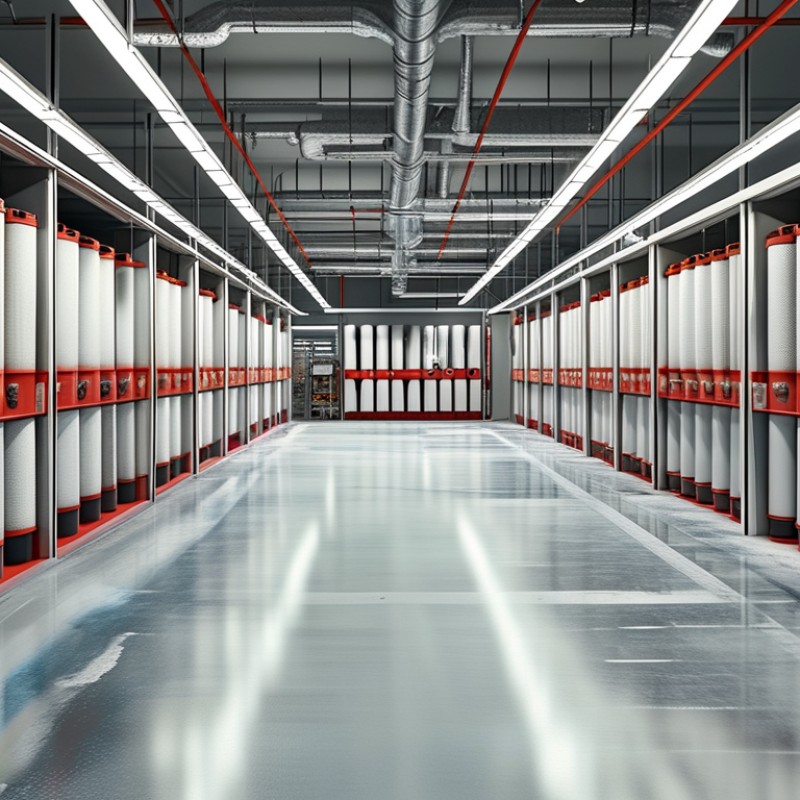
Spray booth floor filters play a vital role in maintaining air quality during painting processes. They capture particles and overspray, ensuring a cleaner environment. According to industry reports, effective floor filtration can reduce airborne contaminants by nearly 80%. This not only protects workers’ health but also improves the quality of the finished product.
When choosing a spray booth floor filter, consider your specific needs. The filter's material, thickness, and airflow rate significantly influence its performance. For instance, a filter with a higher thickness may capture more particles but could restrict airflow, causing issues with drying times. Each application requires a tailored solution, and getting this wrong can compromise air quality or increase costs.
Consider these tips when selecting your filters. Regular maintenance is crucial. Change filters frequently to maintain optimal performance. Monitor your booth's airflow and efficiency for signs of clogging. If issues arise, reassess your filter choice. Always research filter specifications to match your booth requirements. This knowledge can help you make informed decisions, enhancing both safety and product quality in your operations.
How to Choose the Best Spray Booth Floor Filter for Your Needs? - Understanding the Functionality of Spray Booth Floor Filters
| Filter Type |
Efficiency Rating |
Material |
Maximum Airflow (CFM) |
Dimensions (Inches) |
Cost Estimate ($) |
| Electrostatic Filter |
95% |
Synthetic Fiber |
800 |
48 x 48 |
150 |
| Polyester Filter |
90% |
Polyester Felt |
700 |
36 x 36 |
120 |
| Carbon Filter |
85% |
Activated Carbon |
600 |
48 x 24 |
200 |
| HEPA Filter |
99.97% |
Glass Fiber |
500 |
24 x 24 |
300 |
Identifying Your Specific Needs for Spray Booth Applications
When selecting a spray booth floor filter, understanding your specific needs is crucial. Each application presents unique challenges and requirements. For instance, if your environment generates a high volume of overspray, you’ll need a filter that can handle increased load without clogging quickly. Conversely, a lower volume setup may require a filter focused on finer particulates. Identifying these distinctions helps in making informed choices.
Consider the type of materials you typically work with. Solvent-based paints may release different particles compared to water-based options. Different filters excel in capturing various substances. It's also essential to consider airflow. A filter that does not support proper airflow can hinder performance. Not every solution is perfect. You may need to test several options before finding the best fit. Each choice brings a balance of efficiency, longevity, and cost.
Lastly, look into maintenance needs. Some filters require frequent changes, while others have longer lifespans. This can significantly impact your workflow and costs over time. Engage with peers and industry experts to gather insights. This exchange of knowledge can illuminate which filters align with your specific requirements better. Balancing these factors ensures that your booth remains safe and effective for your projects.
Evaluating Different Types of Floor Filters Available
Choosing the right floor filter for a spray booth is essential for maintaining air quality and protecting paint finishes. Various types of floor filters are available, each with unique properties. HEPA filters are known for capturing 99.97% of particles down to 0.3 microns, making them ideal for environments requiring stringent cleanliness. However, they can be expensive and may require more frequent changes.
Another option is synthetic media filters, which offer good airflow and dust-holding capacity. According to industry reports, these filters can reduce particle count significantly while maintaining efficiency. In contrast, fiberglass filters are less effective in removing smaller particles. They might be a cost-effective choice but often lack longevity. A 2021 survey showed that 62% of workshops reported higher maintenance costs with fiberglass options due to constant replacements.
In evaluating these choices, it's vital to consider not just the initial cost but also the operational costs over time. Different filters will affect airflow and pressure drop within the booth. For instance, a HEPA filter might require more energy to circulate air, which can lead to increased utility bills. Additionally, operators should analyze local regulations regarding emissions. Some facilities may not be permitted to use filters that do not meet specific standards, adding another layer to the decision-making process.
Spray Booth Floor Filter Evaluation
Key Features to Consider When Choosing a Floor Filter
Choosing the right floor filter for your spray booth is crucial. Basic requirements include particle size, airflow, and filter efficiency. A quality filter should capture both large and small particles, ensuring a clean environment. Look for a filter with a high MERV rating, but balance this with your airflow needs. Too restrictive a filter can hinder performance.
Considering installation and maintenance is also important. Choose a filter that fits seamlessly into your setup. Easy installation means less downtime. Regular maintenance of your filter is essential too. Clogged filters can lead to inefficiency. Be prepared to replace or clean your filters regularly.
Don’t overlook the material of the filter. Materials affect durability and performance. Some filters are designed to withstand high humidity and volatile chemicals. Check the compatibility with your specific spray products. Reflect on your unique requirements. What works best for one setup may not suit another.
Maintenance and Replacement Tips for Optimal Performance
Maintaining a spray booth floor filter is crucial for optimal performance and longevity. Regular inspections can help you detect any issues early. Look for signs of clogging or dirt buildup. Even a small obstruction can lead to poor airflow, reducing your booth's efficiency. Schedule these checks weekly to ensure your filter operates at its best.
Change the filter at recommended intervals. Many users overlook this detail. A clogged filter not only affects airflow but can also compromise the quality of your spray jobs. It’s essential to replace it when you notice reduced performance. Some filters may need changing every few weeks, while others can last longer. Consider your specific usage to determine the right timeline.
Proper disposal of used filters is also important. Dispose of them in accordance with local regulations. Make sure to keep track of your filter's lifespan and usage patterns. This proactive approach ensures safe and effective operation. By staying attentive to these details, you can enhance your spray booth's performance significantly.