What is Paint Stop and How Can It Benefit Your Business?
In the competitive world of the paint industry, the concept of "Paint Stop" has emerged as a transformative strategy. Renowned expert Jamie Parker, a leading figure in industrial coatings, emphasizes, "Paint Stop can streamline your processes and enhance productivity." This innovative approach focuses on minimizing waste and improving efficiency, helping businesses thrive.
Paint Stop serves as a strategic pause in painting operations, allowing businesses to reassess their methods. It encourages companies to identify bottlenecks and areas for improvement. By taking this intentional break, teams can realign goals and resources, leading to better outcomes. However, the real challenge lies in implementing this concept effectively.
Many companies struggle to fully embrace Paint Stop due to resistance to change. It requires a shift in mindset and a willingness to adapt. A well-executed Paint Stop can yield significant benefits, but its success depends on commitment. Understanding its potential impact can be the key to unlocking enhanced operational efficiency and profitability.
What is Paint Stop and Its Purpose in the Industry?
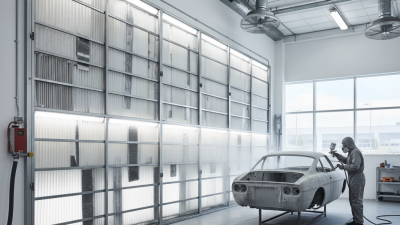
Paint Stop plays a crucial role in the automotive and manufacturing industries. It serves as a specialized coating booth designed to control overspray and protect the surrounding environment. Businesses can create a cleaner workplace by implementing Paint Stop solutions. This enhances efficiency and promotes safety.
In addition to safety, Paint Stop contributes to better product quality. By containing dust and contaminants, it ensures a smoother finish on painted surfaces. Workers can focus more on their tasks without distractions. However, not all businesses realize the need for such systems.
There may be initial reluctance due to costs or misunderstanding of the benefits.
Choosing to implement Paint Stop requires careful consideration. Some organizations may struggle with the transition. Training staff is vital for effective use. Ultimately, the right decision can lead to improved operations and superior products.
Investing in Paint Stop is not just about compliance; it's about setting a standard of excellence.
Key Features and Functionality of Paint Stop Systems
Paint Stop systems offer various key features that enhance operational efficiency in paint applications. One prominent functionality is the ability to contain overspray, which significantly reduces material waste. According to industry reports, proper containment can decrease paint usage by up to 30%. This not only minimizes cost but also promotes environmental sustainability—a growing concern in the manufacturing sector.
Another crucial aspect is real-time monitoring and data collection. Advanced Paint Stop systems can track application rates, environmental conditions, and equipment performance. This data helps businesses optimize their processes and make informed decisions. Reports suggest that companies using such systems improve productivity by approximately 25%. However, many businesses may struggle to interpret this data effectively, potentially leading to misinformed actions.
Additionally, Paint Stop systems provide customization options to meet specific needs. For instance, adjustable airflow can optimize drying times based on various materials. However, this flexibility may lead to inconsistent results if not properly managed. Thus, while the systems offer numerous benefits, users must also reflect on their operational practices to fully leverage these capabilities.
Benefits of Implementing Paint Stop for Businesses
Implementing Paint Stop can transform a business's operations. This technology offers advanced paint booth solutions that minimize overspray and waste. Businesses benefit from enhanced efficiency and reduced costs. According to industry reports, companies that utilize similar technology report a 30% decrease in paint-related expenses.
Moreover, Paint Stop contributes to improved workplace safety. It reduces the hazardous emissions associated with traditional painting processes. A significant reduction in VOC levels results, which protects employees and meets regulatory standards. Safe environments lead to higher employee morale and productivity. A recent survey indicated that 75% of employees feel more motivated in safer workplaces.
However, implementing Paint Stop is not without challenges. Initial costs can be high, and adapting to new systems can disrupt workflows. Organizations must weigh these factors carefully. Balancing cost savings with implementation hurdles requires strategic planning and employee training. A thoughtful approach ensures that the transition brings long-term benefits without overwhelming staff or disrupting operations.
How Paint Stop Improves Efficiency and Reduces Waste
Paint Stop technology is making waves in the manufacturing sector. It significantly improves efficiency by optimizing paint usage. According to a report from the Environmental Protection Agency, businesses can reduce paint waste by as much as 30% with methods that regulate and recycle paint effectively. This not only conserves resources but also cuts down on disposal costs.
An interesting aspect of Paint Stop is its role in minimizing downtime. A study from the Manufacturing Institute found that systems that enhance workflow efficiency can improve overall productivity by about 20%. When a shop uses Paint Stop, it streamlines the painting process. Workers spend less time correcting mistakes and more time on quality output. Yet, adopting new systems may require initial training and adjustments, which can lead to temporary disruptions.
Data shows that companies embracing these technologies often see a return on investment within a year. However, the transition may present challenges. Businesses must continually assess how they implement such technologies. This reflection ensures they are not just adopting trends but truly enhancing their practices.
Real-World Examples of Paint Stop in Action
Paint Stop has become a game-changer for many businesses in the manufacturing and automotive sectors. This process minimizes paint overspray and reduces waste, leading to significant cost savings. For instance, a study by the Environmental Protection Agency (EPA) shows that implementing a paint stop system can reduce paint waste by up to 50%. This efficiency not only lowers material costs but also enhances overall productivity.
Real-world applications highlight the benefits of Paint Stop effectively. A mid-sized auto body shop, after integrating this system, reported a 30% increase in throughput. Employees noted they spent less time cleaning equipment and more on applying paint. Additionally, the facility improved its environmental compliance ratings, as certified by the local authorities.
However, some businesses may struggle with initial implementation. Training staff and adjusting workflows can present challenges. Moreover, ensuring that all systems work seamlessly often requires time and investment. Companies must reflect on their processes and be open to adjustments. Balancing initial hesitations with long-term gains is crucial.