What is the Best Flow Hood Laminar for Your Needs in 2026?
In recent years, the demand for reliable "Flow Hood Laminar" systems has surged. As laboratories and cleanroom environments evolve, so do their needs. Dr. Lisa Tran, an expert in cleanroom technology, emphasizes, "Choosing the right Flow Hood Laminar can significantly impact your project outcomes." Her insight illustrates the growing importance of selecting a suitable system.
As we anticipate the needs of 2026, understanding the available options is crucial. The market offers varying models and features. However, not all "Flow Hood Laminar" devices are created equal. Factors like air quality, size, and energy efficiency must be considered. Researchers often overlook these details, leading to suboptimal results.
Moreover, potential users should reflect on their unique requirements. A common mistake is selecting a model based solely on price. While budget is vital, performance should remain a priority. By assessing current trends and innovations, one can make an informed decision. Ultimately, the right "Flow Hood Laminar" will enhance productivity and ensure safety in critical environments.

Understanding the Basics of Laminar Flow Hoods in Laboratory Settings
Laminar flow hoods are essential in laboratory settings. They protect samples by maintaining a sterile environment. Understanding how they work can help you choose the right one. Airflow is crucial; it should be uniform and consistent. This minimizes the risk of contamination, which is vital in experiments.
When selecting a laminar flow hood, consider the size and design. The hood must fit in your workspace. Evaluate the clean air velocity. Too high may disrupt your processes, while too low won’t filter effectively. Remember to assess filter replacement needs. Regular maintenance ensures optimal performance.
**Tip:** Always check for leaks in your hood. Even minor leaks can compromise results. Conduct routine checks and calibrate airflow regularly. **Tip:** Understand the materials used in your hood. Some may degrade over time, affecting safety. Be mindful of this when selecting your laminar flow hood.
What is the Best Flow Hood Laminar for Your Needs in 2026?
| Type of Laminar Flow Hood |
Airflow Type |
Size (Width x Depth x Height) |
Filter Type |
Noise Level (dB) |
Price Range ($) |
| Vertical Laminar Flow Hood |
Vertical |
48" x 30" x 60" |
HEPA |
55 |
1500 - 2500 |
| Horizontal Laminar Flow Hood |
Horizontal |
36" x 24" x 48" |
HEPA |
52 |
1200 - 2200 |
| Biosafety Cabinet |
Vertical |
72" x 36" x 72" |
HEPA |
60 |
2000 - 4000 |
| Compact Laminar Flow Hood |
Horizontal |
24" x 18" x 36" |
HEPA |
48 |
800 - 1500 |
| Wall-mounted Laminar Flow Hood |
Vertical |
48" x 24" x 18" |
HEPA |
50 |
600 - 1200 |
Key Features to Consider When Selecting a Laminar Flow Hood
When selecting a laminar flow hood, several key features can enhance your decision. First, consider the type of airflow.
Laminar flow can either be horizontal or vertical. Each type has its benefits.
Horizontal flow is ideal for larger working spaces, while
vertical flow is often preferred for specific applications. Understanding these differences helps to tailor the hood to your needs.
Another important aspect is the filtration system.
High-Efficiency Particulate Air (HEPA) filters play a crucial role in maintaining cleanliness.
Ensure the hood you choose has an effective filter rated for the specific particulate size relevant to your work.
Regular maintenance and filter replacement are essential to avoid potential contamination risks that could undermine your results.
Additionally, the size and workspace design matter. Choose a hood that fits your lab's spatial constraints while providing ample room for your tasks.
A cramped workspace can lead to errors and frustration. Evaluating your workflow can prevent this confusion.
Reflect on whether the laminar flow hood meets your specific application needs, as this awareness drives effective laboratory practices.
Comparative Analysis of Different Types of Laminar Flow Hoods
When choosing a laminar flow hood, it's essential to understand the various types available. The primary categories include vertical and horizontal flow hoods.
Vertical flow hoods push air downward, creating a sterile working area. They are great for large equipment or space constraints. Horizontal flow hoods, on the other hand, direct air toward the user. This type is beneficial for projects requiring a larger work surface. Each design has its ideal applications, and knowing these can inform your decision.
Another important aspect to consider is filter types. High-efficiency particulate air (HEPA) filters are standard for most models. They capture particles as small as 0.3 microns.
Ulpa filters offer even higher efficiency, removing smaller particles. However, they can be less common and may increase initial costs. Regular maintenance of these filters is crucial. Inefficient filters can compromise the working environment.
User feedback often highlights the balance between functionality and usability. Some users find horizontal hoods easier to work under. Others prefer the airflow dynamics of vertical models. It's crucial to reflect on your specific needs and workspace. A thoughtful evaluation of air circulation, size, and accessibility will lead to better choices.
Top Brands and Models of Laminar Flow Hoods Recommended for 2026
When considering the best laminar flow hoods for 2026, various models stand out for their durability and advanced features. According to industry reports, the global market for cleanroom equipment, including laminar flow hoods, is projected to reach USD 6.2 billion by 2026. This growth highlights the increasing demand for reliable, sterile environments in laboratories and pharmaceuticals.
Top models focus on HEPA filtration efficiency and airflow uniformity. A critical factor is the average air velocity, which should ideally be around 0.45 to 0.5 meters per second. Many users prefer hoods that offer easy maintenance. However, some models struggle with noise levels, which can be a distraction in sensitive work environments.
Another consideration is energy consumption. Some hood designs do not prioritize energy efficiency. According to the U.S. Department of Energy, inefficient systems can lead to increased operational costs. This puts a spotlight on brands that focus on both performance and sustainability. In a landscape where laboratory safety is paramount, reflect on the balance between reliability and the potential drawbacks of noise and energy efficiency.
Top Features of Laminar Flow Hoods in 2026
This chart displays user satisfaction ratings for various features of laminar flow hoods in 2026. The ratings reflect how users perceive vital attributes such as airflow efficiency, noise level, energy consumption, size variety, and price.
Maintenance and Safety Tips for Optimal Performance of Flow Hoods
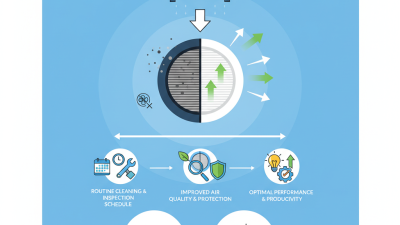
When using flow hoods, maintenance is crucial. Regular checks ensure optimal performance. Inspect filters often. Replace them as needed to maintain airflow quality. Dust accumulation can reduce efficiency. Schedule cleanings regularly to avoid buildup.
Safety is also a priority. Ensure that the flow hood is properly calibrated. This prevents contamination. Test the airflow patterns to confirm they are ideal. Misalignment can lead to safety hazards. Investing time in calibration pays off in the long run.
Consider these tips. Keep a log of maintenance activities. Document filter changes and calibration dates. This will help you track the unit's performance over time. Safety in your workspace should never be taken lightly. Consistent attention to these areas can significantly enhance your overall lab environment.