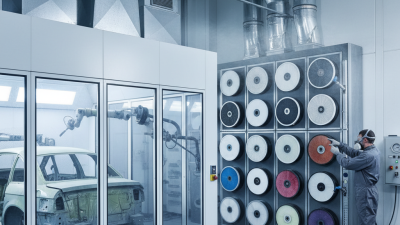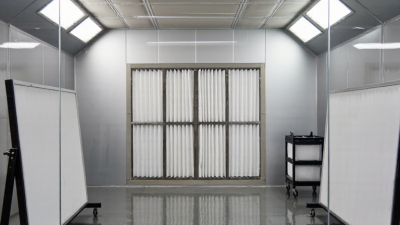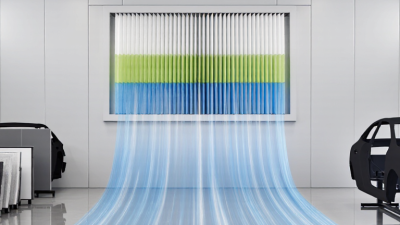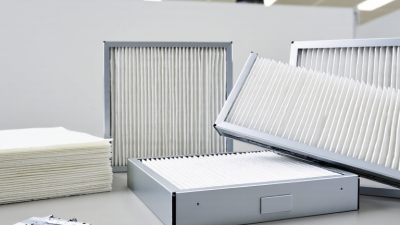
Choosing a Filter For Spray Booth is not just a matter of picking the highest-rated product. The right choice depends on booth design, coating type, airflow, and the job’s finish requirements. A paint shop handling fine automotive coatings may need a different capture approach from a workshop applying heavier industrial finishes. Small details matter.
Start by checking the booth manufacturer’s specifications and the filter’s stated efficiency, capacity, dimensions, and recommended airflow range. Then consider where the filter sits: intake filters help keep incoming air clean, while exhaust filters capture overspray before air leaves the booth. Compare pressure-drop information, too. A filter that is too restrictive can reduce airflow, while one that loads quickly may require frequent replacement. Follow the supplier’s guidance, and verify performance through routine inspection rather than relying on a label alone.
In 2026, product descriptions may emphasize efficiency, longer service life, or lower operating costs. Treat those claims as starting points, not guarantees. Track pressure readings, replacement intervals, and visible finish defects under real working conditions. A simple log can reveal patterns that marketing language cannot. Not every setup matches. Even a well-reviewed filter may underperform if it is poorly fitted, installed backward, or used beyond its service life. This guide explains practical comparison criteria, useful questions for suppliers, and ways to select a filter that suits your booth—not just the specification sheet.
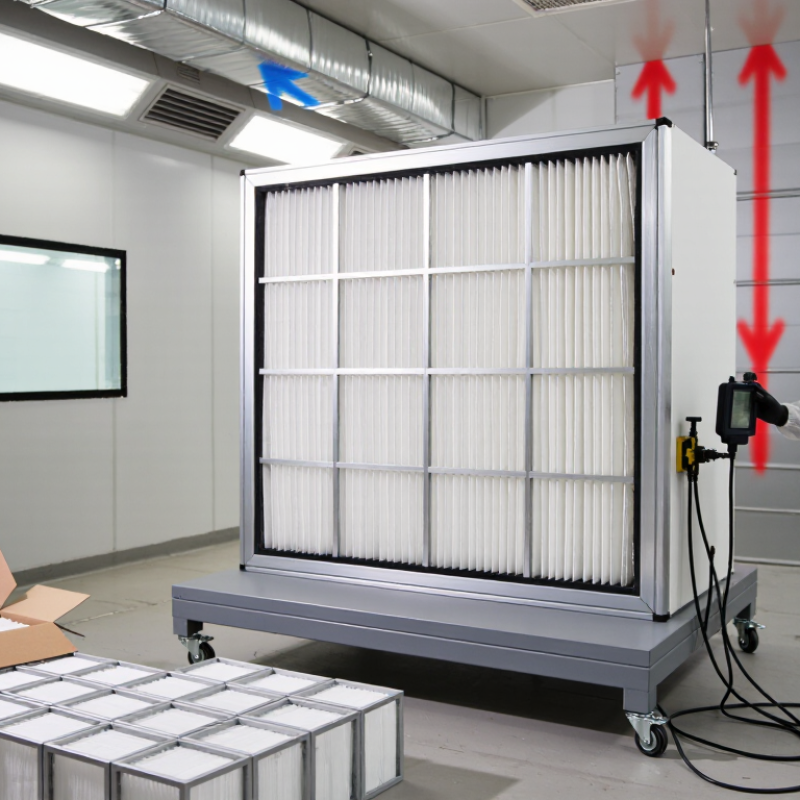
Before comparing filter media, map how air moves through the booth. Record whether the booth uses crossdraft, downdraft, or another airflow pattern. Note the intake and exhaust locations, filter dimensions, and any narrow corners or obstructions. Measure airflow at several points across the working area, not just near the center. Small differences matter.
Then estimate the overspray load under actual production conditions. Track the coating type, spray-gun operating time, parts per shift, and how quickly pressure rises across the filter. A fine finish coat may create a different loading pattern from repeated heavy passes. Watch where paint collects. One side of a filter may clog early. That detail can point to uneven airflow, not poor media.
Only then compare media by capture needs, airflow resistance, holding capacity, and replacement interval. Check the booth and filter makers’ operating guidance, and monitor differential pressure during use. A filter that looks clean may already restrict airflow. It happens. Keep a simple log of readings and changeouts; production rarely stays perfectly consistent, so treat one shift’s data as a starting point, not a guarantee.
How to Choose the Best Filter for Spray Booth in 2026?
A paint-arrestor filter captures overspray before it reaches exhaust equipment or ductwork. Compare efficiency using test data, not a broad “high-efficiency” claim. Ask what particle sizes and test conditions the rating covers. Two filters with similar ratings may behave differently with your coating and airflow. That number matters.
Holding capacity shows how much paint a filter can retain before performance becomes unsuitable. In practice, a filter that loads quickly can mean more changeouts, labor, and waste. Check capacity alongside the expected overspray volume and the manufacturer’s recommended replacement point. A filter may look usable while airflow is already falling. Not always obvious. Booth records can help: note operating hours, coating use, and pressure readings at each change.
Pressure drop is the resistance air encounters as it passes through the filter. Compare clean-filter and loaded-filter values, then check them against the booth fan’s available capacity. Excessive resistance can reduce airflow and affect capture; very low resistance alone does not prove good paint arrestment. Trade-offs are real. I would avoid choosing by one specification, especially when real booth conditions differ from a test sheet. Verify readings during normal operation, and review the choice if filters load unevenly or airflow changes.
| Filter Type | Paint-Arrestor Efficiency | Holding Capacity | Clean-Filter Pressure Drop | Best Fit | Considerations |
|---|---|---|---|---|---|
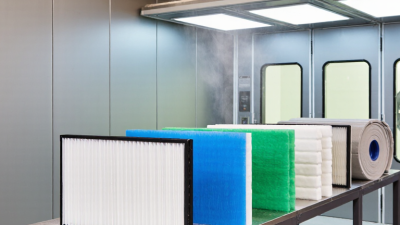
| Fiberglass blanket or roll media | Available in different grades; capture performance depends on fiber density, thickness, paint type, and airflow. | Generally low to moderate; depth-loaded media can use its internal fiber structure to retain overspray. | Often low to moderate when a suitable grade is selected. | Operations seeking a straightforward, replaceable exhaust arrestor for compatible spray-booth conditions. | Check the specified airflow and replacement pressure-drop limit. A filter that is too coarse may allow more overspray through. |
| Progressive-density synthetic media | Varies by construction and grade; layered or increasing-density media can capture particles through more of its depth. | Often moderate to high compared with basic, single-layer media of similar size. | Usually moderate; actual resistance depends on media density, thickness, and face velocity. | Applications where longer service life and consistent overspray capture are priorities. | Confirm that the media is designed for paint overspray and is compatible with the coating, booth airflow, and disposal requirements. |
| Expanded paper or accordion-style arrestor | Designed to capture overspray by changing airflow direction; performance depends on the paper construction and booth conditions. | Often high for its installed area because the expanded folds provide substantial loading space. | Often low to moderate when correctly installed and operated at the specified airflow. | Many conventional dry-paint spray-booth exhaust applications where high loading capacity is useful. | Install in the correct direction and keep the folds expanded. Do not use where the coating or process is incompatible with paper media. |
| Multi-layer or composite arrestor | Can offer staged capture, but efficiency is specific to the media design and must be verified from test data. | Moderate to high, depending on the number and arrangement of layers. | Moderate to high if the combined layers are dense or the filter is undersized. | Processes needing a balance of capture and loading capacity, selected against the booth’s airflow requirements. | Review the complete filter’s airflow and pressure-drop data; adding layers can increase resistance and reduce booth airflow if not properly sized. |
| High-efficiency final-stage filter | May provide higher capture of fine particles when specifically designed and tested for the application. | Varies widely; a finer filter may load quickly if used as the only overspray-arrestor stage. | Often moderate to high, especially as the filter loads. | Applications requiring an additional final filtration stage, where the booth and exhaust system are designed for it. | Usually requires suitable upstream overspray protection. Verify fan capacity, permitted pressure drop, and the filter’s intended use. |
Selection note: There is no single efficiency, holding-capacity, or pressure-drop value that applies to every filter in a category. Compare product data measured at the same airflow or face velocity, and check both clean and final recommended pressure drop. Paint-arrestor overspray efficiency is not interchangeable with a dust-filter rating such as MERV. Follow the spray-booth and coating-system requirements for filter selection, inspection, and replacement.
How to Choose the Best Filter for Spray Booth in 2026?
For conventional dry-type spray booths, filter selection starts with airflow, not a catalog size. OSHA’s 29 CFR 1910.107 sets a minimum average velocity of 100 feet per minute through the booth’s open face. An opening measuring 10 by 8 feet therefore needs about 8,000 cubic feet per minute to meet that benchmark. The math is simple. Real airflow is not.
Keep booth-face velocity separate from filter-media face velocity. The 100-fpm figure applies to the open face; it does not automatically specify the right speed through the filter itself. Size filter area using the actual exhaust airflow and the filter’s rated operating range. Check the pressure-drop data, too: loaded filters can reduce airflow, even when the clean-filter setup looks adequate. NFPA 33 provides further guidance for spray-application ventilation and overspray control.
Measure across a grid, not at one convenient spot. A handheld anemometer can reveal weak corners or uneven draw that an average hides. Recheck after filter loading and maintenance, and document the readings. One limitation deserves attention: a single measurement cannot represent every operating condition. OSHA’s 100-fpm benchmark is a minimum, not proof that the entire ventilation system performs well.
Sizing airflow for OSHA’s 100-fpm minimum in conventional dry-type booths
Estimated minimum airflow is calculated as open-face area (width × height) × 100 fpm. OSHA’s benchmark applies to average air velocity across the booth’s open face (29 CFR 1910.94(c)(6)(ii)); these figures are illustrative calculations, not filter-size recommendations. Select filters using their rated airflow and pressure-drop data, and verify booth airflow under operating conditions.
Choosing the best spray booth filter starts with identifying its position in the airflow path. ASHRAE 52.2 MERV 1–16 ratings describe HVAC particle filtration, not paint overspray arrestors. They help compare filters used for supply-air or ventilation stages. They do not tell you how well a filter captures wet paint droplets.
Overspray arrestors have a different job. They collect paint particles before those particles reach exhaust ducts or downstream equipment. Their construction, holding capacity, and resistance to airflow matter more than a MERV number. Check the filter’s stated application and booth specifications. A filter that loads quickly can raise pressure drop and reduce airflow. That can affect spray quality and booth performance.
It is tempting to choose the highest rating. That is not enough. A higher MERV rating is not automatically a better overspray filter, and may add resistance when used in the wrong stage. Match each filter to its task, then monitor pressure readings and inspect the media for uneven loading. A simple check can reveal problems early. I would still verify compatibility with the booth manufacturer’s guidance; filter labels do not always make the distinction obvious.
A spray booth filter should be changed by measured condition, not by appearance alone. Check the differential pressure across the filter bank with a suitable gauge or manometer. Record the clean-filter reading after installation, with the exhaust fan running at its normal setting. That baseline makes later readings useful.
Follow the filter manufacturer’s stated changeout limit; there is no single pressure value that fits every filter or booth. Take readings under consistent operating conditions, since fan speed and airflow can shift the result. Small shifts matter. If pressure reaches the stated limit, plan replacement and check airflow before the booth’s finish quality suffers. A sudden low reading can also signal a damaged filter or a poor seal, not a clean one.
Keep a simple log with the date, pressure, filter type, and any coating or airflow observations. Write it down. Inspect the gauge and its pressure lines if readings jump unexpectedly; dust or a loose connection can mislead. Pressure is useful, but it is not a verdict. If visible overspray, uneven airflow, or finish defects appear before the limit is reached, investigate sooner. I would not stretch a changeout interval just because the filter still looks usable. That judgment can be wrong.