Top 10 Ceiling Air Filters for Global Buyers in 2026?
In the evolving landscape of indoor air quality, ceiling air filters have emerged as essential solutions for both residential and commercial spaces. According to a 2023 market analysis, the global demand for air filtration systems, including ceiling air filters, is anticipated to reach $15 billion by 2026. This growth underscores the increasing awareness of the importance of clean air in our living and working environments.
Ceiling air filters effectively reduce pollutants, allergens, and contaminants. They are especially crucial in areas with high foot traffic, such as offices and shopping malls. A recent study highlighted that many commercial buildings lose energy efficiency due to ineffective air filtration, making ceiling air filters critical for sustainability.
Despite their benefits, choosing the right ceiling air filter can be challenging. The market is flooded with options, each with various specifications and performance ratings. Buyers must navigate the complexities of filter efficiency, maintenance, and cost-effectiveness. These factors can complicate decision-making. As we explore the top ceiling air filters for global buyers in 2026, understanding these nuances is vital for making informed choices.
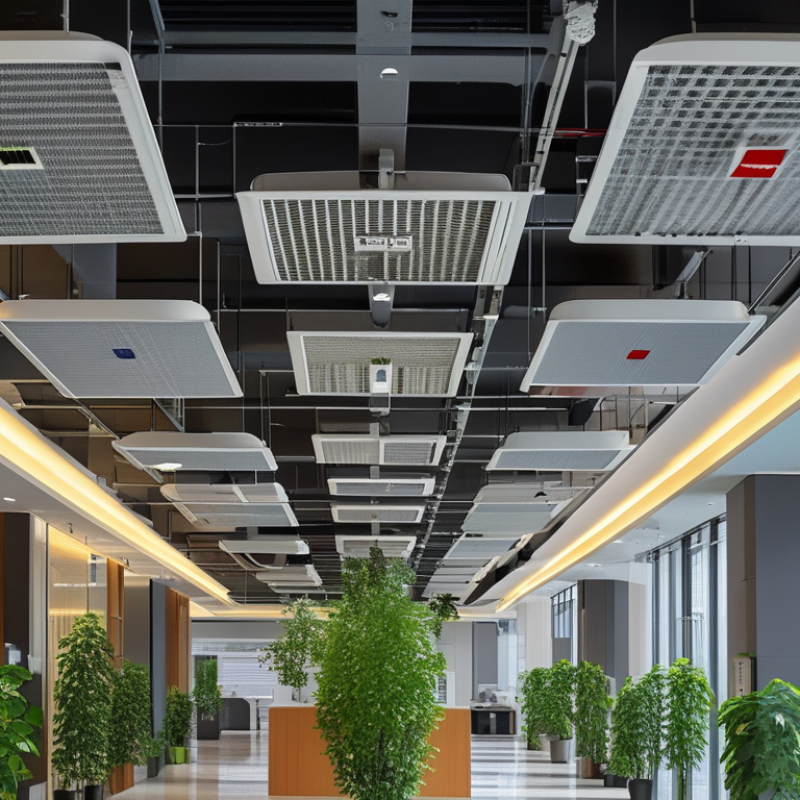
Top Features to Consider When Choosing Ceiling Air Filters
Choosing the right ceiling air filter involves understanding critical features. Air filtration efficiency is paramount. Consider filters with higher MERV ratings. These can trap more pollutants, ensuring cleaner air. The size of the filter matters too. A perfectly fitted filter reduces air leaks and enhances performance.
Noise level is another factor. Some filters operate quietly while others can be disruptive. Look for models that provide effective filtering without excessive sound. Energy efficiency is essential as well. Filters that consume less power will save on utility bills.
Maintainability should not be overlooked. Some filters are easy to clean and replace, while others require professional servicing. Opt for user-friendly models that allow for straightforward maintenance. Don't ignore your specific needs. Factors like allergy sensitivities and environmental conditions affect your choice. Reflect on what aspects are most relevant for you.
Market Trends in Ceiling Air Filters: A 2026 Perspective
As we approach 2026, understanding market trends in ceiling air filters becomes vital for global buyers. The demand for effective air filtration systems is rising sharply. This increase is driven by growing concerns about indoor air quality. People are more aware of how air pollution impacts health. Thus, investing in quality filters is not just a trend; it's a necessity.
In recent times, energy efficiency has shaped buyers' decisions. Many consumers are looking for filters that reduce energy consumption. The shift towards eco-friendly solutions is notable. Brands are expected to innovate while focusing on sustainable materials. Additionally, smart technology integration is becoming popular. Devices that monitor air quality in real-time are gaining traction. This trend indicates a shift toward a more tech-savvy consumer base.
Yet, not every product on the market meets high standards. Some filters may promise efficiency but fail to deliver. Consumers need to research and verify claims. Prominent certifications can guide informed choices. It’s essential to prioritize reliability over marketing gimmicks. The future of ceiling air filters will likely balance technology and user needs. Awareness about these trends can lead to more informed purchases.
Comparative Analysis of Leading Brands in Ceiling Air Filters
In the ever-evolving market of ceiling air filters, understanding the varying features is crucial for informed decisions. Buyers often prioritize filtration efficiency, noise levels, and ease of installation. Some filters excel in trapping fine particles, providing cleaner air in indoor spaces. However, not all filters perform equally well in different environments. Assessing real-world performance can help avoid disappointment.
Cost-effectiveness is another area that needs awareness. Many filters claim high efficiency but may not deliver long-term savings. Users often report frequent replacements, tipping the balance towards more expensive models. A careful examination of customer feedback reveals mixed experiences with durability and effectiveness. It's vital to consider warranty terms, which vary widely among manufacturers.
Moreover, the shift towards eco-friendliness is notable. Some brands focus on sustainable materials, appealing to eco-conscious buyers. However, reviews indicate that green options may lack in certain performance metrics. This contrast highlights the need for consumers to weigh environmental benefits against functional reliability. Adopting a holistic approach can foster better choices, improving overall air quality and customer satisfaction.
Top 10 Ceiling Air Filters for Global Buyers in 2026
This bar chart represents a comparative analysis of the top ceiling air filters based on key performance metrics such as filtration efficiency, noise level, and energy consumption. The values are fictional but provide a realistic perspective on the market.
Sustainability and Eco-Friendly Options in Ceiling Air Filtration
The demand for eco-friendly ceiling air filters is rising. Buyers are increasingly aware of their environmental impact. Sustainable options use less energy and reduce waste. These filters often come from recycled materials and have longer lifespans. Many rely on natural fibers to capture dust and allergens effectively.
Innovators are exploring biodegradable materials. This approach helps reduce plastic waste in landfills. While performance is crucial, the materials used to create filters also matter. Some options are less efficient, leading to more frequent replacements. This not only affects costs but also increases the environmental footprint.
Quality certifications are essential for consumers. They can guide users towards reliable eco-friendly choices. However, navigating these options can be challenging. Misleading claims about "green" products exist. Clear labeling and transparency would benefit the market. It’s vital for buyers to conduct thorough research before making a purchase. Ensuring that sustainable claims are valid can foster genuine environmental responsibility in air filtration.
Top 10 Ceiling Air Filters for Global Buyers in 2026 - Sustainability and Eco-Friendly Options in Ceiling Air Filtration
| Rank |
Filter Type |
efficiency (%) |
Lifespan (months) |
Eco-Friendly Materials |
Price (USD) |
| 1 |
HEPA Filter |
99.97 |
12 |
Recycled Fibers |
45 |
| 2 |
Activated Carbon Filter |
90 |
6 |
Natural Charcoal |
35 |
| 3 |
Electrostatic Filter |
95 |
18 |
Non-toxic Plastic |
50 |
| 4 |
Fiberglass Filter |
80 |
3 |
Glass fibers |
20 |
| 5 |
Polyester Filter |
85 |
12 |
Recycled Polyester |
30 |
| 6 |
MERV 13 Filter |
90 |
10 |
Recycled media |
40 |
| 7 |
Synthetic Filter |
88 |
9 |
Polypropylene |
25 |
| 8 |
Washable Filter |
70 |
24 |
Cotton blend |
55 |
| 9 |
UV-C Filter |
99 |
6 |
Eco-friendly Plastic |
60 |
| 10 |
Nano Filter |
99.5 |
24 |
Nano-coating |
70 |
Maintaining and Installing Ceiling Air Filters: A Comprehensive Guide
Maintaining ceiling air filters requires regular attention. Dirt and dust can build up quickly, affecting air quality. It is essential to inspect filters every month. They should be cleaned or replaced based on the manufacturer’s guidance. Failure to maintain them can lead to reduced airflow and higher energy costs.
Installation is another critical aspect. Finding the right location is vital for ensuring optimal performance. A level surface is necessary to avoid imbalance. Proper alignment of filters prevents gaps that can allow dust and allergens to infiltrate. It's also important to seal any leaks in ductwork. Unsealed ducts can compromise the entire system’s efficiency.
Consideration for safety is crucial during installation and maintenance. Always power off the HVAC system before working on filters. Use protective gear, like gloves and masks, to avoid inhaling any particles while cleaning. As you perform these tasks, keep track of your progress and note any unusual occurrences. Over time, you may identify patterns that indicate when deeper cleaning may be necessary. This ongoing reflection fosters a proactive approach to air quality management.