Top 10 Spray Booth Floor Filter Options for Efficient Air Quality?
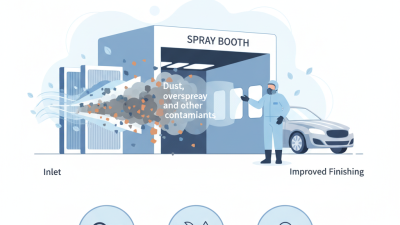
In the world of spray booths, air quality is crucial. The right Spray Booth Floor Filter can significantly impact the environment. A well-chosen filter enhances air cleanliness and protects operators from harmful particles.
Choosing a filter isn't straightforward. Factors like size, material, and filtration efficiency come into play. Each spray booth has unique needs. Not all filters offer the same performance, making selection challenging. A quality filter not only maintains air quality but also extends equipment life.
As we explore the top 10 options, focus on practical details. Consider features that boost efficiency, such as ease of maintenance and cost-effectiveness. It's essential to balance performance and budget. Making informed decisions can help ensure a safe, clean workspace.
Benefits of Using Spray Booth Floor Filters for Air Quality
Spray booth floor filters play a crucial role in maintaining air quality in production environments. They capture harmful particles and pollutants, improving the overall air within the workspace. This leads to safer conditions for workers and better outcomes for products. When the air quality is high, workers experience fewer health issues. They can focus on their tasks without distractions caused by poor air.
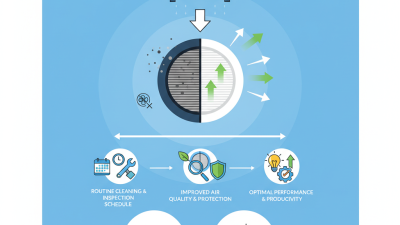
These filters also reduce the need for extensive cleaning and maintenance. Accumulated dust and debris can affect equipment performance. By utilizing effective floor filters, businesses can extend the lifespan of their spray booths. Cleaner booths minimize the risk of paint defects and improve finish quality. It’s essential to choose the right filter for specific applications, ensuring maximum efficiency.
Despite these advantages, not all filters are created equal. Some may be insufficient for heavy-duty use. Regular assessments of filter performance are necessary to avoid subpar results. Choosing a filter based on specific needs can enhance air quality. Continuous monitoring and adjustments can make a significant difference in both productivity and safety levels in the workspace.
Types of Spray Booth Floor Filters Available on the Market
When it comes to spray booth floor filters, choosing the right type is crucial. Various options are available on the market, each serving different needs. Common types include fiberglass filters, pleated filters, and sponge filters. Each has its advantages based on the specific requirements of the spray booth environment.
Fiberglass filters are often the most economical choice. They effectively trap larger particles. However, they may require more frequent replacements, especially in high-volume settings. Pleated filters, on the other hand, offer a larger surface area. This design allows them to capture smaller particles. Studies suggest pleated filters can capture up to 30% more contaminants than standard fiberglass options.
Sponge filters are gaining traction due to their efficiency in capturing overspray. They are washable and reusable, which appeals to sustainability-focused operations. Yet, their initial costs can be higher than traditional filters. The choice of filter affects not just air quality, but also the overall operation costs. Selecting the wrong type could result in increased maintenance needs and poor air filtration, which may harm both equipment and personnel's health. Operators should evaluate their specific needs and filter lifecycle to enhance efficiency and air quality.
Top 10 Spray Booth Floor Filter Options for Efficient Air Quality
| Filter Type |
Efficiency (%) |
Material |
Application |
Size (inches) |
| Fiberglass Filter |
85 |
Fiberglass |
Auto Paint Spraying |
20 x 20 |
| Polyester Filter |
90 |
Polyester |
Industrial Coatings |
24 x 24 |
| Paper Filter |
75 |
Paper |
Light Coatings |
18 x 18 |
| Activated Carbon Filter |
98 |
Carbon |
Odor Control |
30 x 30 |
| HEPA Filter |
99.97 |
Fiberglass |
Fine Particles |
24 x 48 |
| Electrostatic Filter |
95 |
Synthetic |
Heavy Duty |
30 x 36 |
| Metal Mesh Filter |
85 |
Metal |
Reusability |
36 x 36 |
| Zinc Coated Filter |
80 |
Zinc Alloy |
Corrosion Resistance |
24 x 36 |
| Washable Filter |
90 |
Synthetic Fiber |
Cost-Effective |
18 x 24 |
| High-Flow Filter |
95 |
Synthetic |
High Volume Spraying |
30 x 48 |
Key Features to Consider When Choosing Floor Filters
When selecting floor filters for spray booths, certain key features are essential to ensure optimal air quality. One critical aspect is the filter material. Options like fiberglass and polypropylene are popular due to their effective particulate capture rates. In fact, research shows that high-efficiency filters can remove up to 99% of airborne particles. This significantly reduces contaminants, helping to maintain a cleaner environment.
Another important consideration is the filter's airflow resistance. Filters with low resistance promote better air circulation, enhancing the overall efficiency of your spray booth. According to industry studies, adequate airflow can reduce drying times and improve finish quality. Proper airflow design is crucial; a mismatch between airflow and filtration can lead to performance issues. Regular monitoring and adjustments may be necessary.
Finally, the filter's disposal and maintenance need attention. Many users overlook these aspects. Filters require regular replacement to function effectively. A study indicated that neglecting maintenance could increase operational costs. Users should evaluate their specific needs carefully to select the best option. Understanding these features can significantly impact air quality and operational efficiency in spray booths.
Top 10 Spray Booth Floor Filters: Features and Comparisons
When selecting spray booth floor filters, consider several critical features. The filter’s material plays a significant role in its effectiveness. High-efficiency particulate air (HEPA) filters can capture fine particles, while fiberglass options might be more affordable but less effective. The size and thickness of the filter impact both airflow and filtration capability. A thicker filter can trap more contaminants, but it might also restrict airflow, requiring more frequent changes.
Another aspect to evaluate is the filter's longevity. Some filters are designed to be more durable and last longer under heavy use. Frequent replacements can become costly and time-consuming. Monitoring the airflow can also provide insights into filter condition. If airflow decreases significantly, it may indicate that the filter is nearing saturation. Regular checks can help maintain efficiency.
Finally, compatibility matters. Ensure that the chosen filters fit your specific booth. Ill-fitting filters can allow contaminants to escape, undermining your efforts in maintaining air quality. In practice, choosing the right filter blends science and a bit of trial and error. Engaging with experienced professionals can provide valuable insights into making the best choice for your unique needs.
Top 10 Spray Booth Floor Filter Performance Comparison
Maintenance Tips for Maximizing Filter Efficiency in Spray Booths
In spray booths, maintaining filter efficiency is critical for ensuring air quality. Research shows that improper maintenance can reduce filter performance by up to 30%. Regular checks and replacements are vital. Filters should ideally be inspected weekly, with major changes happening monthly.
Cleaning routines can significantly extend filter life. Dust and debris build-up affects airflow. A simple vacuum can help eliminate this excess buildup. Data indicates that proper cleaning can enhance filter lifespan by an estimated 25%. However, operators often overlook this, leading to increased costs and health risks.
Monitoring airflow pressure is another key aspect. Pressure drops can signify a clogged filter. Ignoring this can cause hazardous airborne particles to escape the booth. Effective monitoring tools can help visualize airflow trends, allowing for timely interventions. If pressure differences exceed recommended thresholds, immediate action is required to protect worker safety and maintain regulatory compliance.