Leave Your Message

Why Choose an Industrial HEPA Filter for Your Facility?

Industrial facilities face a changing mix of airborne dust, fibers, powders, and other process particles. An Industrial Hepa Filter can serve as a final filtration stage when cleaner supply or recirculated air is important. Its value depends on more than the filter media. Airflow, housing design, sealing, and maintenance all affect real-world performance.

The right choice starts with the process. A packaging line may need protection from fine product dust, while a laboratory or electronics area may have different cleanliness targets. Check the required airflow and the system’s pressure limits before comparing models. A filter that is too restrictive can reduce airflow or increase the load on fans. That trade-off is real. Small gaps matter.

Reliable selection also calls for clear documentation. Review the filter’s test rating, operating limits, dimensions, and replacement guidance, then confirm they match the facility’s requirements. Track pressure drop after installation and inspect seals during routine maintenance. These steps help teams spot loading or bypass before it becomes a larger problem. Still, no filter fixes poor housekeeping or an unsuitable ventilation design. That part is easy to overlook. This article explores why industrial HEPA filtration may fit a facility, what to assess before purchasing, and which practical details deserve a closer look. The goal is not to promise perfect air, but to support a sound decision grounded in the site’s actual conditions.
Why Choose an Industrial HEPA Filter for Your Facility?

What an Industrial HEPA Filter Is

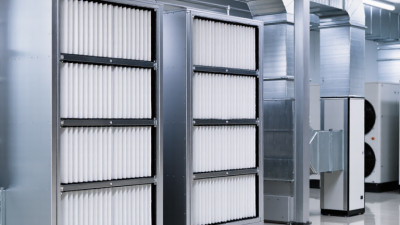
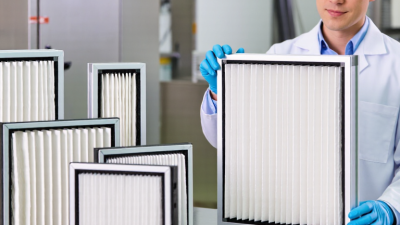
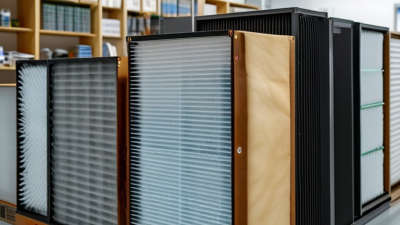
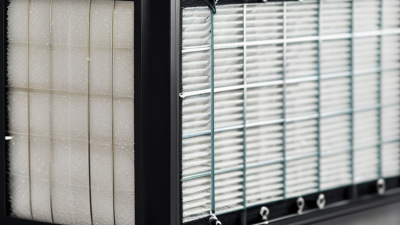
An industrial HEPA filter is a high-efficiency particulate air filter built to capture fine airborne particles in demanding environments. It is not a fan or a complete air-cleaning system. It is a filter element, typically made from tightly folded fibrous media and fitted into a frame with sealed edges. Air passes through the media; particles are captured through mechanisms including interception, impaction, and diffusion.

The U.S. Department of Energy’s commonly cited HEPA criterion is at least 99.97% efficiency for particles 0.3 micrometers in diameter. That figure is a test benchmark, not a promise that every installation performs identically. ISO 29463 and EN 1822 classify filters using tests that account for the most penetrating particle size. Check which standard applies to the filter and how its performance is verified. Small details matter.

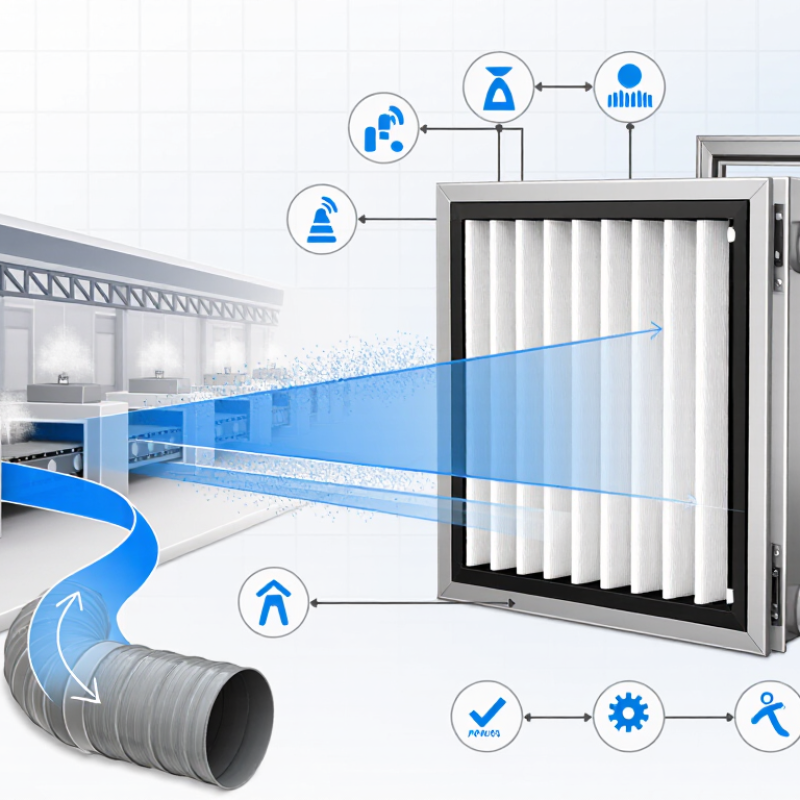
On a factory floor, a filter may sit inside a housing above a clean assembly area or near a process enclosure. Airflow, gasket condition, and installation quality affect real-world performance. A poorly seated filter can allow air to bypass the media. Dust loading also raises resistance, so operators should track pressure drop and follow a documented inspection schedule. There is a limitation worth admitting: HEPA media targets particles, not every gas or vapor. Selecting one without checking the contaminant and airflow needs is an easy mistake.
How Industrial HEPA Filters Capture Airborne Particles

Why Choose an Industrial HEPA Filter for Your Facility?
How Industrial HEPA Filters Capture Airborne Particles

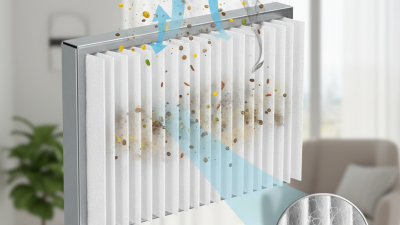
Industrial HEPA filters capture airborne particles through a dense web of fine fibers. Air does not pass through a simple screen; particles travel with the airflow around the fibers. Some collide with fibers, while others are intercepted or drift into them through diffusion. These mechanisms help collect dust, spores, and fine process aerosols. Actual performance depends on the filter grade and the full installation, not the label alone. A poorly sealed frame can let contaminated air bypass the filter media.

Tips: Check seals and pressure readings during routine inspections. Record changes over time. Replace filters according to operating conditions and manufacturer guidance, not appearance alone. A filter may look clean while airflow is already restricted.

In a working facility, dust loading, humidity, and changing airflow all affect performance. Rising pressure drop can signal that the filter is becoming loaded, though the system should be assessed before replacement. HEPA filtration is one part of air quality control; suitable airflow and regular maintenance matter too. It is not magic. Even a well-rated filter can underperform when installation or upkeep is overlooked.

Where Facilities Use Industrial HEPA Filters

Industrial HEPA filters are used where airborne particles can affect people, products, or sensitive equipment. In hospitals, they may serve operating rooms, isolation spaces, and protective environments, depending on the ventilation design. Research laboratories use them to help control fine particles around work areas. The right setup matters. A filter alone cannot correct poor airflow or a leaking housing.

Manufacturing facilities often install HEPA filtration in cleanrooms for electronics, medical devices, and pharmaceutical production. Even a small dust particle can interfere with delicate assembly or contaminate a controlled process. Food and beverage plants may use HEPA-filtered air in selected high-care zones, especially near exposed products. Not every room needs one. A site assessment should identify the particle source, required cleanliness level, and likely airflow demand.

These filters also appear in specialty workshops and testing spaces where fine dust must be controlled. Operators should check pressure readings, seals, and filter condition on a planned schedule. A rising pressure drop can signal loading, while a poor seal may let air bypass the media. Replacement timing is not always obvious. That is one part facilities sometimes underestimate. HEPA filtration works best as part of a maintained system, with suitable prefiltration and airflow checks.

Why Choose an Industrial HEPA Filter for Your Facility? — Where Facilities Use Industrial HEPA Filters
Facility or Area Typical Application Airborne Particles of Concern Why HEPA Filtration May Be Used Common Installation Point
Hospitals and healthcare facilities Air cleaning in selected patient-care and support areas, including isolation rooms and procedure spaces, as specified by the facility design. Dust, lint, and particle-associated microorganisms. High-efficiency particle removal can support indoor air-quality and infection-control strategies when combined with appropriate ventilation and operating procedures. Central air-handling systems, terminal units, or portable air cleaners, depending on the room and design.
Pharmaceutical and biotechnology manufacturing Controlled environments used for manufacturing, preparation, or handling of sensitive products. Fine particles that could contaminate products, equipment, or controlled work areas. Helps maintain particle-controlled conditions as part of a validated cleanroom ventilation system. Supply-air systems, cleanroom ceiling modules, or process enclosures.
Semiconductor and electronics production Cleanrooms and work areas where small airborne particles can affect sensitive components or processes. Airborne dust and other particles that may settle on surfaces or products. Supports stringent particle-control requirements; filtration selection depends on the cleanroom classification and process needs. Fan-filter units, ceiling grids, or dedicated cleanroom air systems.
Food and beverage processing Selected high-care production, packaging, or ingredient-handling areas. Ambient dust, fibers, and other airborne particles. Can help reduce particle levels in sensitive areas when integrated with hygienic design, sanitation, and suitable pressure control. Air-handling units or local supply-air systems serving designated production zones.
Laboratories Research, testing, or sample-handling areas with defined air-cleanliness requirements. Dust and particles generated by people, materials, or laboratory activities. Provides high-efficiency particle filtration for applications that require controlled air; the required system depends on the hazard assessment and room function. Room ventilation systems, clean benches, or compatible equipment enclosures.
Museums, archives, and collections storage Storage and display areas for sensitive documents, artifacts, and collections. Dust and fine particles that can accumulate on surfaces. Can reduce airborne particulate loading and support collection-preservation measures alongside humidity and temperature control. Building air-handling systems or dedicated collection-storage units.
Industrial process areas Local air cleaning for processes that generate fine particles, subject to a process and safety review. Fine process dust or other airborne particulates compatible with the selected filter system. May be appropriate where high-efficiency particle capture is required; combustible, corrosive, or high-load dusts need specialized system design. Process exhaust or recirculating filtration equipment designed for the specific contaminant and operating conditions.

Key Benefits for Facility Air Quality and Operations

Facility air quality affects the people, equipment, and processes inside a building. An appropriately specified industrial HEPA filter can capture fine airborne particles before they circulate through work areas. That may help reduce particle buildup on sensitive equipment and support cleaner conditions in production or laboratory spaces.

Dust tells a story.

The benefits depend on more than the filter media. A well-seated gasket and a properly sealed housing help prevent air from slipping around the filter. Staff can monitor pressure readings and inspect seals during scheduled maintenance. Rising pressure may signal loading, but airflow problems can also come from a restricted duct or a struggling fan.

That distinction matters.

Operational planning is part of air quality. A filter with excessive resistance can increase fan workload, so facility teams should consider airflow needs, system capacity, and replacement intervals together.

No filter solves every air problem.

Humidity, ventilation design, and particle sources still matter, and a HEPA unit may not address gases or odors. It is easy to focus on the filter and overlook the rest of the system. Reliable performance comes from checking the whole airflow path and keeping clear maintenance records.

How to Select and Maintain an Industrial HEPA Filter

Why Choose an Industrial HEPA Filter for Your Facility?

How to Select and Maintain an Industrial HEPA Filter

Selecting an industrial HEPA filter starts with the contaminant, airflow, and operating conditions. The U.S. EPA describes HEPA filters as capturing at least 99.97% of particles at 0.3 microns under specified test conditions. That benchmark matters, but it does not guarantee a suitable fit in every system. Check the required airflow, filter dimensions, temperature, humidity, and acceptable pressure drop. A filter that captures particles well but restricts airflow can disrupt ventilation. Small details matter.

For maintenance, record pressure readings when a clean filter is installed, then compare them during routine inspections. Follow the system and filter manufacturer’s replacement limits; a fixed calendar schedule may waste filter life or miss a problem. Inspect seals and frames for gaps, since air can bypass the filter media. Keep service records, including readings and visible damage. It is easy to focus only on the filter itself, but the housing and installation deserve equal attention.

Tips: Use a calibrated differential-pressure gauge and log readings consistently. Replace a filter when it reaches its specified pressure limit, is damaged, or no longer supports required airflow. Avoid handling used media roughly; dust can become airborne. These checks help, though they cannot replace a site-specific assessment.