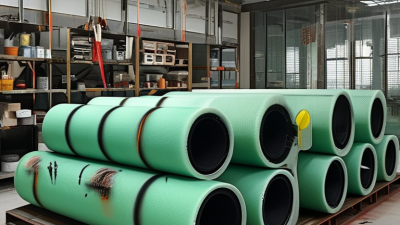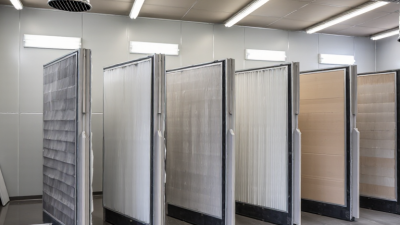
Choosing the right Paint Booth Filter Wall in 2026 requires more than comparing prices and filter sizes. The correct system must match your coating process, booth dimensions, airflow targets, and maintenance routine. A wall designed for light finishing may struggle with heavy overspray. That assumption fails.
In practical booth evaluations, filter loading often reveals the real performance story. A clean filter can provide stable airflow, while a saturated panel increases pressure drop and reduces capture efficiency. Watch the gauge. Ask how frequently operators replace filters during normal production. Check whether the media captures your paint type without restricting ventilation too quickly. Details matter.
Reliable selection also depends on manufacturer data, verified specifications, and local workplace requirements. Look for clear information about airflow capacity, filter efficiency, pressure drop, dimensions, and replacement availability. A reputable supplier should explain its testing methods and recommend suitable media for your application. Be cautious when claims sound universal. Booth conditions vary widely.
The best choice balances protection, operating cost, worker visibility, and consistent finish quality. It should install securely and allow quick, clean filter changes. However, no filter wall solves poor booth design or neglected maintenance. That is easy to overlook. Review your current overspray pattern, inspect the exhaust path, and record filter life before deciding. A careful assessment may challenge your first choice, but it can prevent expensive performance problems later.
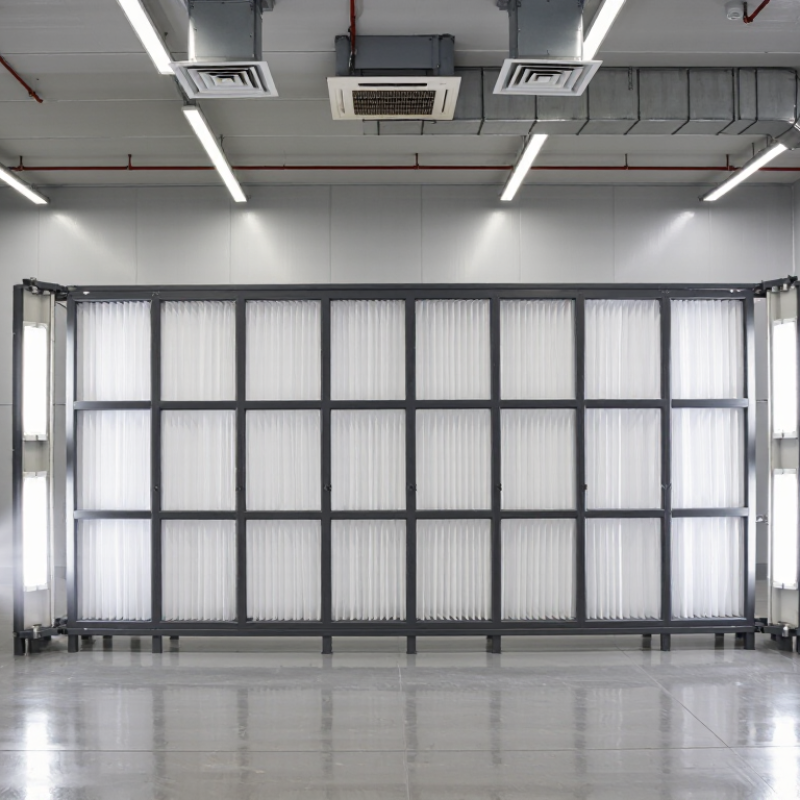
A paint booth filter wall controls overspray before contaminated air reaches the exhaust system. It also protects workers, equipment, and nearby surfaces from airborne coating particles. OSHA’s 29 CFR 1910.94(c) identifies 100 feet per minute as a typical minimum face velocity for many open-face spray booths. That figure matters, but it cannot replace proper filter selection.
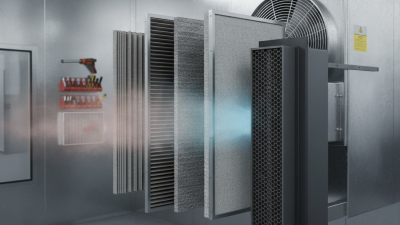
A filter wall usually includes a support frame, pre-filter, primary overspray filter, and exhaust plenum. The front layer captures larger droplets first. The deeper media holds finer particles and reduces loading on fans and ducts. The U.S. EPA’s Air Pollution Control Cost Manual explains that pressure drop increases as filters collect particulate matter. Operators should therefore monitor airflow and differential pressure, not rely on appearance alone.
Filter efficiency, paint chemistry, airflow volume, and replacement access must match the process. Solventborne coatings may load media differently from waterborne coatings. High-solid materials can create rapid surface buildup. A practical check includes visible paint distribution, filter seating, and fan performance. Small leaks matter.
This part is often overlooked.
I have seen specifications focus heavily on initial efficiency. That can be misleading. A highly efficient filter with excessive resistance may reduce booth performance and increase energy use. NFPA 33 also emphasizes ventilation, housekeeping, and combustible residue control around spray operations. The filter wall is not merely a disposable panel. It is part of the booth’s airflow and contamination-control system.
How to Choose the Right Paint Booth Filter Wall
Assessing a paint booth filter wall starts with airflow, not filter price. Measure the booth’s face velocity with the doors closed and the exhaust system running. Compare readings across the entire opening. Uneven velocity often reveals blocked filters, leaking panels, or poor duct balance. Small leaks matter.
A stable airflow pattern should capture overspray without pulling coating away from the workpiece. Check the filter wall’s pressure drop using a differential gauge. Record the initial reading, then monitor it during daily production. Rising pressure indicates loading and reduced exhaust capacity. A qualified ventilation professional should verify fan performance, makeup air, and hazardous-area requirements.
Filter selection depends on coating type, particle size, application rate, and cleaning schedule. Coarse prefilters may protect downstream filters, while finer stages can improve capture. However, excessive resistance can overload the fan and disturb spray quality. I have found that real production data is more useful than a single catalog rating. Test the wall under normal spraying conditions, including the largest expected workpiece. A perfect calculation is rarely enough. Operators may open doors, remove filters, or delay maintenance when the system feels restrictive. Design for those habits, then correct them through clear pressure readings and practical inspection intervals.
2026 How to Choose the Right Paint Booth Filter Wall
Choosing the correct filter media starts with the coating, not the booth size. Water-based coatings often need media that handles moisture without collapsing. Solvent-based coatings may demand stronger, layered filtration for heavier overspray. Powder coatings require a different capture approach because dry particles behave differently. Always check the coating’s technical data and safety information before selecting media.
Workload matters just as much. A small repair area may use a fine, high-efficiency filter, while a busy production booth can overload it within days. Watch the pressure gauge during spraying. Rising pressure signals restricted airflow, even when the filter surface looks reasonably clean. In field inspections, this simple check often prevents uneven finishes and excessive fan strain. Still, pressure alone is not enough. Poor sealing around the frame can mislead your readings.
Tips: Match media depth to overspray volume. Inspect the first filter layer each shift. Record pressure changes weekly. Replace filters when airflow drops, not only on a fixed calendar. Test your plan during peak production, because a filter that performs well on Monday may struggle by Friday. Some recommendations may need revision after real-world use. That is not failure; it is useful evidence.
How to Choose the Right Paint Booth Filter Wall
Comparing Filter Wall Sizes, Designs, and Installation Options
Choosing the right filter wall starts with airflow, not appearance. Measure booth width, height, and expected coating volume before selecting a filter area. A wall that is too small can restrict airflow and load filters quickly. An oversized wall may waste space and increase replacement costs. Measure twice.
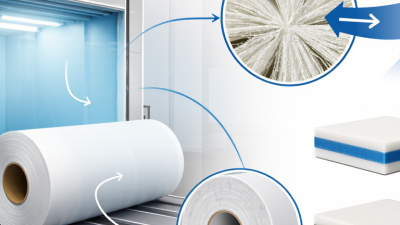
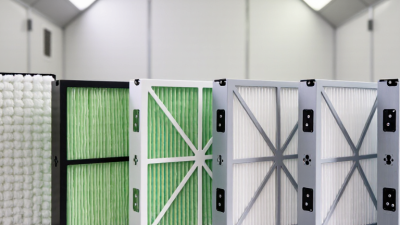
Flat filter walls suit compact booths and simple layouts. They are easy to inspect, but their filter depth may limit overspray capture. Multi-stage designs provide stronger separation by using primary and secondary filtration. They usually need more space and careful access for maintenance. Replaceable roll media can reduce handling time, although storage and tension control require attention.
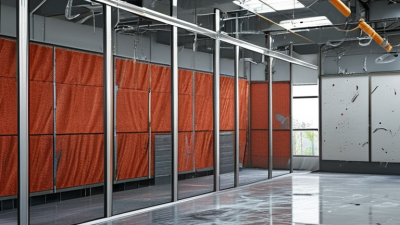
Installation conditions often decide the final design. Wall-mounted systems save floor space, while freestanding units work well in temporary or changing production areas. Modular sections allow future expansion, but poorly aligned joints can create air leakage. Check the frame, seals, lighting clearance, and service access before installation. A technician should verify airflow after assembly, using measured readings rather than relying on sound or visual spray patterns. That small check matters.
In real workshops, the most expensive mistake is often choosing a wall that fits the room but not the workload. Consider coating type, daily operating hours, filter replacement frequency, and cleaning routines. A practical design should let operators remove saturated filters without moving equipment. Perfect calculations are uncommon. Recheck the assumptions after the first production week.
| Filter Wall Size | Approx. Face Area | Typical Airflow Range* | Common Filter Arrangement | Best-Suited Applications | Space Requirement | Recommended Installation | Maintenance Considerations |
|---|---|---|---|---|---|---|---|
| 4 ft × 4 ft (1.2 m × 1.2 m) |
16 sq. ft. (1.5 m²) |
1,600–2,400 CFM (2,720–4,080 m³/h) |
Single-stage disposable panel or roll media | Small parts, touch-up work, hobby use, and low-volume spray operations | Low footprint; suitable for compact work areas | Wall-mounted or compact freestanding frame | Frequent filter inspection is usually required because the small filter area loads quickly |
| 4 ft × 8 ft (1.2 m × 2.4 m) |
32 sq. ft. (3.0 m²) |
3,200–4,800 CFM (5,440–8,160 m³/h) |
Two-stage panel filters or pleated intake and exhaust filters | Automotive panels, furniture components, cabinets, and medium-size parts | Moderate wall depth and service clearance | Booth-integrated wall, modular wall, or reinforced freestanding frame | Two-stage filtration extends final-filter life but requires access to both stages |
| 5 ft × 10 ft (1.5 m × 3.0 m) |
50 sq. ft. (4.6 m²) |
5,000–7,500 CFM (8,500–12,750 m³/h) |
Angled or accordion-style filters with optional secondary final filters | Regular production painting, larger vehicle parts, metalwork, and wood finishing | Requires clear front access and dedicated exhaust-routing space | Modular booth-integrated installation is generally the most practical | Angled media increases loading capacity, while pressure-drop checks help identify replacement timing |
| 6 ft × 12 ft (1.8 m × 3.7 m) |
72 sq. ft. (6.7 m²) |
7,200–10,800 CFM (12,240–18,360 m³/h) |
Multi-panel dry filter wall with staged filtration | High-volume finishing, large assemblies, commercial vehicle parts, and continuous production | Large equipment footprint with dedicated access and exhaust space | Engineered booth-integrated or modular installation with structural support | Use segmented filter sections so loaded media can be replaced without shutting down the entire wall |
| Custom or Multi-Bay | More than 72 sq. ft. (6.7 m²) |
Calculated from required face area and target velocity | Multiple filter modules, staged filtration, and independently serviceable sections | Large industrial components, multiple operators, and high-throughput finishing lines | Requires a documented layout, service aisle, and coordinated exhaust design | Site-engineered modular system with structural, electrical, and exhaust coordination | Use differential-pressure monitoring, access panels, and a documented replacement schedule |
2026 How to Choose the Right Paint Booth Filter Wall
Evaluating Maintenance Costs, Safety Standards, and Service Life
A paint booth filter wall should be judged by more than its purchase price. Its real cost includes filter replacement, labor, disposal, energy use, and unexpected downtime. Track pressure readings weekly. A rising pressure drop usually signals loading media and reduced airflow. That small gauge can reveal a large maintenance problem.
Choose filters that match the booth’s airflow, coating type, and expected overspray volume. Check applicable fire, ventilation, and workplace safety requirements before installation. The filter wall should not obstruct emergency access or interfere with airflow balance. Filter frames must fit tightly, because visible gaps can allow overspray to bypass the media. Clean installation matters.
Service life depends on paint solids, spray technique, humidity, and inspection habits. In busy operations, a filter may need replacement sooner than its advertised interval. That estimate is often too optimistic. Keep a simple log with installation dates, pressure readings, and replacement reasons. It makes maintenance decisions more reliable. Do not wait for heavy buildup. Saturated filters can increase fan load and create unsafe operating conditions.
A longer-lasting filter is not always the better choice. If it costs more energy to operate, savings may disappear. Compare total operating costs over twelve months. Ask for test data, disposal guidance, and clear performance limits. There is no perfect filter wall. Careful measurement usually beats confident guessing.
Evaluating maintenance costs, safety standards, and service life
OSHA 29 CFR 1910.94(a) specifies minimum average air-velocity benchmarks for common spray-booth configurations. Verify the applicable requirement for the booth design and coating process.
Monitor airflow and filter pressure drop routinely. Replace filters when the approved pressure-drop limit is reached or when airflow falls below the required operating level.
Filter life is not a universal number of months. It depends on paint solids, overspray loading, operating hours, humidity, cleaning practices, and the selected filter media.
Reference: OSHA 29 CFR 1910.94(a)(2)(iii), Ventilation for spray-finishing operations. Always confirm the current regulation and the filter manufacturer’s technical data before selection.