How to Choose the Best Spray Booth Filter Material for Your Needs?
Choosing the right Spray Booth Filter Material is crucial for effective air quality management. An appropriate filter not only captures harmful particles but also improves painting results. With numerous options available, making a selection can be daunting.
Consider the type of particles you want to filter. Some materials excel at capturing large debris, while others target finer particles. Evaluate the specific needs of your spray booth. Which materials work best under your operating conditions?
Take time to research and compare different filter options. Reflect on your experiences with previous filters. Did they meet your expectations? What were their shortcomings? Finding the best Spray Booth Filter Material may require trial and error. Always prioritize reliability and effectiveness in your selection process.
Understanding the Role of Spray Booth Filters in Air Quality
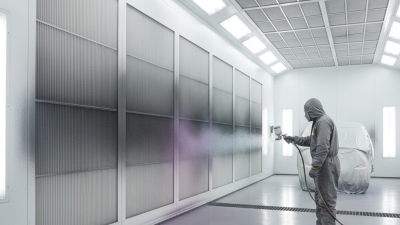
Spray booth filters play a crucial role in maintaining air quality. They trap harmful particles and fumes generated during spraying processes. As a result, they protect both workers and the environment. The filters also help keep the workspace clean. However, not all filters are created equal. Choosing the right material is vital for effective filtration.
Understanding how these filters work is essential. High-efficiency filters can capture smaller particles, while coarser ones handle larger debris. The thickness and density of the filter material significantly affect its performance. Users must consider the type of spray material used, too. Some filters perform poorly with certain substances. Balancing filter life and air quality is challenging.
It's important to regularly inspect and replace filters. Neglecting this task can lead to reduced air quality and hazardous conditions. There is always room for improvement in filter selections. Investigating various materials can help find the best fit for specific needs. Engaging in discussions with experts can shed light on this complex topic.
Comparison of Spray Booth Filter Efficiency
The chart below illustrates the efficiency ratings of various spray booth filter materials in terms of particulate matter capture percentage. Higher efficiency ratings indicate better performance in maintaining air quality within spray booths.
Types of Spray Booth Filter Materials: An Overview
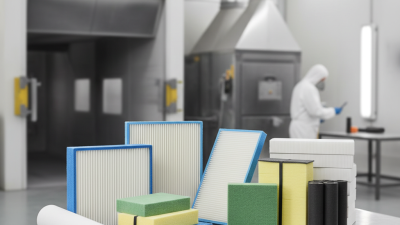
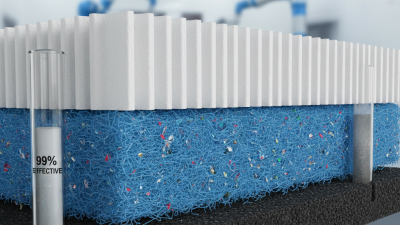
When selecting spray booth filter materials, understanding your options is essential. Various types exist, each designed for specific applications. Common materials include fiberglass, polyester, and foam. Fiberglass filters are often used for their durability and efficiency. They capture particles effectively but can be less breathable. Polyester filters, on the other hand, provide a good balance of filtration and airflow. Foam filters are ideal for capturing larger particles but may not be as effective on smaller ones.
Tips for choosing the right material include considering the specific pollutants in your workspace. Understand the types of spray materials you frequently use. This knowledge helps in selecting the most efficient filter for your needs. Monitor the performance of your chosen filter regularly. A filter that is too restrictive can hinder airflow, leading to inefficiencies.
Experimenting with filter types can yield surprising results. Sometimes a less popular option might work better for your unique situation. Consider conducting tests with different materials to see which one provides the best balance of airflow and particulate capture. Don’t overlook the importance of maintenance. Regular cleaning and replacements can enhance the lifespan and performance of your chosen filter.
How to Choose the Best Spray Booth Filter Material for Your Needs?
| Filter Type |
Material |
Efficiency |
Application |
Lifespan |
| Paint Stop |
Polyester |
High |
Spray Booth |
1-2 weeks |
| Pre-Filters |
Fiberglass |
Medium |
General Filtration |
2-4 weeks |
| Final Filters |
Activated Carbon |
Very High |
Odor Control |
4-6 weeks |
| HEPA Filters |
Glass Fiber |
Ultra High |
Fine Particulate Removal |
6-12 months |
| Electrostatic Filters |
Synthetic Fiber |
High |
Air Quality Improvement |
3-5 months |
Factors to Consider When Choosing Filter Materials
Choosing the right spray booth filter material is crucial for effective air quality management. Consider the specific applications your booth will handle. Different materials perform better under varying conditions, such as the type of paint used or the volume of mist generated. A fine particulate filter may be essential for certain coatings, while a coarse option might suffice for less hazardous materials.
When selecting a filter, evaluate the material's efficiency rating. High-efficiency filters capture smaller particles more effectively. However, that often comes with a higher pressure drop, which can affect airflow and exhaust rates. Balancing efficiency and airflow is essential for optimal performance.
**Tips:** Always assess the filter's lifespan. A longer-lasting filter can save costs over time but may not perform at peak efficiency throughout its life. Regular maintenance is vital. Checking your filter regularly can prevent unexpected downtimes and poor air quality. Consider using a combination of filter types to optimize performance for varied applications. This multifaceted approach often leads to better overall results, although it can complicate management efforts.
Evaluating Filter Efficiency and Performance
When selecting spray booth filter materials, efficiency plays a crucial role. High-efficiency particulate air (HEPA) filters capture at least 99.97% of particles, which enhances air quality. According to industry standards, proper filtration can improve paint application and minimize contamination. A study by the Environmental Protection Agency shows that airborne particles can significantly affect paint performance.
Filter performance is often measured in terms of pressure drop and airflow. A lower pressure drop means that the filter can maintain optimal airflow. If the filter is too restrictive, it reduces efficiency. Many users do not consider the balance between efficiency and airflow. Finding the right material requires assessing your specific application needs. In some cases, polyester filters may offer better preliminary filtration, while fiberglass options might excel in certain environments.
Calculating usage life is essential. Some filters might clog quickly, leading to higher replacement costs. The value of a filter isn't only in its upfront cost but also in its longevity and impact on maintenance. User experience reports indicate that some filters, despite high initial ratings, may underperform in practice. Experimenting with different materials can lead to valuable insights, helping to refine your filtration strategy over time.
Maintenance and Replacement of Spray Booth Filters
When it comes to maintaining spray booth filters, regular inspection is crucial. Dirty filters can impede airflow, leading to inefficient spray applications. According to industry reports, approximately 25% of paint defects can be traced back to inadequate filtration. This emphasizes the need for consistent maintenance. It's recommended to check filters at least every two weeks, especially in high-usage environments.
Replacement of spray booth filters is equally important. Depending on the type of filter and usage, it may need changing every month or even weekly. Studies indicate that filters can lose up to 50% of their efficiency after just 30 days of use. If you notice a drop in airflow, it's time for a replacement. Some filters come with indicators that signal when they need changing, making this process simpler for operators. Ignoring filter replacement can lead to higher operational costs and increased emissions, which are both areas that require careful attention.
Balancing the costs of maintenance and the quality of output can be challenging. Operators might hesitate to invest in premium filters, thinking it will save money. However, this mindset may cost more in the long run due to poor spray results and added waste. In practice, prioritizing filter health enhances overall booth efficiency and product quality.