Top Industrial Paint Booth Filters for Global Buyers?
In the world of industrial manufacturing, the significance of **Industrial Paint Booth Filters** cannot be overstated. These filters are crucial for maintaining air quality in paint booths, a vital aspect of ensuring worker safety and product integrity. According to recent market analyses, the global industrial paint booth filter market is projected to witness a growth rate of over 5% annually until 2028. This surge highlights the industry's increasing focus on environmental regulations and worker protection.
Many manufacturers face challenges in selecting the right filters. There are various types, including HEPA, activated carbon, and disposable filters. Each type has unique benefits and limitations. For instance, HEPA filters can capture over 99.97% of particles, but may be cost-prohibitive for small businesses. Understanding these trade-offs is essential for buyers striving for a balance between performance and budget.
As companies aim to enhance productivity, the choice of industrial paint booth filters becomes pivotal. Investment in high-quality filters often results in fewer maintenance issues and enhanced air quality. However, many organizations still overlook the importance of regular maintenance schedules. Reflecting on these factors can lead to more informed decisions and ultimately a safer working environment.
Overview of Industrial Paint Booth Filters
Industrial paint booth filters play a crucial role in maintaining air quality in manufacturing environments. They capture harmful particulates, ensuring a safer workspace. According to a recent market analysis, global demand for high-efficiency paint booth filters is projected to grow by 6.5% annually. This highlights the increasing focus on safety and efficiency in various industries.
Selecting the right filter is vital. Key factors include filter type, efficiency rating, and airflow resistance. HEPA filters, for instance, can trap 99.97% of particles, improving air quality significantly. However, not all filters are created equal. Some may not meet the specific needs of different applications. A mismatch in filter performance can lead to costly downtime and decreased productivity.
Tips: Regular maintenance is essential. Check filters monthly to ensure optimal performance. Consider upgrading to advanced filtration systems. This may involve higher initial costs but can lead to long-term savings through improved efficiency. Always stay informed about industry standards and emerging technologies. This knowledge will guide better purchasing decisions and enhance overall operations.
Types of Filters Used in Paint Booths
In paint booths, filters play a crucial role in maintaining air quality and ensuring a safe working environment. Common types of filters used in paint booths include particulate filters, activated carbon filters, and electrostatic filters. Particulate filters capture dust and larger particles, crucial in preventing paint defects. Reports indicate that using high-efficiency particulate air (HEPA) filters can remove over 99.97% of particles as small as 0.3 microns.
Activated carbon filters excel in removing volatile organic compounds (VOCs) from the air. Studies show that these filters can significantly reduce harmful emissions, improving air quality for workers. Electrostatic filters are also popular. They use charged surfaces to attract and capture particles, offering a lower maintenance option. However, they require regular inspection to maintain efficiency.
Tips: Regular maintenance of filters is essential. Dirty filters can lead to poor air quality and increased operational costs. Don't forget to monitor the airflow and filter condition frequently. Always choose the right filter for your specific needs. Not all filters are created equally, and using an unsuitable filter can lead to issues.
Criteria for Selecting Paint Booth Filters
When selecting paint booth filters, multiple criteria are essential. Buyers should consider efficiency ratings first. High efficiency means better air quality. It impacts the final product's durability and finish. The filtration level needed often varies based on the specific application. Regular use of filters in industrial settings shows that better filters lead to fewer defects.
Another important aspect is compatibility. Filters must fit seamlessly into existing systems. A mismatch can lead to inefficiencies or shutdowns. Assessing the filter's material is crucial, too. Some materials last longer under specific conditions. This may also influence overall maintenance costs.
It’s vital to evaluate the filter's ease of installation and replacement as well. Complicated processes could lead to downtime or errors. A good filter should allow for simple servicing. Look for options that provide clear installation guidelines. Some products may have installation guides that are not helpful. Think about whether you want to invest in basic or advanced filters. Consider all these factors carefully to find the best fit for your needs.
Top Brands and Manufacturers in the Market
When selecting industrial paint booth filters, buyers need to focus on quality and reliability. There are various manufacturers in the market, each showcasing unique features. Some emphasize high filtration efficiency, while others promote durability. A solid filter should handle the specific paint types used in various applications. This ensures that the paint is applied evenly and prevents contamination.
Knowledge of the top brands can guide buyers in their selection. Reputable manufacturers often invest in research and development. They understand the challenges of different industries, such as automotive and aerospace. This expertise leads to filters that not only perform well but also meet safety and environmental standards. However, even established brands can have inconsistencies. It's essential to check user reviews and conduct thorough research.
Buyers might overlook the importance of compatibility with existing equipment. Filters may vary in size and design. Ensuring that a chosen filter fits your booth is crucial for optimal performance. Feedback from industry professionals can provide insights. Mistakes in filter selection can lead to costly downtime and unsatisfactory results. Balancing cost and quality is also a vital consideration that requires careful thought.
Top Industrial Paint Booth Filters Market Analysis
Maintenance and Replacement Tips for Paint Booth Filters
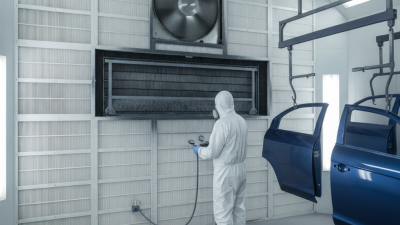
Maintaining paint booth filters is crucial for optimal performance. Regular cleaning and timely replacement can significantly enhance air quality and extend equipment life. Most filters should be inspected every few weeks. Check for dust buildup and potential clogs. A clean filter allows for effective airflow and prevents particles from contaminating painted surfaces.
Replacing filters at appropriate intervals is equally important. The lifespan depends on usage and environmental factors. If color consistency and fine finish matter, be proactive in changing filters. Ignoring filters can lead to defects, requiring more time and resources to rectify. Understanding this process is vital for a successful paint operation.
Many operators overlook proper maintenance. This can lead to expensive downtime and inefficiency. Dedicating time to routine checks can prevent costly issues. Reflecting on maintenance habits can improve performance and reliability in the long run. Investing in knowledge about filter maintenance pays off in enhanced results and reduced operational headaches.
Top Industrial Paint Booth Filters for Global Buyers - Maintenance and Replacement Tips for Paint Booth Filters
| Filter Type |
Efficiency Rating |
Replacement Frequency (Months) |
Maintenance Tips |
| Pre-Filter |
85% |
3-6 |
Clean regularly to prolong life. |
| HEPA Filter |
99.97% |
12-24 |
Replace when airflow drops significantly. |
| Activated Carbon Filter |
>90% |
6-12 |
Monitor odor levels; replace as needed. |
| Spray Booth Filter |
95% |
6-12 |
Check for saturation and clean accordingly. |
| Electrostatic Filter |
99% |
12-18 |
Regularly wash to maintain effectiveness. |